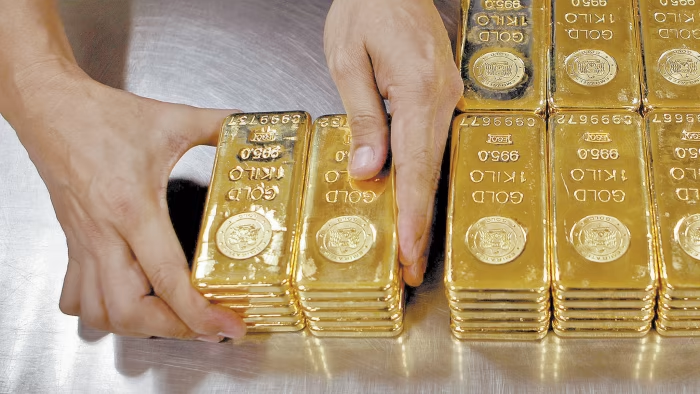
1kg Gold Price in Uganda Today 2026 – Rates, Trends & Where to Buy
1 kg Gold Price in Uganda Today: The current 1kg gold price in Uganda has risen significantly from prior levels, now standing at approximately UGX 599,000,000 for 24K purity as of late February 2026.
This equates to roughly USD 166,600, driven by global spot prices around $5,200–$5,280 per ounce and a USD/UGX exchange rate near 3,580–3,600
Prices reflect spot rates for pure 24K gold (99.9% purity), excluding dealer premiums, taxes, or making charges typically added for retail bullion bars or coins in Uganda.
Recent daily fluctuations show a high of UGX 603,853,929 on February 23 and a low around UGX 592 million earlier in the week, with a 1.3% weekly gain.
Local factors like UGX depreciation against USD amplify global trends, making Uganda’s rates competitive for export-oriented trading.
Uganda’s gold market is influenced by global benchmarks, including London and New York bullion rates, as well as local supply from mines and artisanal miners.
Investors and buyers should monitor these trends closely, as gold remains a stable hedge against inflation and currency volatility.
Trusted dealers, such as Gold Buyers Africa, offer verified, high-quality gold with transparent pricing, ensuring safe and profitable purchases.
For investors, understanding both current prices and market dynamics is essential before committing to a 1 kg gold purchase.
Accurate market tracking and verified suppliers help secure your investment while minimizing risks in Uganda’s gold trading environment.
Current 1kg Gold Price in Uganda
Current 1kg gold prices in Uganda have risen significantly from September 2025 levels, reflecting global trends and UGX exchange fluctuations as of late February 2026.
Live 1kg Gold Price Table Updated as of Febuary 2026)
| Date | 1kg Gold Price (UGX) | 1kg Gold Price (USD) | Trend (Weekly) |
|---|---|---|---|
| 27-Feb-2026 | 598,992,208 | 166,347 | +1.3% |
| 26-Feb-2026 | 599,817,058 | 166,576 | -0.1% |
| 25-Feb-2026 | 597,058,631 | 165,810 | +0.3% |
| 24-Feb-2026 | 592,485,558 | 164,540 | +1.1% |
| 23-Feb-2026 | 603,853,929 | 167,697 | -0.8% |
| 20-Feb-2026 | 591,326,641 | 164,218 | +1.3% |
| 19-Feb-2026 | 572,602,818 | 159,018 | +4.6% |
| 18-Feb-2026 | 570,268,978 | 158,370 | +5.0% |
Live Update (Feb 28, 2026): Approximately 611,395,000 UGX or 169,791 USD per 1kg, up from recent days amid market volatility.
Note: Trends indicate weekly price changes based on local and international market influences.
1kg Gold Price Comparison (as of Febuary 2026)
| Country | Price per 1kg (Local Currency) | Approximate USD Equivalent |
|---|---|---|
| Uganda | UGX 599,000,000 | ~$166,700 |
| USA | $166,695 | $166,695 |
| UK | £121,914 | ~$166,700 |
| Dubai (UAE) | AED 612,000 | ~$166,700 |
| South Africa | ZAR 2,649,865 | ~$166,300 |
| Ghana | GHS 1,808,000 | ~$166,700 |
| Kenya | KES 21,900,000 | ~$166,700 |
| Congo (DRC) | ~CDF 382,000,000 | ~$166,700 |
| Europe (Eurozone) | €139,521 | ~$166,700 |
Notes:
-
Currency Conversion: The USD equivalents are approximate and based on current exchange rates, which fluctuate regularly.
-
Market Variations: Gold prices can vary within countries due to factors like local demand, taxes, and dealer premiums.
-
Kenya & Europe: Prices for Kenya and the Eurozone are estimated based on available data and may vary.
Key Changes Since Sept 2025
Gold prices have risen sharply (~43% in USD terms) due to global demand, inflation hedging, and geopolitical factors, pushing the spot rate above $5,200 per ounce.
Local prices in Uganda and Africa reflect this surge plus currency fluctuations. Always verify with local dealers for premiums, taxes, or retail markups beyond spot prices.
Factors Affecting 1kg Gold Price in Uganda
The price of 1kg gold in Uganda is influenced by a combination of global and local dynamics that investors and buyers must carefully monitor.
1. Global Gold Market Trends:
International benchmarks, including the London Bullion Market and New York gold exchanges, heavily influence local pricing.
Fluctuations in global demand, investor sentiment, and macroeconomic indicators such as inflation or interest rates can cause significant changes in the price of gold.
2. Local Supply and Mining Activities:
Uganda’s gold market relies on both large-scale commercial mines and artisanal miners. Seasonal variations in production, local mining regulations, and logistical challenges in transporting gold can impact supply, thereby affecting prices.
3. Currency Fluctuations:
Since gold is priced internationally in USD, any change in the UGX/USD exchange rate directly affects the local cost of 1kg gold. A weakening shilling can raise the UGX price even if global gold remains stable.
4. Political and Economic Stability:
Government policies, taxes, import/export regulations, and economic stability play a crucial role in market confidence. Political uncertainty or sudden policy changes can increase volatility, leading to rapid price adjustments.
5. Demand from Investors and Traders:
Local demand from investors, jewelry manufacturers, and exporters also drives price movement. Increased purchasing activity during periods of economic uncertainty or festive seasons can push the price upward.
Understanding these five factors is essential for anyone planning to buy, sell, or invest in gold in Uganda, ensuring that decisions are informed, strategic, and aligned with market realities.

Where to Buy 1 kg of Gold in Uganda
When purchasing 1kg gold in Uganda, it is essential to choose trusted and verified sources to ensure both authenticity and value.
1. Engage Reputable Dealers:
Working with established dealers such as Gold Buyers Africa ensures access to verified, high-quality gold at transparent prices.
Reputable dealers often provide documentation, certification, and market-based pricing, which protects investors from counterfeit gold and fluctuating premiums.
2. Verify Authenticity and Avoid Scams:
Before committing to a purchase, buyers should insist on proper assay certificates, check the gold’s weight and purity, and confirm the dealer’s licensing and track record.
Avoiding unverified sources and street vendors reduces the risk of fraud and ensures legal compliance.
3. Online vs Physical Stores:
While physical stores allow hands-on inspection and immediate verification, online platforms offer convenience, access to live pricing, and competitive rates. Buyers must ensure that online dealers provide secure payment methods, transparent shipping, and verification guarantees.
4. Track Market Rates:
Comparing daily 1kg gold prices across multiple sources helps identify fair pricing and minimizes overpayment.
5. Consider Long-Term Investment Security:
Secure storage options, insurance, and trusted escrow services are recommended for large purchases such as 1 kg of gold, safeguarding the investment against theft or loss.
By following these five critical steps, investors and buyers in Uganda can purchase 1 kg of gold safely, profitably, and with full confidence in market authenticity.
1 kg Gold Investment Tips
Investing in 1kg gold in Uganda requires strategic planning to maximize returns while minimizing risks.
1. Long-Term Investment vs Short-Term Trading:
Investors must decide whether to hold gold for long-term wealth preservation or engage in short-term trading to capitalize on price fluctuations.
Long-term investment protects against inflation, currency devaluation, and economic uncertainty, while short-term trading demands close monitoring of global gold markets, currency trends, and local demand fluctuations.
2. Storing Gold Safely in Uganda:
Securing physical gold is critical for preserving its value. Investors should consider secure storage options such as bank vaults, licensed safes, or dealer-managed custody services.
Proper storage reduces the risk of theft, loss, or damage and ensures the gold retains its marketable condition.
3. Comparing Local vs International Prices:
Monitoring both local Ugandan rates and international benchmarks, such as London and New York bullion markets, allows investors to identify arbitrage opportunities and avoid overpaying.
Understanding price spreads and currency conversions is essential for making informed purchasing decisions.
4. Verify Dealer Credibility:
Only purchase from trusted dealers who provide certification and transparent pricing to avoid counterfeit gold.
5. Track Market Trends:
Regularly reviewing gold price trends, news, and economic indicators helps investors time purchases and sales for optimal returns.
By following these five investment strategies, buyers can ensure that their 1kg gold purchase in Uganda is both secure and profitable, aligning with personal financial goals and market realities.
Fees, Taxes, and Premiums When Buying 1 kg Gold
Buying 1 kg of gold isn’t just about the spot price — several additional costs can affect the total amount you pay. Understanding these hidden charges ensures you make informed, profitable investments.
1. Dealer Premiums
-
Most gold dealers charge a premium above the spot price to cover handling, storage, and business costs.
-
Premiums typically range from 1% to 5% of the gold’s value for large 1kg bars.
-
Branded or certified bars often carry higher premiums due to quality assurance.
2. Value Added Tax (VAT) and Local Taxes
-
Some countries, including Uganda, may impose VAT or sales tax on gold purchases.
-
VAT can range from 0% to 18% depending on the dealer or type of gold product (investment bars may be exempt in some regions).
-
Always confirm if the price quoted includes or excludes tax to avoid surprises.
3. Currency Conversion Fees
-
If you’re buying gold in foreign currency, banks or payment platforms often charge conversion fees or transaction charges.
-
Even small differences in exchange rates can add thousands of USD/UGX to the total cost for 1kg of gold.
4. Shipping and Insurance Costs
-
For online or international purchases, shipping is often insured to protect against loss or theft, adding 0.5% to 1% of the gold value.
-
Secure courier or vault delivery may increase the cost further.
5. Assay and Certification Fees
-
Certified gold bars may require official assaying, which can add an extra 0.2%–0.5% to the purchase price.
-
These fees guarantee the authenticity and purity of the gold, which is crucial for resale or export.
6. Storage Fees (Optional)
-
If you store gold in a vault or safe deposit, monthly or yearly fees apply.
-
Storage costs vary from 0.5% to 2% of the gold’s value annually, depending on security and location.
Pro Tip: Always ask for a full breakdown of the price when buying 1 kg gold. The spot price is just the starting point; factoring in all premiums and taxes ensures no unexpected costs and helps you maximize your investment returns.

Legal Requirements for Purchasing 1 kg of Gold in Uganda
Purchasing gold in Uganda involves adhering to specific legal and regulatory frameworks to ensure transparency, authenticity, and compliance with national laws.
Here’s what you need to know:
1. Verify the Seller’s Credentials
Before making a purchase, ensure that the seller possesses the necessary licenses and certifications:
-
Mineral Dealer’s License (MDL): This license is issued by the Directorate of Geological Survey and Mines (DGSM) and authorizes the holder to engage in the business of buying and selling minerals, including gold.
-
Tax Identification Number (TIN): A valid TIN issued by the Uganda Revenue Authority (URA) is required for all registered businesses.
-
Certificate of Analysis: This document verifies the purity and authenticity of the gold, typically provided by accredited assay laboratories.
2. Documentation and Agreements
Ensure all transactions are documented:
-
Purchase Agreement: A written contract detailing the terms of the sale, including price, quantity, and delivery terms.
-
Payment Receipts: Obtain official receipts for all payments made, which serve as proof of transaction.
3. Export and Movement Permits
If you plan to export the gold:
-
Export Permit: Required for shipping gold out of Uganda, issued by the Ministry of Energy and Mineral Development.
-
Movement Permit: Necessary for transporting gold within Uganda, ensuring traceability and compliance with mining regulations.
4. Compliance with Anti-Money Laundering Regulations
Engage only with dealers who comply with Uganda’s anti-money laundering laws:
-
AML Compliance: Dealers are required to implement measures to deter and detect money laundering and the financing of terrorism activities, as outlined by the Financial Intelligence Authority (FIA). Financial Intelligence Authority
5. Due Diligence
Conduct thorough due diligence:
-
Verify Authenticity: Ensure the gold is sourced legally and has proper documentation.
-
Check Licenses: Confirm that the seller holds all necessary licenses and certifications.
-
Consult Authorities: If in doubt, consult the Directorate of Geological Survey and Mines or the Uganda Revenue Authority for guidance.
Legal Requirements for Exporting Gold from Uganda
Exporting gold from Uganda involves a structured process governed by the Directorate of Geological Survey and Mines (DGSM) under the Ministry of Energy and Mineral Development.
Adhering to these legal requirements ensures compliance and facilitates smooth export transactions.
1. Obtain a Mineral Dealer’s License (MDL)
Before engaging in gold export activities, securing a valid MDL is mandatory. This license authorizes individuals or entities to purchase and export gold legally.
The application process includes:
-
Completed Application Form: Submit a fully filled application form as per DGSM guidelines.
-
Company Documents: Provide certified copies of the Certificate of Incorporation and Memorandum and Articles of Association.
-
Tax Clearance: Present a valid Tax Identification Number (TIN) and a tax clearance certificate from the Uganda Revenue Authority (URA).
-
Proof of Financial Resources: Demonstrate financial capacity to handle gold transactions.
-
Background Checks: Include certificates of good conduct for directors or shareholders.
-
Application Fees: Pay the statutory application fee, which varies depending on the type of mineral.
2. Register with the Mining Cadastre Portal
To streamline licensing and permit issuance, registration with the DGSM’s Mining Cadastre Portal is required. This online platform facilitates the application process for various permits, including export permits.
Required documents for registration include:
-
Completed Registration Form: Fill out the online registration form accurately.
-
Company Documents: Upload certified copies of incorporation documents and proof of ownership or lease of premises.
-
Identification Documents: Provide valid identification for all directors or shareholders.
-
Proof of Financial Standing: Submit bank statements or financial statements as evidence of financial stability.
3. Obtain an Export Permit
An export permit is essential for each consignment of gold intended for export. The application process involves:
-
Export Application Form: Complete Form 52 as per the Mining and Minerals (Licensing) Regulations, 2023.
-
Assay Report: Provide a certificate of analysis from a certified refinery confirming the gold’s purity.
-
Certificate of Origin: Obtain a certificate of origin from the Uganda National Chamber of Commerce and Industry.
-
Tax Clearance: Present proof of tax clearance from the URA.
-
Payment of Export Tax: Pay the export tax, which is currently set at $200 per kilogram of gold exported.
4. Compliance with Export Documentation
Ensure that all necessary export documentation is in order:
-
Commercial Invoice: Detailing the transaction, including buyer and seller information, gold quantity, and value.
-
Packing List: Describing the contents and packaging of the gold shipment.
-
Customs Declaration Form: For clearance by the Uganda Revenue Authority.
-
Transport Documents: Such as airway bill or bill of lading for shipment logistics.
5. Work with Licensed Clearing Agents
Engaging a licensed clearing agent can facilitate the export process. These professionals assist with:
-
Customs Clearance: Ensuring all customs requirements are met for smooth export.
-
Documentation Handling: Managing the necessary paperwork and permits.
-
Logistics Coordination: Arranging for secure transportation of the gold to its destination.
Pro Tip: For first-time exporters, collaborating with experienced entities or licensed clearing agents can simplify the export process and ensure compliance with all legal requirements.
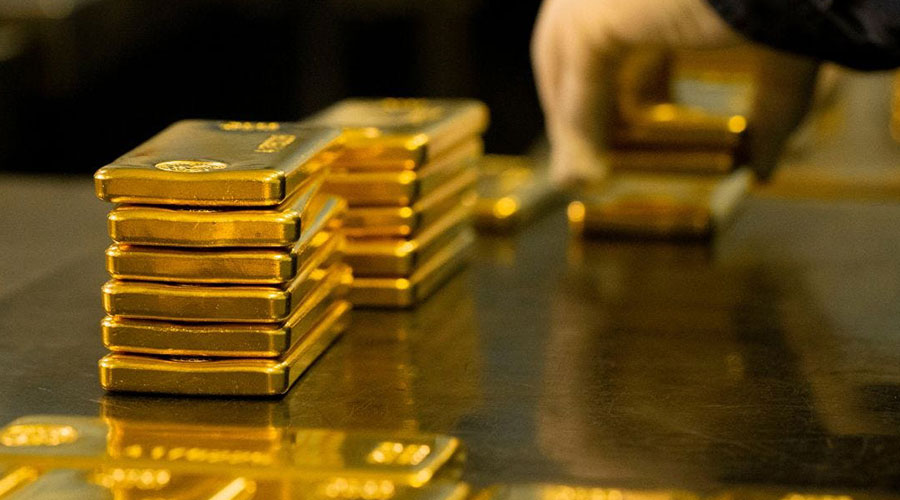
1 kg Gold Price Trends & Forecast in Uganda
1 kg 24K Gold Price in Uganda stands at approximately UGX 611,182,798 as of February 28, 2026, showing a strong upward trend over the past year.
This update reflects the latest market data, surpassing the September 2025 price of UGX 415 million by nearly 50%.
Past 12 Months Trend
Gold prices in Uganda have surged significantly since February 2025, rising from around UGX 337.6 million per kg to the current UGX 611.2 million—a gain of about 81%.
Over the last year, the price increased by UGX 273.6 million (81%), driven by global spot prices and UGX exchange rate fluctuations.
In the past 6 months, gains reached 56%, with 3-month rises at 24%.
Recent Monthly Highlights
| Month/Period | Approx. 1 kg Price (UGX) | Key Notes |
|---|---|---|
| Feb 2025 | 337,599,589 | Baseline from prior year |
| Sep 2025 | 415,014,844 | Steady climb noted |
| Dec 2025 | 526,323,915 | Strong end-of-year rally |
| Jan 2026 | ~615 million (late Jan) | Peaked near UGX 615M |
| Feb 2026 (current) | 611,182,798 | Up 3.36% in last 7 days; fluctuated from ~554M low to 611M high |
Prices per ounce in early periods (e.g., Jan 2024: ~UGX 7.7M avg; Oct 2024: ~UGX 9.9M avg) align with kg equivalents when scaled (1 kg ≈ 32.15 oz).
2026 Forecast
Analysts project continued rises, with global gold potentially reaching $6,300 per ounce by year-end 2026 due to central bank demand and geopolitics.
Uganda prices could average UGX 650-800 million per kg, assuming stable UGX and $4,500-$6,000/oz international levels.
Factors include persistent deficits and investor interest, though moderated from 2025’s explosive growth
Market Forecast & Outlook
The gold market in Uganda is influenced by both global and local factors. Internationally, gold prices are impacted by U.S. interest rates, geopolitical tensions, and inflation concerns.
Locally, Uganda’s increasing gold exports and production play a significant role in price determination.
Key Factors Influencing Future Prices:
-
Global Economic Conditions: Economic uncertainties and inflation can drive investors towards gold as a safe-haven asset.
-
Local Production and Exports: Uganda’s gold production reached 3,200 kg in December 2022, and exports surged over tenfold in 2023, totaling $2.3 billion.
-
Currency Fluctuations: Changes in the Ugandan shilling’s value against major currencies can affect gold prices.
Short-Term Outlook: Prices are expected to remain stable with potential for moderate increases, barring significant global economic shifts.
Long-Term Outlook: With continued growth in production and exports, Uganda’s gold market may experience sustained upward pressure on prices.
When buying gold in Uganda, consider these key tips:
-
Verify dealer credibility – choose licensed and trusted suppliers.
-
Check purity and certification – ensure gold is 24K or accurately marked.
-
Compare prices – monitor live rates to buy at the best market value.
-
Secure storage – whether at home or through professional vault services.
Gold investment in Uganda combines global market trends with local advantages, making it an ideal choice for both new and seasoned investors.
Frequently Asked Questions
How much is 1 kg of gold worth in Uganda today?
The price of 1 kilogram of 24K gold in Uganda fluctuates daily based on global and local market trends. As of Febuary, 2026, the current price is approximately UGX 611,182,844 (~USD 1166,347). Prices can vary depending on the dealer, gold purity, and currency exchange rates. Always check live rates before buying.
Where can I buy 1 kg gold safely in Uganda?
Safe purchasing options include licensed gold dealers, reputable banks, and certified trading platforms. Gold Buyers Africa is one of the trusted suppliers offering verified gold with transparent pricing. Always ensure you:
-
Verify authenticity using proper assays or certificates.
-
Avoid cash-only or unlicensed dealers.
-
Ask for secure storage or shipping options if buying online.
Does the gold price in Uganda include VAT or taxes?
The listed gold price usually excludes VAT and import/export taxes. When purchasing from dealers, additional charges such as VAT, handling fees, and shipping costs may apply. Investors and buyers should confirm all fees upfront to avoid surprises.
How is the 1 kg gold price calculated in Uganda?
The price is based on:
-
Global gold rate (London & New York markets)
-
UGX/USD exchange rate
-
Local supply and demand
-
Dealer premiums for storage, security, and certification
Can I sell 1 kg gold in Uganda easily?
Yes, you can sell gold to licensed dealers, banks, or export companies. Prices offered depend on the current market rate minus transaction or assay fees. Selling to trusted platforms like Gold Buyers Africa ensures fair pricing and secure transactions.
Conclusion
Investing in gold remains one of the safest ways to preserve wealth, and Uganda offers both competitive prices and growing opportunities. As of Febuary, 2026, the 1 kg gold price in Uganda stands at approximately UGX 611,82,844 (~USD 1166,347), reflecting steady growth over the past year.
Looking to buy 1kg gold in Uganda? Contact trusted dealers today and secure your investment safely. Platforms like Gold Buyers Africa offer verified gold at competitive rates, ensuring a secure and profitable purchase.