
Gold Demand in China & India | Trends, Insight & Opportunities 2025 Analysis
Gold Demand in China and India. China and India are the powerhouses of global gold demand, together accounting for over 50% of the world’s total consumption.
This dominance is driven by a combination of cultural traditions, investment strategies, and economic growth.
In India, gold is more than a luxury—it is a cornerstone of weddings, festivals, and family wealth, making it an integral part of the social and cultural fabric.
China, on the other hand, has seen rising gold demand not only for jewelry but increasingly for investment purposes, with both individual investors and the central bank actively purchasing gold to diversify reserves.
The gold demand in China and India reflects global economic trends: rising incomes, urbanization, and growing awareness of gold as a safe-haven asset during times of economic uncertainty.
For exporters, traders, and investors, understanding these markets is critical, as they represent the largest and most dynamic consumer base for gold in the world.
In this article, we explore the current trends, drivers, and future outlook of gold demand in China and India, providing valuable insights for anyone looking to engage with these markets.
Global Gold Demand Overview
The global gold demand in 2024–2025 remains robust, driven by both investment and jewelry consumption. According to the World Gold Council:
-
Total global consumption reached over 4,200 tons in 2024, marking a slight increase from the previous year.
-
China and India together account for more than 50% of global gold demand, making them the largest consumer markets worldwide.
-
China’s demand is largely investment-driven, with gold bars, coins, and ETFs forming a significant portion.
-
India’s demand is primarily jewelry-driven, influenced by cultural practices, weddings, and festivals.
-
-
Other major gold markets include:
-
USA – focuses heavily on investment products such as coins and ETFs.
-
UAE – serves as a regional hub for jewelry sales and gold trading.
-
-
Factors influencing global demand include economic growth, inflation hedging, cultural traditions, and geopolitical uncertainties.
This data highlights why investors, traders, and exporters closely monitor China and India as high-demand regions.
Understanding consumption patterns in these markets is essential for identifying opportunities in jewelry, investment-grade gold, and wholesale trading.
Here’s a snapshot of the top 10 gold-consuming countries in 2024:
| Rank | Country | Gold Demand (Tons) | % of Global Demand |
|---|---|---|---|
| 1 | China | 1,100 | 26% |
| 2 | India | 1,050 | 25% |
| 3 | USA | 230 | 5.5% |
| 4 | UAE | 110 | 2.6% |
| 5 | Germany | 95 | 2.3% |
| 6 | Turkey | 90 | 2.1% |
| 7 | Russia | 85 | 2% |
| 8 | Switzerland | 80 | 1.9% |
| 9 | Saudi Arabia | 75 | 1.8% |
| 10 | Thailand | 70 | 1.7% |
This overview highlights the critical importance of China and India as the engines of global gold consumption, making them the primary focus for exporters and investors worldwide.

Gold Demand in India
India has long been one of the largest consumers of gold in the world, and its demand is deeply rooted in cultural, social, and economic practices. Gold in India is not just a luxury—it is a symbol of wealth, status, and security.
Here are the key drivers of Indian gold demand in 2025:
-
Cultural Significance: Festivals like Diwali and Akshaya Tritiya, along with weddings and religious ceremonies, consistently drive spikes in gold purchases. Jewelry remains the primary form of gold ownership, often passed down as family heirlooms.
-
Urban vs Rural Buying Patterns:
-
Urban buyers prefer smaller, investment-oriented gold bars and coins, alongside jewelry, as a hedge against inflation and economic uncertainty.
-
Rural buyers focus heavily on jewelry, which serves as both a dowry and a store of wealth. Analysts predict India’s total gold consumption will reach ~1,100 tons in 2025, showing resilience despite global price fluctuations.
-
-
Gold Imports & Reserves: India imports most of its gold from Africa, UAE, and Switzerland, positioning itself as a major wholesale buyer in international markets. The Reserve Bank of India also holds significant gold reserves, adding economic stability and reinforcing long-term reliance on this precious metal.
-
Price Sensitivity: Indian buyers are highly responsive to global gold prices. When prices decline, purchases increase as consumers leverage lower rates for jewelry and investment-grade gold. Conversely, price spikes may temporarily slow buying, though cultural and ceremonial demand remains steady.
-
Strategic Market for Exporters: India is a key destination for African gold exporters, with the UAE serving as a major intermediary supplying gold to Indian wholesalers and retailers. This makes India a central hub in the global gold trade.
In summary, India’s gold demand is both culturally entrenched and economically strategic. Understanding urban vs rural patterns, festival-driven spikes, price sensitivity, and import channels is crucial for exporters, investors, and traders.
India’s role as a wholesale gold buyer from Africa and the UAE cements its position as a dominant force in the global gold market.
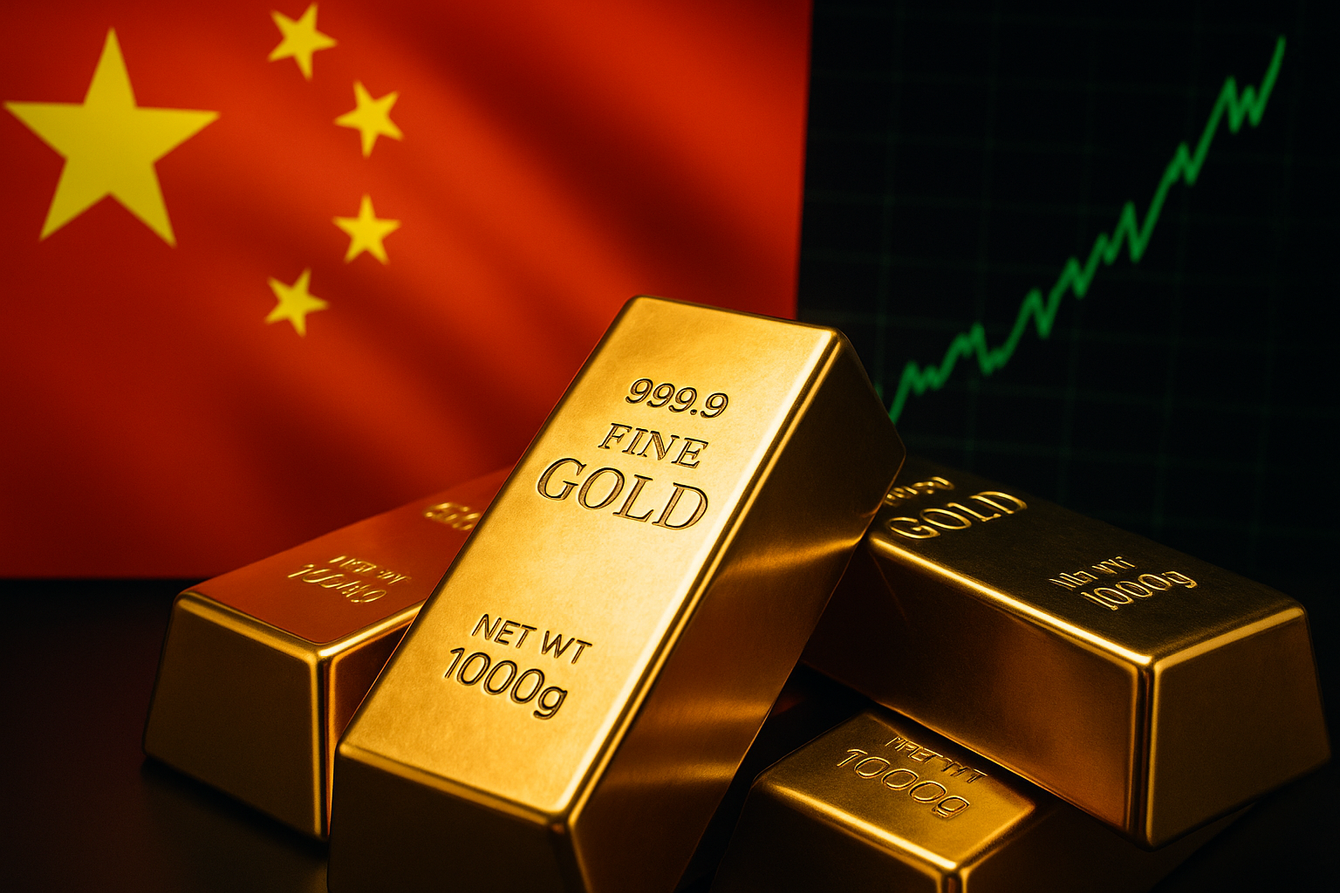
For a comprehensive understanding of the Europe Gold Market Outlook 2025, explore the latest gold market trends, delve into the factors affecting gold prices globally, learn about the impact of the US dollar on gold prices, examine gold demand in China and India, and stay updated with Dubai gold market trends to make well-informed investment decisions.
Gold Demand in China
China has emerged as the largest consumer and importer of gold in the world, driven by a combination of cultural, economic, and investment factors.
According to the World Gold Council, China accounts for approximately 26% of global gold demand, making it a critical market for exporters, investors, and global traders alike.
Several factors explain why China holds this dominant position.
Cultural Significance:
Gold plays a central role in Chinese culture, symbolizing wealth, prosperity, and good fortune. It is a popular gift during key celebrations such as Lunar New Year, weddings, and other festive occasions.
Gold jewelry, coins, and ornaments are often used as gifts to strengthen family ties or convey status. In addition, many Chinese households view gold as a store of value, using it to preserve wealth across generations.
Central Bank Purchases:
The People’s Bank of China actively buys gold to diversify its foreign reserves. By holding significant gold reserves, China aims to reduce dependency on the US dollar, hedge against currency fluctuations, and stabilize its economy in times of global financial uncertainty.
Central bank purchases contribute substantially to investment-driven demand, making China a critical influencer in global gold markets.
Investment Demand:
Individual and institutional investors in China increasingly purchase gold in forms such as bars, coins, and ETFs. Gold is considered a safe-haven asset in the face of inflation, stock market volatility, or geopolitical tensions.
The growing wealth of urban Chinese populations, coupled with rising financial literacy, has led to a surge in investment-grade gold purchases, supplementing traditional jewelry consumption.
Impact on Global Gold Pricing:
China’s massive consumption and import volumes significantly influence global gold prices. When Chinese demand rises, it often triggers price movements in international markets, affecting exporters and investors worldwide.
As a major importer from countries like Africa, Switzerland, and the UAE, China plays a pivotal role in shaping supply-demand dynamics and market trends.
In summary, the gold demand in China is driven by a combination of cultural traditions, investment strategies, and central bank policies.
With urban investors, wealthy households, and the central bank all actively participating, China’s market represents a powerful engine of global gold consumption.
For exporters, traders, and investors, understanding China’s buying behavior is essential to capitalize on one of the largest and most influential gold markets in the world.
“Explore how the surging gold demand in China and India directly impacts the 24k gold bar price today, helping investors and buyers make informed decisions.”
China vs India: Comparison of Gold Demand
China and India together account for over 50% of global gold consumption, but their consumption patterns, seasonal trends, and import behaviors differ significantly.
Understanding these differences is crucial for investors, exporters, and traders targeting these high-demand markets.
-
Consumption Patterns: In India, gold demand is primarily jewelry-driven, with cultural and religious traditions playing a major role. Festivals such as Diwali and wedding seasons consistently drive spikes in jewelry purchases. In contrast, China’s demand is increasingly investment-driven, with gold bars, coins, and ETFs accounting for a larger share of total consumption. While Chinese households also buy jewelry, the proportion of gold held as an investment is higher compared to India.
-
Seasonal Demand Differences: India experiences sharp seasonal spikes due to weddings, festivals, and religious ceremonies, with peak demand often occurring in the last quarter of the year. China also sees higher demand during Lunar New Year and other traditional holidays, but the investment component smooths out seasonal fluctuations, making China’s gold purchases more consistent throughout the year.
-
Import Volumes and Restrictions: India relies heavily on imports from the UAE, Switzerland, and Africa, often adjusting buying patterns based on global gold prices and government import duties. Price sensitivity is high: demand rises sharply when prices fall. China, on the other hand, imports significant volumes for both consumer and central bank needs, and its market is slightly less price-sensitive due to strong investment demand. Import regulations in China are stricter for private buyers, but the centralized institutional purchases ensure a steady flow of gold into the country.
Here’s a comparison of China vs India gold demand from 2015–2025 (forecast):
| Year | China Demand (Tons) | India Demand (Tons) |
|---|---|---|
| 2015 | 1,050 | 950 |
| 2016 | 1,000 | 900 |
| 2017 | 1,100 | 970 |
| 2018 | 1,050 | 950 |
| 2019 | 1,080 | 1,000 |
| 2020 | 1,020 | 850 |
| 2021 | 1,100 | 950 |
| 2022 | 1,120 | 980 |
| 2023 | 1,130 | 1,020 |
| 2024 | 1,100 | 1,050 |
| 2025* | 1,150 | 1,100 |
This comparison highlights that China’s gold demand is more stable and investment-oriented, while India’s demand is highly seasonal and culturally driven.
For exporters and investors, these distinctions are key to targeting the right market, timing shipments, and optimizing sales strategies.
Understanding how import regulations, price sensitivity, and cultural cycles affect each country enables more profitable engagement with the world’s largest gold-consuming nations.
For a comprehensive understanding of the Europe Gold Market Outlook 2025, explore the latest gold market trends, delve into the factors affecting gold prices globally, learn about the impact of the US dollar on gold prices, examine gold demand in China and India, and stay updated with Dubai gold market trends to make well-informed investment decisions.
Factors Driving Gold Demand in China & India
The gold demand in China and India is influenced by a combination of economic, cultural, and financial factors.
Understanding these drivers is essential for investors, exporters, and traders aiming to engage with these two dominant markets.
Economic Growth & Rising Income:
Both China and India have experienced rapid economic growth over the past two decades, leading to increased disposable income for households.
In China, urban populations with higher wealth are turning to gold as an investment and wealth preservation tool, while in India, rising incomes in both urban and rural areas drive jewelry purchases.
As per the World Gold Council, income growth directly correlates with gold consumption, making economic trends a primary driver of demand.
Cultural Traditions:
Cultural factors remain a cornerstone of gold demand. In India, gold is integral to weddings, religious ceremonies, and festivals such as Diwali and Akshaya Tritiya.
Families often purchase gold as a symbol of prosperity and security, with ornaments passed down through generations.
Similarly, in China, gold symbolizes wealth and good fortune and is commonly given as gifts during the Lunar New Year and other traditional celebrations. Cultural practices ensure that demand remains strong, regardless of short-term price fluctuations.
Inflation & Currency Fluctuations:
Gold is widely recognized as a hedge against inflation and currency depreciation. In both countries, periods of economic uncertainty, rising inflation, or weakening currency prompt households and investors to increase gold purchases.
This trend is particularly evident in India, where buyers respond quickly to price dips to acquire gold for both investment and ceremonial purposes.
Central Bank Policies:
In China, the People’s Bank of China actively purchases gold to diversify foreign reserves, providing a steady institutional demand.
While India’s central bank purchases are smaller, regulatory policies affecting imports and taxes directly influence wholesale buying patterns and overall market behavior.
Central bank activity adds a layer of stability and predictability to gold demand in both countries.
Wedding & Festival Seasons:
Seasonal factors play a critical role in India, where peak gold buying occurs during wedding seasons and major festivals.
In China, festivals such as the Lunar New Year also boost gold purchases, though investment-oriented buying helps smooth out seasonal spikes.
Exporters and retailers often align marketing and inventory strategies to capitalize on these predictable demand surges.
Global Gold Prices Impact:
Finally, global gold prices influence buying behavior in both countries. While Chinese demand is less sensitive to short-term price fluctuations due to strong investment trends, Indian buyers are highly price-sensitive, often increasing purchases when prices dip.
Understanding these dynamics allows traders and exporters to time shipments and optimize sales strategies effectively.
In conclusion, gold demand in China and India is shaped by a combination of economic growth, cultural traditions, financial hedging, central bank policies, seasonal buying, and global price movements.
Recognizing and responding to these drivers is essential for anyone seeking to profit from or supply the world’s largest gold markets.
Future Outlook: Gold Demand Forecast 2025–2030
The future of gold demand in China and India remains strong, with both markets poised to maintain their dominance in the global gold landscape.
According to forecasts from the World Gold Council, combined demand from these two countries is expected to grow steadily over the next five years, reflecting economic growth, cultural traditions, and investment trends.
-
China: Investment-Driven Growth – In China, gold demand is increasingly driven by investment needs rather than traditional jewelry consumption. Rising urban wealth, growing financial literacy, and a preference for gold as a safe-haven asset are expected to boost purchases of bars, coins, and ETFs. Analysts predict that by 2030, Chinese investment-driven demand could account for more than 40% of total gold consumption, reinforcing China’s role as a key influencer in global gold pricing.
-
India: Jewelry-Driven Demand Remains Strong – In India, gold continues to hold cultural and ceremonial significance, ensuring that jewelry remains the dominant form of consumption. Festivals, weddings, and family traditions will sustain high demand levels, with the rural and urban markets both contributing significantly. Even with fluctuations in global prices, Indian buyers are expected to maintain strong purchasing patterns, making India a reliable and high-volume market for exporters.
-
Long-Term Opportunities for Exporters – For gold exporters and traders, the projected growth in China and India represents significant business potential. Africa, the UAE, and other gold-producing regions stand to benefit from these high-demand markets. By aligning supply strategies with seasonal trends in India and investment cycles in China, exporters can maximize sales, reduce inventory risks, and build long-term partnerships with wholesalers and institutional buyers.
In conclusion, the 2025–2030 forecast indicates that China and India will continue to dominate global gold demand, driven by investment trends, cultural practices, and economic growth.
Exporters and investors who understand the nuances of each market will be well-positioned to capitalize on sustained demand and long-term opportunities.
Opportunities for Gold Exporters & Investors
The growing gold demand in China and India presents significant opportunities for exporters and investors, particularly in Africa, where countries like Uganda, Ghana, Mali, and the Democratic Republic of Congo (DRC) are rich in high-quality gold.
These nations have become key suppliers for global markets due to abundant resources, competitive pricing, and a growing network of trusted gold traders.
African gold offers a cost-effective alternative to traditional sources, making it highly attractive for both jewelry manufacturers and investment buyers in Asia.
-
Africa as a Strategic Supplier – Countries like Uganda and Ghana have established themselves as reliable exporters of gold bars and coins, meeting the quality standards demanded by international buyers. Mali and DRC contribute significantly to the raw and refined gold supply, offering opportunities for bulk exports to markets in China and India. African gold is often cheaper due to lower mining costs, making it a lucrative source for buyers seeking competitive pricing without compromising on quality.
-
China & India: Top Markets for African Gold – With over 50% of global gold demand concentrated in China and India, these markets represent the largest buyers of African gold. China’s investment-driven market prefers gold bars, coins, and ETFs, while India’s jewelry-focused demand creates opportunities for high-volume exports. By understanding the preferences of each market, exporters can tailor their products, ensuring higher sales and stronger relationships with wholesalers and retailers.
-
Profit Opportunities for Investors – Rising demand in these markets translates to profitable opportunities for investors. By exporting to China and India, investors can benefit from stable, high-volume sales and consistent demand cycles. African gold can be leveraged as both an investment commodity and a trade asset, allowing investors to maximize returns while diversifying portfolios. Tracking seasonal demand in India and investment trends in China ensures strategic timing and pricing for maximum profitability.
For exporters and investors looking to tap into this booming demand, Africa provides a unique competitive advantage.
Whether supplying jewelry manufacturers in India or investment buyers in China, African gold offers quality, affordability, and consistent demand.
Contact Gold Buyers Africa today to export gold to India & China at wholesale prices and capitalize on one of the world’s largest and most lucrative gold markets.
For a comprehensive understanding of the Europe Gold Market Outlook 2025, explore the latest gold market trends, delve into the factors affecting gold prices globally, learn about the impact of the US dollar on gold prices, examine gold demand in China and India, and stay updated with Dubai gold market trends to make well-informed investment decisions.
Frequently Asked Questions
Q1: Why is gold demand so high in India?
A: India has a deep-rooted cultural and religious attachment to gold. Weddings, festivals like Diwali, and traditional savings systems make gold highly desirable. Jewelry accounts for over 50% of India’s gold consumption, and investors also buy gold bars and coins to hedge against inflation and currency fluctuations.
Q2: Why does China buy so much gold?
A: China’s demand is driven by both cultural and investment factors. Gold is a traditional gift during festivals and weddings, but Chinese investors increasingly buy gold bars, coins, and ETFs to diversify their portfolios. Additionally, the People’s Bank of China purchases gold to strengthen national reserves, making China the largest single-country buyer of gold globally.
Q3: Which country will buy the most gold in 2025?
A: India and China are expected to remain the top two gold-consuming countries in 2025, together accounting for over 50% of global demand. India leads in jewelry consumption, while China leads in investment-driven gold buying. Emerging trends indicate both markets will continue to grow steadily due to rising incomes and cultural significance.
Q4: How much gold does India import yearly?
A: India imports around 800–1,000 tons of gold annually, depending on global prices and domestic demand. Jewelry manufacturers, private investors, and central bank purchases all contribute to these import volumes. Import restrictions and tariffs may temporarily impact yearly figures, but long-term demand remains strong.
Q5: Can I sell gold to Chinese or Indian buyers?
A: Yes, international gold suppliers and African exporters can sell gold to Indian and Chinese buyers. Working with trusted platforms like Gold Buyers Africa ensures safe, verified transactions at competitive prices. These markets value high-purity gold bars, coins, and refined products for investment and jewelry purposes.
Conclusion
India and China continue to dominate global gold demand, together accounting for over half of worldwide consumption. India’s demand is largely fueled by cultural traditions, weddings, and festivals, while China’s appetite is driven by both cultural practices and investment strategies, including gold bars, coins, and ETFs.
Understanding these markets is essential for investors, exporters, and traders looking to capitalize on the steady, high-volume demand.
For gold exporters and investors, this presents a significant opportunity. African gold producers, in particular, can benefit from supplying high-quality gold to these markets at competitive prices. With the right strategy, sellers can tap into seasonal demand peaks, long-term investment trends, and the ever-growing preference for certified, pure gold.
Whether you are looking to invest in gold, expand your trading network, or sell high-purity gold to China and India, now is the time to act.
Ready to tap into the massive Indian and Chinese gold demand?
Contact us today to buy or sell gold safely through Gold Buyers Africa, your trusted partner for verified transactions and competitive pricing. Start leveraging the world’s largest gold markets today and maximize your profits with confidence.