
Price of 1 Gram of 24K Gold – Today’s Rate & Investment Guide
As of today, the current price of 1 gram of 24K gold is $133.21 USD—a figure that reflects more than just market demand.
In fact, gold reached $4,143 per ounce in 2025 amid persistent inflation fears and global economic uncertainty, proving once again why this precious metal remains a trusted store of value.
24K gold, often called “pure gold,” boasts 99.9% purity, making it the highest standard available for jewelry, investment coins, and bullion.
Its unrivaled luster and intrinsic worth have made it a symbol of wealth and security for centuries. But despite its timeless appeal, gold’s price is anything but static.
Daily fluctuations occur due to multiple factors—inflation rates, currency movements, geopolitical tensions, central bank policies, and even shifts in consumer demand across major markets like India, China, and the U.S.
Tracking live gold prices helps both investors and everyday buyers make smarter purchasing decisions. Whether you’re shopping for a gold chain, comparing global rates, or planning an investment portfolio, knowing the current price of 1 gram 24k gold today can mean the difference between overpaying and buying wisely.
This guide explores real-time gold rates, geographic price differences, global trends, and expert tips to help you understand when and where to buy.
You’ll learn how to read the market, avoid common pitfalls, and time your purchases for maximum value.
Current 24K Gold Price Per Gram: Live Updates (2025)
The global spot price for 24K gold currently stands at $133.21 USD per gram, reflecting a modest 24-hour decline of -0.13%.
Despite this slight dip, gold remains a strong safe-haven asset in an uncertain economy.
Investors continue to monitor fluctuations closely, as even minor changes can influence jewelry prices, investment returns, and central bank reserves worldwide.
| Unit | Price (USD) | 24h Change |
|---|---|---|
| 1 Gram | $133.21 | -0.13% |
| 1 Ounce (oz) | $4,143.41 | -0.18% |
| 1 Kilogram (kg) | $133,210 | -0.13% |
🇺🇸USA Gold Rate
In the United States, the current 24K gold price per gram is approximately $133.21 USD, though local dealers often add a 3% premium to the spot rate.
This covers refining, handling, and retail margins, bringing the effective consumer price to around $137.20 per gram.
Gold demand in the U.S. is driven by both investment portfolios and luxury jewelry purchases, particularly during holiday seasons when retail demand surges.
Economic indicators like the Federal Reserve’s interest rate decisions and U.S. dollar strength play key roles in daily price movements.
🇬🇧 United Kingdom (GBP) Gold Rate
In the UK, the current 24K gold price per gram is approximately £104.50 GBP, based on the global spot rate of $133.21 USD and current exchange rates.
British investors often buy through Royal Mint bullion or certified dealers, factoring in small premiums for fabrication and shipping.
Gold demand in the UK is influenced by Bank of England policy, inflation data, and pound-dollar fluctuations, with many investors viewing gold as a hedge against market volatility and currency depreciation.
🇪🇺 Eurozone (EUR) Gold Rate
Across the Eurozone, the price of 1 gram of 24K gold averages around €123.00 EUR. Prices are generally uniform across major markets like Germany, France, and Italy, though small dealer markups may apply.
European gold investors often turn to bullion bars and ETFs as safe assets amid economic uncertainty and ECB interest rate shifts.
The euro’s strength or weakness against the dollar significantly impacts local gold prices, creating regional buying opportunities when the euro appreciates.
🇮🇳 India Gold Rate
In India, the price of 1 gram of 24K gold is around ₹11,200, which converts to roughly $133 USD when accounting for import duties and 3% GST.
India remains one of the world’s largest gold consumers, with demand peaking during weddings and festivals such as Diwali. Local rates can differ slightly due to regional taxes and transport costs, but they closely follow global spot prices.
Additionally, rupee depreciation often pushes up local gold prices, making timing crucial for jewelry buyers and investors alike.
🇦🇪 UAE/Dubai Gold Rate
In the United Arab Emirates, particularly Dubai, the 24K gold rate is about AED 489 per gram, equivalent to roughly $133 USD.
Dubai’s tax-free gold market and transparent pricing make it a top global hub for buyers and investors. With zero VAT on investment-grade bullion and minimal import restrictions, gold prices in Dubai closely track international spot levels.
The city’s famous Gold Souk remains a magnet for tourists seeking purity-certified 24K jewelry at globally competitive rates.
🇺🇬 Uganda (UGX) Gold Rate
In Uganda, the current 24K gold price per gram is approximately UGX 501,000, aligning closely with the international rate of $133 USD.
Gold trading in Uganda has grown rapidly in recent years, supported by regional refining hubs and export markets.
While retail gold jewelry carries additional premiums, investment-grade gold remains accessible through licensed dealers in Kampala.
Local prices can fluctuate with exchange rate movements and global demand trends, making real-time tracking essential for traders and investors.

Historical Gold Price Trends: From 2020 to 2025
Over the past five years, 24K gold prices have experienced dramatic shifts, driven by global crises, inflationary pressures, and monetary policy changes.
From the uncertainty of the 2020 pandemic to the geopolitical tensions of 2025, gold has reaffirmed its role as a safe-haven asset and a barometer of economic sentiment.
In 2020, as the world faced the COVID-19 pandemic, investors fled to gold for stability. The average price per gram surged +25%, climbing to around $56 USD/gram, its highest level in nearly a decade.
Lockdowns, disrupted supply chains, and massive fiscal stimulus programs fueled fears of long-term inflation, making gold a refuge amid chaos.
Following a brief consolidation, 2021 and 2022 saw moderate fluctuations as markets adjusted to vaccine rollouts and gradual economic recovery.
However, rising inflation and global energy shortages reignited gold demand by late 2022. By 2023, the metal averaged $62 USD/gram, its highest level since the 1980s in real terms.
Inflation peaked across major economies, and central banks responded with aggressive rate hikes—yet gold remained resilient, reflecting investor skepticism about fiat currency strength.
The story took another turn in 2024–2025, when geopolitical tensions, de-dollarization moves by emerging markets, and rate cuts by the U.S. Federal Reserve pushed gold into record territory.
By mid-2025, prices soared to an average of $110 USD per gram (Year-to-Date), representing a +40% surge from the previous year.
Market analysts attributed this spike to renewed uncertainty surrounding global trade realignments, sustained inflation, and weakening confidence in traditional safe assets like bonds.
Gold Price Summary: 2020–2025
| Year | Avg Price/Gram (USD) | Key Event |
|---|---|---|
| 2020 | $56 | Pandemic safe-haven rally |
| 2021 | $58 | Gradual recovery; supply chain stabilization |
| 2022 | $60 | Inflation acceleration begins |
| 2023 | $62 | Inflation peak; rate hikes |
| 2024 | $78 | Geopolitical tensions; central bank buying |
| 2025 (YTD) | $110 | Rate cuts; global uncertainty |

Analysis: What Drives These Trends?
Gold’s trajectory is closely correlated with key macroeconomic indicators. Historically, there’s been a negative correlation between gold and the U.S. Dollar Index (DXY)—when the dollar weakens, gold prices rise.
Similarly, oil prices often move in tandem with gold, as both reflect inflation and geopolitical risk sentiment.
-
USD Index: Between 2020–2025, periods of dollar weakness (especially during rate cuts) saw gold spike.
-
Oil Prices: Higher oil costs in 2022–2024 contributed to inflation fears, prompting investors to hedge with gold.
-
Central Bank Demand: Many emerging markets, notably China and India, increased gold reserves to diversify away from the dollar.
Using interactive charts or animated trend lines on your page can increase user dwell time and engagement—helping readers visualize how gold’s price moves in response to global forces.
In short, from pandemic panic to geopolitical tension, gold’s five-year journey underscores one timeless truth: when uncertainty rises, so does gold.

Factors Influencing 24K Gold Prices in 2025
Understanding what drives the current price of 1 gram of 24K gold is essential for both investors and buyers. Gold’s value doesn’t move randomly—it responds to a complex web of economic, geopolitical, and market-based factors.
Below are the four primary forces shaping 24K gold prices today, supported by insights and actionable tips for tracking them effectively.
1. Economic Factors: Interest Rates and Inflation
Gold’s most powerful price drivers are interest rates and inflation trends. Historically, when the U.S. Federal Reserve lowers rates, gold prices rise because the opportunity cost of holding a non-yielding asset like gold decreases.
For example, in 2025, Fed rate cuts following a slowdown in global growth directly contributed to gold’s +40% year-to-date surge.
Inflation also plays a decisive role: when prices of goods and services climb, investors flock to gold as a hedge against purchasing power erosion.
According to analysts, a 1% increase in inflation can drive gold prices up by nearly 2–3%. The takeaway? Watch for key economic data such as CPI (Consumer Price Index) and Federal Reserve meeting outcomes, as these often trigger immediate movements in the gold market.
2. Geopolitical Factors: Wars, Elections, and Global Instability
Gold thrives in times of uncertainty, making geopolitical events a major influence. Conflicts in Eastern Europe, trade tensions between major economies, and political shifts like the 2024 U.S. presidential election all had tangible impacts on gold’s volatility.
When investors sense instability—be it from war, sanctions, or regime changes—they shift from riskier assets like equities to safe-haven assets like gold.
In 2025, rising tensions in the Middle East and fluctuating diplomatic ties across Asia drove sharp intraday gains, pushing gold past $4,100 per ounce.
Even rumors of conflict or policy shifts can move prices within hours, so staying informed through reliable financial news outlets and market feeds is critical for timely decisions.
3. Supply and Demand Dynamics: Mining Output and Jewelry Markets
The global gold supply is finite, and any disruption in mining output can quickly tighten availability and raise prices. Major gold-producing countries—China, Russia, Australia, and South Africa—play pivotal roles in setting annual supply levels.
For instance, even a 2% drop in mining production can cause a noticeable price uptick. On the demand side, cultural factors are just as influential. In India, festivals like Diwali and Akshaya Tritiya trigger a surge in gold jewelry purchases, while in the Middle East, gold remains a traditional form of wealth preservation.
Combined with rising investment demand from central banks, these seasonal and cultural cycles create predictable periods of heightened market activity.
Monitoring both World Gold Council reports and seasonal jewelry trends can help buyers anticipate short-term price spikes.
4. Currency Fluctuations: USD Strength vs. INR, AED, and Others
Gold is priced globally in U.S. dollars, so currency movements directly impact its value. When the USD weakens, gold becomes cheaper for international buyers, increasing global demand and pushing prices higher.
Conversely, a strong dollar can suppress gold prices temporarily. In 2025, the weakening dollar—paired with appreciation in currencies like the Indian rupee (INR) and UAE dirham (AED)—helped maintain stable local gold rates despite global surges.
Exchange rates, inflation differentials, and cross-border trade policies all play a role here. Tracking daily currency data through tools like XE.com, Bloomberg FX, or live gold price widgets ensures you’re not blindsided by sudden conversions or import cost changes.
Pro Tips for Tracking Gold Prices
-
Monitor via apps like GoldPrice.org or Investing.com for real-time rate alerts.
-
Set price notifications for key thresholds (e.g., when gold crosses $135/gram).
-
Compare geo-specific prices (USD, INR, AED, GBP) to spot regional buying opportunities.
-
Watch central bank policy statements—they’re often precursors to major gold movements.
By understanding these four key drivers—economic shifts, geopolitical uncertainty, supply-demand cycles, and currency strength—you can anticipate market movements more accurately and make smarter, data-backed decisions when buying or investing in 24K gold.

24K Gold Price Forecast: 2026 and Beyond
Looking ahead, the 24K gold market shows strong potential for continued growth, fueled by economic uncertainty, geopolitical tensions, and sustained investment demand.
Analysts currently forecast that the price of 1 gram of 24K gold could reach $150 USD by mid-2026, representing a roughly +12–13% increase from 2025 levels.
This projection is based on current trends in inflation, central bank policies, and global gold demand, as well as historical patterns during periods of economic volatility.
While no forecast is guaranteed, consensus among commodity experts suggests that gold will remain a cornerstone for wealth preservation.
Forecast Scenarios
Market projections vary depending on global economic conditions. In a bullish scenario, a global recession or further geopolitical crises could push gold prices up by +20%, potentially exceeding $160 USD/gram.
Economic uncertainty, combined with central banks continuing to diversify reserves into gold, would drive demand sharply higher.
Conversely, in a bearish scenario—where markets stabilize, inflation slows, and currencies strengthen—gold may see a modest increase of +5%, reaching around $115–$120 USD/gram.
Even in this conservative scenario, gold retains its appeal as a risk-hedging asset, offering steady returns compared to volatile equities.
Investment Angle: Why 1-Gram Bars Beat Coins for Beginners
For new investors, 1-gram gold bars are often the preferred choice over coins. They are typically less expensive per gram, easier to store, and come with certified purity that ensures buyers are getting true 24K gold (99.9% pure).
Coins may carry additional premiums due to collectibility, limited mintage, or historical value, which can inflate costs beyond the actual metal price.
Small bars allow beginners to start with incremental investments, gradually accumulating wealth without significant upfront capital.
Furthermore, 1-gram bars are widely accepted by dealers worldwide, making resale straightforward and convenient, especially in emerging gold markets like India, UAE, and East Africa.
Key Takeaways
-
Target price by mid-2026: ~$150 USD/gram
-
Bull case: +20% if economic instability persists
-
Bear case: +5% in stable global conditions
-
Investment tip: 1-gram bars offer flexibility, affordability, and certified purity for beginners
In summary, gold continues to demonstrate its resilience as a safe-haven asset. While exact prices will fluctuate, experts agree that 24K gold remains a smart long-term hedge against inflation, currency devaluation, and market volatility, making strategic small-scale investments in 1-gram bars an ideal entry point for novice investors.
How to Buy 1 Gram of 24K Gold: Step-by-Step Guide
Buying 1 gram of 24K gold can seem intimidating, but following a structured approach ensures you get authentic, high-purity gold without overpaying.
Whether for investment or gifting, this guide walks you through key steps, form choices, and global buying options.
1. Verify Purity
Before purchasing, ensure your gold is 99.9% pure (24K). Look for certified hallmarks, such as BIS in India or LBMA stamps internationally.
For added security, some buyers perform acid tests or XRF analysis, especially for second-hand pieces. Verified purity protects your investment and guarantees resale value.
2. Choose the Form: Bars, Coins, or Jewelry
-
Bars: Preferred for investors; easier to store and trade. Minimal design premium makes them cost-effective.
-
Coins: Attractive for collectors; may carry additional numismatic premiums.
-
Jewelry: Ideal for gifting or cultural purposes; premiums can range from 10–20% above spot, depending on craftsmanship.
For beginners looking to accumulate gold efficiently, 1-gram bars are generally the best choice.
3. Online vs. Local Purchase: Pros & Cons
| Option | Pros | Cons |
|---|---|---|
| Online (e.g., JM Bullion for USA, MMTC-PAMP India) | Convenience, global shipping, verified certifications | Shipping costs, wait times, potential scams if unverified |
| Local Dealers | Immediate possession, ability to inspect | Higher premiums (3–5%), limited inventory, regional price fluctuations |
Online platforms often offer live spot-based pricing, while local shops let you physically inspect purity. Choose based on comfort level, security, and urgency.
4. Geo-Specific Buying Options
-
USA: APMEX, JM Bullion, Kitco — reliable delivery and certified bars
-
India: MMTC-PAMP, India Bullion & Jewellers — GST-compliant and festive discounts
-
UAE: Malabar Gold & Diamonds, Dubai Gold Souk — tax-free purchases, competitive rates
-
Africa: Gold Buyers Africa, local LBMA-certified refineries — convenient for emerging markets
5. Cost Breakdown
When purchasing 1 gram of 24K gold, the final price includes:
-
Spot Price: Current market rate (e.g., $133 USD/gram in 2025)
-
Premium: 2–5% for dealer margins and minting
-
Shipping/Handling: $2–10 depending on provider and location
Example: Spot $133 + 3% premium ($3.99) + $2 shipping = $138.99 per gram.
6. Ready to Buy?
For beginners or investors looking for a straightforward option, you can get a 1g 24K gold bar for around $135 through verified affiliate sellers. Start small, verify authenticity, and build your gold holdings over time.
By following these steps—verifying purity, choosing the right form, selecting a trustworthy platform, and understanding total costs—you can confidently purchase 1 gram of gold while avoiding common pitfalls.
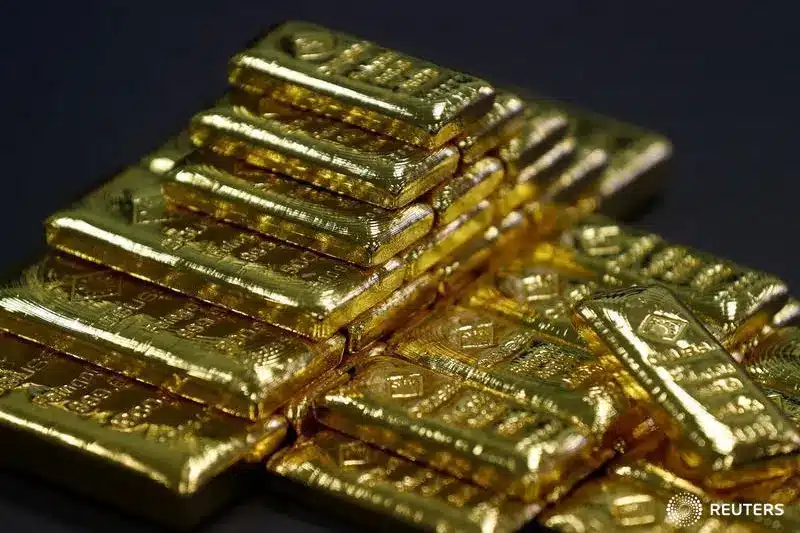
24K vs. Other Gold Purities: Price Comparison
When buying gold, understanding purity levels is crucial because it directly affects both price and long-term value.
24K gold, with 99.9% purity, is the most sought-after for investment due to its maximum intrinsic value and liquidity.
Lower purities, such as 22K and 18K, are commonly used in jewelry, offering durability and ease of wear but slightly less gold content per gram.
| Purity | Gold Content | Price/Gram (USD) | Best For |
|---|---|---|---|
| 24K | 99.9% | $133 | Investment, wealth preservation |
| 22K | 91.6% | $122 | Jewelry, Indian weddings and festivals |
| 18K | 75% | $100 | Daily wear jewelry, affordable pieces |
Why 24K wins: Unlike 22K or 18K, 24K gold retains maximum value over time because it contains the purest form of gold without alloy dilution. Investors prefer 24K bars or coins for safe-haven holding, hedging against inflation, and easy resale.
While lower purities may be cheaper upfront and more practical for jewelry, they carry less gold content and higher design premiums, making 24K the superior choice for long-term wealth retention.
Why Buy from Gold Buyers Africa
If you’re considering purchasing gold and are looking for a trusted dealer in East Africa, here are compelling reasons why Gold Buyers Africa stands out:
1. Certified and Transparent
-
Gold Buyers Africa is a registered company based in Kampala, Uganda, dealing in high‐purity gold sourced from African production hubs like Uganda, Kenya, South Africa, Ghana and Mali.
-
Every purchase comes with assay certificates, showing actual purity and weight, ensuring the gold bars are authentic.
-
We promise transparent pricing with no hidden fees when buying bars.
2. Competitive Pricing & Direct Sourcing
-
Because we source gold directly from licensed artisanal miners in regions like Karamoja (Uganda), Busia and others, they can offer gold at more competitive levels compared to many intermediaries.
-
We claim: ability to price below typical global premiums by avoiding extra layers of middle‑men.
3. Secure Logistics & Export Support
-
For international buyers, Gold Buyers Africa offers logistics, export documentation, and secure shipping solutions, helping ensure your gold purchase arrives safely.
-
We handle export compliance, which can be a complex area especially when buying from Africa, reducing risk for you as the buyer.
4. Ethical Sourcing & High Standards
-
We emphasize ethical sourcing—working only with licensed mining operations, compliant with local regulations and focus on traceability of gold supply.
-
This helps reduce risk of dealing in gold with uncertain origin or legal issues.
5. Local Presence with International Reach
-
Being based in Uganda gives them local knowledge of the African gold market (a region often overlooked by many global buyers).
-
At the same time they cater to international clients, delivering to destinations outside Uganda when needed.
Final Thought
If you are looking to buy 1 gram (or more) of 24K gold and want a dealer who offers certified purity, transparent pricing, secure logistics, and access to the African gold supply chain.
Gold Buyers Africa is a strong candidate. Always ensure you perform your own due diligence, ask for assay reports, confirm logistics and payment terms—but choosing a company like this gives you a sound starting point.
Frequently Asked Questios
Is 24K gold worth buying?
A: Yes. 24K gold (99.9% pure) is ideal for investment and wealth preservation because it retains maximum intrinsic value, is highly liquid, and acts as a hedge against inflation.
How is the price of 1 gram of 24K gold calculated?
A: Multiply the current spot price by any dealer premium (2–5%) and add taxes or shipping. Example: $133 + 3% premium = ~$137/gram.
How to calculate the price for 10 grams?
A: Multiply the per-gram price by 10. Using the previous example: $137 × 10 = $1,370.
Why does 24K gold cost more than 22K or 18K?
A: 24K gold is purest, containing nearly 100% gold, whereas 22K (91.6%) and 18K (75%) include alloys, reducing intrinsic value.
Does gold price vary by country?
A: Yes. Local taxes, import duties, and currency fluctuations affect prices in the USA, India, UAE, and other regions.
Are small 1-gram bars a good investment?
A: Absolutely. They are affordable, easy to store, widely recognized, and provide flexibility for incremental investing.
Where can I track live 24K gold prices?
A: Use apps or websites like GoldPrice.org, Kitco, or Investing.com for real-time updates.
Conclusion: Act on Today’s Gold Prices
The current price of 1 gram of 24K gold stands at $133 USD, offering a prime opportunity for both beginners and seasoned investors to secure value. Remember to verify purity, compare premiums, and consider small 1-gram bars for flexible investing.
With global economic trends and inflation pressures, analysts predict prices could rise up to 10% by year-end, making timely purchases worthwhile.
Don’t wait—invest in 1g of 24K gold today and start building your portfolio with a safe-haven asset that retains long-term value. [Buy Now].