
Gold Bar Investment in 2026 – Smart Strategy for Future Wealth
Why Gold Bar Investment Matters in 2026
Gold Bar Investment Matters in 2026: As the global economy moves closer to 2026, investors around the world are facing a familiar but intensifying question: how do you protect wealth in an era of uncertainty?
Rising inflation, fluctuating interest rates, currency devaluation, and ongoing geopolitical tensions continue to challenge traditional investment strategies.
In this environment, many investors are re-evaluating safe-haven assets—and gold bar investment in 2026 is emerging as a powerful long-term solution.
History has consistently shown that gold performs best when confidence in financial systems weakens.
Unlike paper assets, physical gold bars are not tied to any government, currency, or central bank policy.
As inflation erodes purchasing power and global debt levels remain high, investors increasingly turn to gold as a store of value that has stood the test of time.
This growing demand is positioning physical gold bars as a strategic hedge against economic instability heading into 2026.
Geopolitical tensions, supply chain disruptions, and unpredictable market cycles further reinforce gold’s role as a safe asset.
While stocks and digital assets can experience sharp volatility, gold bars offer tangible ownership, global liquidity, and intrinsic value—qualities that are especially valuable in uncertain economic climates.
In this guide, you will learn why gold bar investment in 2026 matters more than ever, how global economic trends are shaping gold’s future, and what makes physical gold bars a preferred choice for long-term wealth preservation.
We’ll also explore investment strategies, potential risks, and practical steps to help you decide whether gold bars belong in your 2026 investment plan.
Whether you’re a first-time investor or looking to strengthen your portfolio, understanding gold’s role in the years ahead is essential.
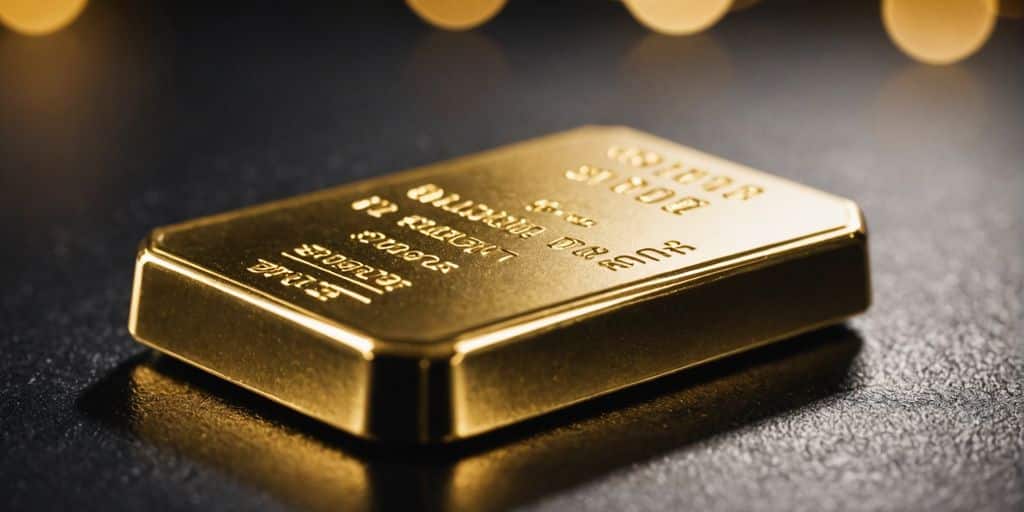
Global Economic Outlook Leading Into 2026
The global economic landscape heading into 2026 remains complex and fragile, shaped by overlapping forces that continue to pressure traditional financial systems.
While periods of growth have emerged in parts of the world, underlying structural challenges persist, keeping uncertainty elevated for investors and policymakers alike.
Inflation trends remain a central concern. Although inflation rates have fluctuated across major economies, the long-term impact of expansive fiscal spending, supply chain restructuring, and rising production costs continues to erode purchasing power.
Even modest inflation, when sustained over time, can significantly reduce the real value of cash and fixed-income assets—prompting investors to seek stores of value that historically retain purchasing strength.
At the same time, interest rates and central bank policies remain unpredictable. Central banks face a difficult balancing act between controlling inflation and supporting economic growth.
Prolonged higher interest rates can slow economies and strain debt-heavy sectors, while premature easing risks reigniting inflation.
This policy uncertainty creates uneven market conditions and increases the appeal of assets that are not directly dependent on monetary decisions.
Currency devaluation risks are also becoming more pronounced. Growing national debt levels, trade imbalances, and shifting geopolitical alliances place pressure on fiat currencies over the long term.
When confidence in currency stability weakens, investors often turn to globally recognized assets—such as gold—that are not tied to the performance of any single economy.
Meanwhile, stock market volatility continues to test investor confidence. Equity markets are increasingly sensitive to economic data, political developments, and central bank signals, leading to sharp short-term swings.
While stocks remain important for growth, volatility highlights the need for balance within a diversified portfolio. Within this broader outlook, gold is not positioned as a speculative bet, but as a strategic hedge.
Physical gold bars offer stability, liquidity, and long-term value preservation, helping investors manage risk rather than chase short-term returns as 2026 approaches.

Why Gold Bars Are a Smart Investment in 2026
As investors prepare for 2026, the appeal of gold bars lies not in speculation, but in their proven ability to protect wealth through uncertain economic cycles.
One of the most compelling reasons to invest in gold bars is tangible asset ownership. Unlike digital or paper-based investments, physical gold is something you can hold, store, and control directly.
This tangible nature provides a sense of security that intangible assets cannot replicate, especially during periods of financial stress.
Another critical advantage is the absence of counterparty risk. Many financial assets rely on institutions, intermediaries, or contractual obligations to retain value. Gold bars do not.
Their worth is not dependent on a company’s performance, a bank’s solvency, or a government’s promise. As long as the gold exists, its intrinsic value remains, making it a reliable asset even during systemic disruptions.
Inflation protection is also a key factor driving gold bar investment in 2026. Over time, inflation reduces the purchasing power of fiat currencies, gradually weakening cash savings and fixed-income investments.
Gold has historically moved in the opposite direction, maintaining or increasing its value as currencies lose strength. This makes gold bars a practical hedge against rising costs and long-term inflationary pressures.
Gold bars also play a vital role in wealth preservation. Rather than chasing high-risk returns, many investors use gold to stabilize their portfolios and protect accumulated wealth.
Its global recognition and liquidity allow gold to be easily bought, sold, or transferred across borders, offering flexibility in both stable and unstable economic conditions.
Finally, long-term historical performance supports gold’s relevance. Across decades—and even centuries—gold has retained its role as a store of value through wars, financial crises, and monetary shifts.
While short-term prices may fluctuate, gold’s long-term track record underscores why gold bars remain a smart, disciplined investment choice heading into 2026.

Gold Price Forecast & Trends for 2026
Looking ahead to 2026, gold price trends will be shaped by a combination of economic, geopolitical, and market-driven forces rather than any single factor.
While precise price predictions are unreliable, understanding the key drivers behind gold prices helps investors make informed, long-term decisions.
One of the most important factors influencing gold prices is inflation and monetary policy.
When inflation remains persistent or resurfaces, gold often benefits as investors seek protection against declining currency value.
Likewise, shifts in interest rate policy—especially real interest rates—can significantly affect gold demand.
Lower or negative real rates tend to support higher gold prices by reducing the opportunity cost of holding non-yielding assets like gold.
Supply and demand dynamics also play a crucial role. On the supply side, gold mining production grows slowly and is limited by geological, environmental, and regulatory constraints.
This relatively inelastic supply means sudden increases in demand can have an outsized impact on prices.
On the demand side, gold consumption is driven by jewelry, investment products, technology, and central banks.
Investment demand, in particular, tends to rise during periods of uncertainty, directly influencing price momentum.
A notable long-term trend supporting gold is central bank gold accumulation. In recent years, central banks—especially in emerging and non-Western economies—have increased gold reserves to diversify away from reliance on major reserve currencies.
This structural demand provides a steady underlying support for gold prices and signals continued institutional confidence in gold as a strategic reserve asset heading into 2026.
Investor sentiment will remain another powerful driver. Market confidence, geopolitical developments, and financial instability can quickly shift investor behavior.
During periods of optimism, gold may see muted gains, but when risk aversion increases, gold often attracts capital as a defensive asset.
Importantly, this demand is not speculative by nature; it reflects gold’s role as portfolio insurance.
Taken together, gold’s 2026 outlook is best understood through scenarios rather than forecasts.
Whether driven by inflation pressures, financial instability, or strategic reserve accumulation, the underlying trends suggest gold will continue to play a meaningful role in diversified investment strategies rather than serving as a short-term trade.

Physical Gold Bars vs Other Gold Investments in 2026
As gold demand continues into 2026, investors can choose from several ways to gain exposure to the metal.
However, not all gold investments offer the same level of security, control, and long-term protection.
Understanding how physical gold bars compare to other gold-based assets helps investors select the option that best aligns with their wealth preservation goals.
Gold bars vs gold coins is often the first comparison investors consider. While both provide physical ownership, gold bars typically carry lower premiums over the spot price, especially in larger sizes.
Coins may offer collectible appeal or legal tender status, but for pure investment purposes, gold bars provide more gold for the money and are easier to stack, store, and value based strictly on weight and purity.
When comparing gold bars vs gold ETFs, the differences become more significant. Gold ETFs offer price exposure and convenience but do not provide direct ownership of physical metal.
Investors rely on fund structures, custodians, and financial institutions to back their holdings.
In contrast, gold bars eliminate counterparty risk by offering outright ownership, making them more resilient during financial system stress or market disruptions.
Digital gold has gained popularity for its accessibility, but it introduces similar risks to ETFs.
Ownership is typically represented by digital records rather than personal possession, and investors depend on platforms, technology, and regulatory frameworks to access their gold.
Physical gold bars, on the other hand, are not subject to platform failures, cyber risks, or account restrictions, providing unmatched reliability.
Gold mining stocks offer indirect exposure to gold prices but behave more like equities than gold itself.
Mining stocks are affected by operational costs, management decisions, geopolitical risks, and broader stock market volatility.
Even when gold prices rise, mining stocks can underperform or decline, reducing their effectiveness as a hedge.
In 2026, physical gold bars remain superior for wealth protection because they combine intrinsic value, direct ownership, global liquidity, and independence from financial intermediaries.
Rather than chasing leverage or convenience, gold bars focus on preserving purchasing power—making them a foundational asset for long-term financial security.

Best Gold Bar Sizes to Invest in for 2026
Choosing the right gold bar size is a key decision for investors planning ahead for 2026. The ideal size depends on budget, liquidity needs, and long-term investment goals.
Understanding the advantages of different gold bar weights helps investors build a flexible and efficient gold portfolio.
1 oz gold bars are the most popular choice for individual investors. Their affordability makes them accessible to first-time buyers, while their global recognition ensures high liquidity.
One-ounce bars are easy to resell, widely accepted by dealers, and often come from well-known LBMA-approved refiners. For investors who value flexibility and ease of liquidation, 1 oz gold bars are an excellent entry point.
10 oz gold bars strike a balance between value and convenience. They typically carry lower premiums per ounce than smaller bars, making them more cost-effective for investors with larger budgets.
At the same time, 10 oz bars remain relatively easy to store and resell, especially through established bullion dealers. For investors looking to consolidate holdings without sacrificing liquidity, this size offers an attractive middle ground.
1 kg gold bars are best suited for high-net-worth individuals or long-term investors seeking maximum efficiency.
Kilogram bars usually offer the lowest premium per ounce, making them ideal for those focused on long-term wealth preservation rather than frequent trading.
While resale may require larger buyers or institutional channels, kilogram bars remain highly liquid in global bullion markets.
When considering liquidity and resale, diversification across sizes can be a smart strategy. Smaller bars provide flexibility during partial sell-offs, while larger bars reduce acquisition costs.
In 2026, a mix of gold bar sizes allows investors to balance affordability, efficiency, and liquidity while maintaining control over their physical gold assets.

Purity, Certification & Trust Factors in 2026
Trust is a critical foundation of gold bar investment, especially as more investors turn to physical assets in 2026.
Ensuring authenticity, quality, and proper safeguards is essential to protecting both capital and peace of mind.
At the core of gold bar quality is purity. Investment-grade gold bars are typically refined to 24K or 99.99% purity, meeting international standards for bullion investment.
This level of purity ensures global acceptability and straightforward valuation, allowing investors to buy, sell, or trade gold bars without unnecessary complications.
Equally important is LBMA accreditation. The London Bullion Market Association sets the benchmark for gold quality and responsible sourcing.
Gold bars produced by LBMA-approved refiners are recognized worldwide, making them easier to resell and verify. In 2026, purchasing gold bars from accredited refiners significantly reduces the risk of counterfeit or substandard products.
Serial numbers and assay cards provide additional layers of verification. Most modern minted gold bars include unique serial numbers that correspond to official assay certificates.
These documents confirm the bar’s weight, purity, and origin, serving as proof of authenticity and enhancing resale confidence. Keeping assay cards intact and undamaged is especially important for maintaining maximum value.
Beyond authenticity, secure storage and insurance are essential trust factors. Investors can choose between home safes, bank safety deposit boxes, or professional vaulting services.
Insured storage solutions protect against theft, loss, or damage, ensuring that the physical asset remains fully protected over time. Many investors opt for segregated vault storage for added security and transparency.
Together, purity standards, proper certification, and secure storage practices form the backbone of responsible gold bar investment in 2026.
These trust factors not only protect the asset itself but also reinforce gold’s role as a reliable and credible store of value in an increasingly uncertain financial world.

Risks of Gold Bar Investment in 2026 (And How to Manage Them)
While gold bars are a trusted store of value, investing in physical gold in 2026 is not without risks. Understanding potential challenges and how to mitigate them is essential for any serious investor.
1. Price volatility
Price volatility is one of the most obvious risks. Gold prices can fluctuate due to changes in inflation, interest rates, geopolitical events, or currency movements.
While long-term trends generally favor gold as a hedge, short-term price swings can impact buying and selling decisions. To manage this, investors should consider dollar-cost averaging, avoid over-concentration, and maintain a diversified portfolio to balance exposure.
2. Storage risks
Storage risks are another key consideration. Physical gold can be lost, stolen, or damaged if not properly secured.
Safe storage solutions—such as bank safety deposit boxes, professionally managed vaults, or insured home safes—can significantly reduce these risks.
Using insured storage ensures protection against unforeseen events, providing peace of mind while holding substantial holdings.
3. Counterfeit gold
is an ongoing concern in the bullion market. Fake or substandard bars can circulate, especially from less-reputable sources.
To safeguard against this, investors should buy only from accredited dealers, check LBMA-approved refiners, and verify each bar with serial numbers and assay cards. Investing in well-known brands also enhances resale confidence and reduces risk.
4. Regulatory considerations
must be factored in. Gold ownership, import/export rules, and taxation vary by jurisdiction and can impact liquidity or costs.
Staying informed about local laws and consulting financial or legal advisors helps investors remain compliant while optimizing their gold strategy.
By addressing these risks through secure buying, verification, and diversification, investors can enjoy the benefits of gold bars while minimizing potential downsides.
In 2026, a cautious and informed approach ensures that gold remains a reliable component of a resilient investment portfolio.

How to Start Gold Bar Investment in 2026 (Step-by-Step)
Investing in gold bars in 2026 can seem daunting, but following a clear, structured approach ensures confidence and long-term success.
Here’s a practical step-by-step guide for new and experienced investors alike.
Step 1: Set Investment Goals
Before buying any gold, define your objectives. Are you seeking long-term wealth preservation, a hedge against inflation, or a liquid asset for future needs?
Determining your goals will help you decide how much gold to purchase, the bar sizes to focus on, and the level of security required. Clear goals also prevent impulsive buying during short-term market fluctuations.
Step 2: Choose Trusted Suppliers
The reputation of your gold supplier is critical. Look for LBMA-accredited refiners or well-known bullion dealers with a proven track record.
Trusted suppliers provide transparent pricing, proper documentation, and secure shipping options. Avoid unknown sellers or deals that seem “too good to be true,” as these may increase the risk of counterfeit or substandard gold.
Step 3: Decide Bar Size & Budget
Gold bars come in various sizes, from 1 oz to 1 kg or more. Smaller bars are more liquid and easier to sell in portions, while larger bars usually carry lower premiums per ounce.
Align your choice with your investment goals and budget. Many investors start with 1 oz bars for flexibility and gradually add larger bars as their holdings grow.
Step 4: Verify Authenticity
Ensuring your gold bars are genuine is non-negotiable. Check for assay certificates, serial numbers, and other documentation that confirm weight and purity.
If purchasing online, confirm the supplier’s verification processes and consider third-party verification services. Buying certified gold from reputable refiners significantly reduces the risk of fraud.
Step 5: Arrange Secure Storage
Once purchased, proper storage protects your investment. Options include insured bank safety deposit boxes, professional bullion vaults, or high-quality home safes.
Insured storage ensures that your gold is protected from theft, loss, or damage, maintaining both its value and accessibility.
By following these steps—defining goals, choosing trusted suppliers, selecting bar sizes, verifying authenticity, and securing storage—investors can confidently start their gold bar journey in 2026.
A structured approach not only safeguards capital but also positions gold bars as a reliable foundation for long-term financial security.

Who Should Invest in Gold Bars in 2026?
Gold bars are a versatile investment, but they are particularly well-suited for certain types of investors looking to protect and grow wealth in 2026.
1. Long-term investors
benefit from gold’s historical stability and ability to preserve purchasing power over decades.
Those seeking to balance equity or bond holdings with a tangible, resilient asset often turn to physical gold bars as a cornerstone of their portfolio.
2. High-net-worth individuals
often allocate a portion of their wealth to gold bars to diversify holdings and safeguard against market volatility or economic uncertainty.
The ability to store large amounts of value in a compact, liquid form makes gold bars especially attractive for substantial portfolios.
3. Inflation-hedge seekers
find gold bars compelling because gold historically maintains value during periods of rising prices or currency devaluation, protecting real wealth over time.
4. Retirement planners
can use gold bars as a low-risk, long-term component of retirement savings, providing stability alongside other retirement assets.
5. Global investors
appreciate gold’s universal recognition and liquidity. Whether buying in Europe, North America, or Asia, physical gold bars can be easily sold or transferred, making them an ideal choice for international wealth preservation in 2026.
In short, anyone looking for a tangible, reliable, and globally accepted store of value can consider adding gold bars to their investment strategy.
Frequently Asked Questions
Is gold a good investment in 2026?
Gold remains a reliable store of value, particularly during periods of economic uncertainty, inflation, and currency volatility. While it may not offer high short-term returns like stocks, gold bars provide stability, liquidity, and long-term wealth preservation.
Should I buy gold bars before 2026?
Buying gold bars ahead of 2026 can be a strategic move for long-term planning. Early acquisition allows investors to secure gold at current market prices and benefit from its role as a hedge against inflation and potential economic disruptions.
Will gold outperform stocks in 2026?
Gold and stocks serve different purposes in a portfolio. While stocks aim for growth, gold is primarily a hedge and a store of value. In times of market volatility or inflation, gold may outperform equities in terms of preserving wealth, even if it does not provide income or dividends.
Are gold bars better than ETFs?
Gold bars provide physical ownership, eliminating counterparty risk associated with ETFs. ETFs offer convenience and liquidity but depend on financial intermediaries and digital systems. For investors focused on security and tangible assets, gold bars are often the superior choice.
How much gold should I own?
The ideal allocation depends on individual goals, risk tolerance, and portfolio size. Many financial advisors recommend holding 5–15% of a diversified portfolio in gold to hedge against inflation and economic uncertainty. For long-term wealth preservation, incremental accumulation of gold bars over time can be effective.
Final Verdict & Call to Action
Investing in gold bars in 2026 offers a unique combination of stability, liquidity, and long-term wealth preservation. Physical gold provides tangible ownership, protection against inflation, and a hedge against economic and geopolitical uncertainty.
With LBMA-accredited bars, verified purity, and secure storage, investors can confidently hold an asset that has maintained value for centuries.
Looking ahead, global economic volatility and currency fluctuations are likely to persist, reinforcing the strategic importance of gold bars in diversified portfolios.
For long-term investors, retirement planners, and high-net-worth individuals, now is the ideal time to position your portfolio for 2026 and beyond.
At Gold Buyers Africa, we specialize in helping investors acquire genuine, certified gold bars with transparent pricing and secure delivery. Whether you are starting with a 1 oz bar or building a larger collection, our experts provide guidance every step of the way.
Take action today: Secure your financial future by buying gold bars, requesting more information, or speaking directly with our expert team at Gold Buyers Africa.
Don’t wait for market uncertainty to dictate your options—invest in gold and safeguard your wealth for 2026 and beyond.