
Gold Bars vs Gold Coins 2026 Ultimate Guide: Which is Better to Buy?
As of March 1, 2026, gold trades at approximately $5,290 per ounce — up over 90% in the past 18 months amid escalating geopolitics, persistent inflation fears, and record central bank buying.
Investors worldwide are asking the same question: gold bars vs gold coins — which delivers better value for your portfolio in this record-high market?
Neither is universally better. The right choice depends on your budget, investment horizon, liquidity needs, and location (especially for Uganda-based buyers facing import/export rules).
This gold bars vs gold coins guide delivers a complete, data-driven 2026 comparison — including live premiums, real cost examples, tax notes for Uganda, buyer scenarios, and expert recommendations.
By the end, you’ll know exactly whether to stack gold bars, gold coins, or a smart hybrid — and how to buy safely to maximize ounces and minimize costs.
Gold as an Investment in 2026: Why Physical Bullion Matters Now
Gold has shattered records in 2025–2026, driven by U.S.–Iran tensions, global tariff wars, and central banks diversifying away from the U.S. dollar.
Key 2026 market facts:
- Spot price: $5,290/oz (March 1, 2026) — with intraday swings of $100+ common.
- JP Morgan forecast: $6,300/oz by year-end 2026 (base case), with upside scenarios to $8,000+ if household allocations rise.
- Central bank demand: ~800 tonnes projected for 2026 (still double pre-2022 averages).
- Supply constraints: Mine output flat while ETF and retail inflows surge.
Physical gold bars and gold coins outperform paper gold (ETFs, futures) because you own the actual metal — no counterparty risk, full control, and proven hedge against inflation and currency devaluation.
In Uganda and across Africa, physical gold also serves as a generational wealth store and inflation protector amid shilling volatility.
Local demand remains strong, but import considerations (15% withholding tax) and export levies make understanding gold bars vs gold coins critical for cost efficiency.
Why now? At $5,290/oz, every 1% premium difference equals $53 per ounce — or $530 on a 10oz purchase. Small decisions compound into thousands of dollars.

What Are Gold Bars?
Gold bars (also called bullion bars) are refined gold in rectangular or ingot form, typically .9999 pure (24k). They come in two main types:
- Cast bars: Poured into molds — rustic look, lower cost.
- Minted bars: Stamped under pressure — polished finish, often with serial numbers and assay cards.
Popular sizes (2026): 1g, 1oz, 10oz, 1kg, up to 400oz (good delivery bars for institutions).
Top brands: PAMP Suisse (Lady Fortuna design), Perth Mint, Valcambi, Rand Refinery, and generic LBMA-approved bars.
Production involves melting, refining to 99.99% purity, and assaying. Every bar includes a certificate verifying weight, purity, and serial number. LBMA standards ensure global acceptance.
Big advantage for stacking: Larger bars (10oz+) offer the lowest premiums per ounce because minting costs are spread over more gold.
A single 10oz bar takes less storage space than ten 1oz pieces.

What Are Gold Coins?
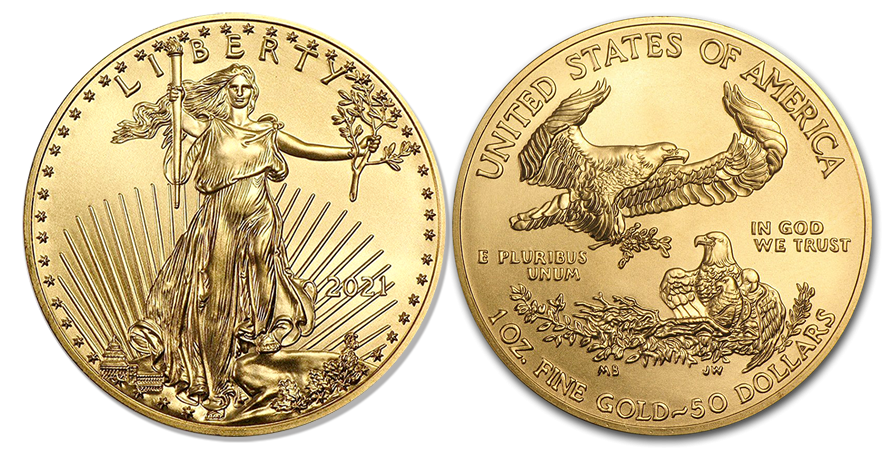
Gold coins are government-minted legal tender, usually 22k or 24k (.9167 or .9999 pure). They carry face value (e.g., $50 for American Gold Eagle) but trade on metal content.
Popular 2026 bullion coins:
- American Gold Eagle (.9167 pure, 1oz)
- Canadian Gold Maple Leaf (.9999 pure)
- South African Krugerrand
- British Britannia
- Australian Kangaroo
Bullion coins vs numismatic/collectible coins: Stick to bullion for investment — lower premiums, higher liquidity. Fractional coins (1/10oz, 1/4oz, 1/2oz) offer divisibility.
Coins feature intricate designs, reeded edges, and government guarantees against counterfeiting. Many come sealed in capsules for protection.
Key benefit: Instant global recognition makes them easier to sell anywhere — from Kampala dealers to international markets.

Gold Bars vs Gold Coins: Side-by-Side Comparison (2026)
Here’s the definitive gold bars vs gold coins table updated for March 2026 pricing:
| Feature | Gold Bars | Gold Coins | Winner (2026) |
|---|---|---|---|
| Purity | .9999 (24k) | .9999 or .9167 (22k) | Bars (pure gold) |
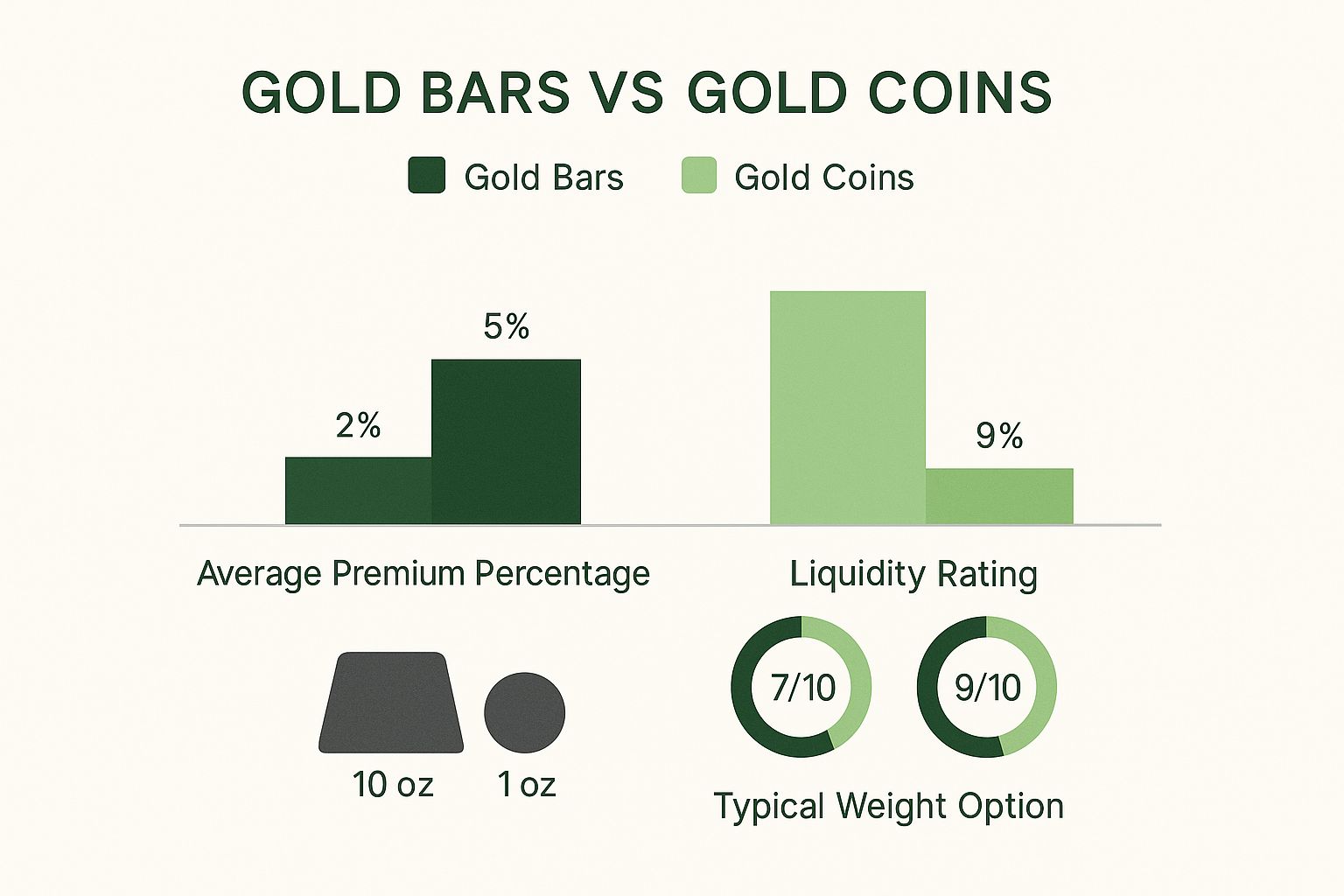
| Premiums over spot | 1–4% ($53–$211/oz) | 3–8% ($159–$423/oz) | Bars |
| Liquidity/Resale | Excellent for large deals | Superior for retail & small sales | Coins |
| Divisibility | Poor (must sell whole bar) | Excellent (fractional available) | Coins |
| Storage/Portability | Efficient stacking, heavier | Easier to carry, need capsules | Tie |
| Collectible Value | Minimal | Some premium on popular designs | Coins |
| Tax Treatment | Same as coins in most countries | Same; legal tender in many places | Tie |
2026 real-world example (at $5,290 spot):
- One 10oz gold bar: ~$53,500–$54,200 total (premium ~2.5–3.5%)
- Ten 1oz gold coins (e.g., Maples/Eagles): ~$54,800–$56,500 total (premium ~4–7%)
- Savings with bars: $800–$2,000+ on a 10oz purchase — money that buys you extra ounces.
Detailed breakdown follows in the next sections.

Premiums & Real Cost Breakdown 2026
At today’s prices, premiums matter more than ever. Here are live March 2026 examples from major dealers (Gold Buyers Africa, JM Bullion/APMEX data):
- 1oz Gold Bar (PAMP/Valcambi): $5,440–$5,510 → premium $150–$220 (2.8–4.2%)
- 1oz Gold Coin (Maple Leaf): $5,430–$5,520 → premium $140–$230
- 1oz Gold Coin (American Eagle): $5,530–$5,650 → premium $240–$360 (higher due to demand)
Larger sizes win big:
- 10oz bar premium per oz often drops to 1.5–2.5% ($80–$132/oz).
Breakeven calculator insight:
- If you plan to hold >5 years and buy >10oz total → gold bars win by 3–5% overall return.
- If buying <5oz or selling in pieces within 2 years → gold coins often better despite higher upfront cost.
Market volatility in 2026 amplifies this: When spot jumps $200 in a week, lower-premium gold bars capture more of the upside.
Liquidity, Resale & Divisibility
Gold coins dominate here. Their government backing and iconic designs mean dealers worldwide buy them instantly — often at tighter spreads than generic bars.
In an economic crisis or Uganda cash crunch, you can sell one 1oz coin quickly for emergency funds.
Gold bars excel for wholesale: Large investors and refiners prefer 10oz+ bars for bulk deals with minimal hassle.
Uganda note: Exporting refined gold bars incurs the $200/kg levy (~$6.22/oz), same for coins. Coins may face slightly easier customs recognition when traveling.
Real-world scenario: 2025 banking stress — coin holders sold fractions at 1–2% below spot within days; bar owners waited for dealer quotes but saved on entry cost.

Storage, Security & Portability
Storing gold bars and gold coins securely in 2026 is essential — at $5,290/oz, even a small holding represents significant value.
The right choice balances accessibility, cost, theft protection, and portability, especially for investors in Kampala or elsewhere in Uganda.
Home safe vs vault/IRA:
1. Home safe
Most popular for Ugandan investors. A high-quality, fireproof, bolted safe (e.g., 50–100kg models from local suppliers or imported brands) offers quick access and no recurring fees.
Ideal for holdings under 50–100oz. Drawback: Higher theft risk if not concealed well or if home security is weak.
2. Bank vault or private vault
Safer for larger stacks (>100oz). Many Ugandan banks (e.g., Stanbic, Standard Chartered) and private facilities in Kampala offer safe deposit boxes or dedicated bullion storage.
Annual fees typically 0.5–1% of value. Provides professional security, insurance options, and peace of mind.
3. IRA / retirement accounts
For long-term holdings, self-directed IRAs (via approved custodians) allow physical gold bars and gold coins storage in segregated vaults. Not common in Uganda but useful for international investors. Must meet purity rules (e.g., .995+ for bars).
Gold bars vs gold coins in storage:
- Gold bars stack efficiently like bricks — one 10oz bar takes far less space than ten 1oz coins. However, they are heavier and bulkier for the same value.
- Gold coins require individual protective capsules or tubes to prevent scratches, dents, or rim damage (which can reduce resale value). They occupy more volume but are easier to handle and count.
Insurance & counterfeiting risks: Insure holdings through home contents policies or specialized precious metals coverage (0.5–1.5% annual premium). Always declare value accurately.
Counterfeiting remains rare for reputable bullion, but vigilance is key:
- Use a Sigma Metalytics tester (non-destructive, detects fakes via conductivity) — many Kampala dealers offer testing.
- XRF analyzers (portable or at dealers) confirm purity.
- Buy only with assay certificates, serial numbers, and mint seals.
Travel & portability tips:
- Small amounts (<$10,000 USD equivalent) — carry discreetly (e.g., coins in a money belt or hidden pouch).
- Larger amounts — declare at customs (Uganda requires declaration for cash/gold >$10,000 equivalent when exiting/entering). Coins often face fewer questions due to recognizable designs.
- Avoid carrying bars internationally unless necessary — heavy and conspicuous. Use insured courier services (Brinks, DHL) for transport.
Bottom line for 2026: Start with a quality home safe + capsules for coins and Sigma verification. Scale to vault storage as your stack grows. Proper security protects your investment from theft, damage, or fakes — ensuring maximum resale value in any scenario.
Need help selecting storage solutions or verifying authenticity? gold bars and gold coins — fully tested, insured options ready for secure Ugandan storage. Contact us for recommendations!

Tax Implications & Legal Considerations Worldwide (incl. Uganda)
Investment gold — including gold bars and gold coins — often receives favorable tax treatment globally as a hedge asset, but rules vary by jurisdiction.
Always consult local authorities or a tax advisor, as regulations can change (e.g., via annual budgets or amendments).
EU/UK (VAT-exempt investment gold): In the European Union and UK, investment gold is exempt from VAT. Qualifying criteria include:
- Gold bars/wafers: Purity of at least 995/1000 (99.5%) and weight accepted by bullion markets.
- Gold coins: Purity of at least 900/1000 (90%), minted after 1800, legal tender in origin country, and selling price not exceeding intrinsic gold value by more than 80%. Popular examples: Krugerrands, Maple Leafs, Gold Eagles, Britannias. This exemption applies to purchases, making physical bullion attractive for EU/UK investors.
United States: No federal sales tax on gold bullion purchases, but many states impose sales tax (rates vary; some exempt bullion/coins above certain thresholds — check state-specific rules for 2026).
On sale, physical gold is classified as a “collectible”: Short-term gains (held ≤1 year) taxed as ordinary income; long-term gains (held >1 year) capped at 28% federal rate (higher than standard 15–20% for stocks). No special exemptions for IRAs holding physical gold (must use approved custodians).
Uganda (2026 considerations): Investment-grade gold bars and gold coins (typically .995+ purity) bought locally from licensed dealers are often low or no VAT (18% standard rate may not apply to exempt investment gold — confirm with URA).
Imports may attract 15% withholding tax on value (common for goods/services; specific to gold imports for refining/re-export in some cases).
Export levies remain key: Refined gold faces a fixed $200 per kilogram levy (unchanged as of early 2026, despite parliamentary debates on low yield vs. high gold prices ~$5,290/oz).
Unrefined gold may see value-based taxes (e.g., 1–5%). Capital gains on sales are reportable under income tax rules (personal rates up to 40%; consult URA for exemptions/allowances).
General advice: Keep detailed records (receipts, assay certificates, purchase dates) for reporting. In Uganda, buy from DGSM/URA-registered dealers to minimize compliance risks and import/export issues.
Verify current rules directly with the Uganda Revenue Authority (URA) or a qualified advisor — especially amid ongoing debates on gold taxation. Proper planning ensures you maximize net returns on your gold bars or gold coins investment.
Ready for tax-efficient buying? Explore our compliant, low-premium options tailored for Ugandan investors — secure and authenticated. Contact us for guidance!
Pros & Cons of Each Format
Gold Bars Pros:
- Lowest premiums → maximum gold per dollar.
- Easy stacking and storage efficiency.
- Pure spot price exposure.
- Ideal for large portfolios (>20oz).
Gold Bars Cons:
- Harder to divide/sell small amounts.
- Less recognizable to casual buyers.
Gold Coins Pros:
- Highest liquidity and divisibility.
- Government guarantee + collectible appeal.
- Fractional options perfect for beginners/gifting.
- Easier resale in Uganda/Africa retail markets.
Gold Coins Cons:
- Higher premiums reduce net ounces.
- Condition sensitivity (scratches lower resale).

Which Should You Buy? Buyer Scenarios & Recommendations 2026
In March 2026, with gold at ~$5,290/oz and forecasts pointing to $6,300 by year-end (per J.P. Morgan and others), the gold bars vs gold coins choice boils down to your specific situation.
Neither format is universally superior — gold bars excel in cost efficiency for larger holdings, while gold coins shine in flexibility and quick resale.
Here’s a practical guide tailored to common buyer profiles, especially for investors in Uganda and Africa.
1. Beginners / Small budget (<$10,000 or ~UGX 38–40 million):
Start with gold coins. Their divisibility lets you buy fractional sizes (1/10oz, 1/4oz, 1/2oz) or 1oz pieces without overcommitting.
Sovereign coins like Canadian Maple Leafs, American Gold Eagles, or Krugerrands offer instant global recognition, easier resale (even locally in Kampala), and lower entry risk while you learn the market.
Premiums are higher (3–8%), but the liquidity and peace of mind outweigh this for first-timers.
2. Large investors / Stackers (>$25,000 or ~UGX 95+ million):
Go heavy on gold bars. Larger sizes (10oz, 1kg) deliver the lowest premiums (1–4%), maximizing ounces per dollar spent. At current prices, a 10oz bar saves ~$800–$2,000 vs ten 1oz coins — money that buys extra gold for compounding gains.
Bars stack efficiently in safes/vaults and suit long-term holds amid 2026’s bullish outlook.
3. Collectors / Gifters:
Choose gold coins. Iconic designs (e.g., Gold Eagles, Maples, Britannias) add aesthetic and potential numismatic appeal beyond melt value. Perfect for gifting family, holidays, or building a themed collection.
4. Retirement / IRA accounts:
Both qualify (check local custodians or self-directed rules). Use bars for core bulk value and coins for easier divisibility when drawing down. In Uganda, focus on physical holdings outside formal IRAs — consult advisors for tax-efficient structures.
5. Uganda / Africa investors:
Prioritize local dealers (DGSM/URA-registered in Kampala) to minimize import hassles, avoid ~15% withholding taxes, and simplify compliance.
Favor gold coins for superior liquidity in regional markets — easier to sell fractions during shilling volatility or emergencies. Combine with bars for cost savings on core holdings.
The winning hybrid strategy for most in 2026: Allocate 70% to gold bars (core, low-premium exposure) and 30% to gold coins (flexible liquidity and divisibility).
This balances maximum gold accumulation with real-world usability — ideal for hedging inflation, geopolitics, and local currency risks.
Quick personalized quiz:
- Budget under $10k or need quick access? → Lean coins (80–100%).
- Investing $25k+ for 5+ years? → Heavy bars (70–80%).
- Want both efficiency and flexibility? → 70/30 hybrid.
- In Uganda/Africa with local resale needs? → Boost coins to 40–50%.
No matter your profile, act strategically — gold’s momentum favors informed buyers. Ready to build your mix? lowest-premium gold bars and liquid gold coins today — secure, authenticated, and optimized for Ugandan investors. Contact us for tailored advice!
How to Buy Gold Bars & Coins Safely in 2026
Buying gold bars and gold coins in 2026 requires caution to avoid counterfeits, scams, or unfavorable deals — especially at spot prices around $5,290/oz.
Whether you’re in Kampala or buying internationally, prioritize reputable dealers, verification, and compliance.
Reputable Dealer Checklist (2026):
- LBMA-approved or government-minted sources for international bullion (e.g., PAMP Suisse, Perth Mint, Royal Canadian Mint).
- Licensed by Uganda’s Directorate of Geological Survey and Mines (DGSM) or Uganda Revenue Authority (URA)-registered for local transactions.
- Physical address in Kampala (e.g., verified offices in Kololo, Kamwokya, or central areas).
- Transparent live pricing, assay certificates, serial numbers, and authenticity guarantees.
- Positive reviews, established history (10+ years preferred), and secure payment/shipping options.
Featured recommendation: Gold Buyers Africa — we offer lowest-premium gold bars and highly liquid gold coins with full LBMA compliance, insured delivery, and Uganda-friendly options.
Shop securely here for verified products at competitive 2026 rates.
Verification Steps:
- Check purity/weight with a Sigma Metalytics tester or XRF analyzer (reputable dealers provide or allow testing).
- Demand assay certificates, serial numbers, and mint seals.
- Weigh and measure against specs (e.g., 1oz bar = 31.1035g).
- Cross-check spot price + reasonable premium (1–4% bars, 3–8% coins) — use live tools from Kitco or our site.
Red Flags to Avoid:
- Premiums too low (<0.5% over spot) — signals fakes or scams.
- Pressure tactics, upfront wire transfers without verification, or unverifiable origins.
- No physical office, poor reviews, or refusal to provide licenses/certificates.
- Cash-only deals from unknown sellers (common scam risk in Uganda).
Online vs In-Person:
- Online — Best for competitive prices, wide selection (e.g., our shop with encrypted checkout, insured shipping via Brinks/DHL). Ideal for international/Uganda buyers.
- In-Person — Preferred for locals; visit Kampala dealers or banks for immediate inspection and cash deals.
Shipping & Insurance: Always use insured, tracked shipping (full coverage for loss/theft). Declare values accurately for customs.
For Uganda imports, expect ~15% withholding tax on non-exempt items; local buys often VAT-exempt for investment-grade gold.
Uganda-Specific Tips: Buy from trusted local exporters/banks or DGSM-licensed dealers in Kampala (e.g., those with physical addresses and export facilitation).
Avoid unregulated miners/sellers — stick to registered entities to minimize import hassles and ensure URA compliance (consult URA for latest on withholding/export levies ~$200/kg on refined gold). Start small to test the process.
Follow these steps, and you’ll acquire authentic gold bars and gold coins securely. Ready to start? — lowest premiums, full authenticity, and tailored for Ugandan investors. Contact us for personalized guidance!

Future Outlook & Final Tips for 2026–2027
As we sit in March 2026 with gold firmly above $5,290/oz, the outlook for the rest of 2026 and into 2027 remains strongly bullish according to major institutions.
Central bank demand continues as a structural powerhouse, with forecasts projecting 755–900 tonnes of official purchases in 2026 (J.P. Morgan and consensus estimates), well above pre-2022 averages of 400–500 tonnes.
This diversification trend—driven by emerging markets reducing dollar exposure—shows no signs of slowing significantly.
Key 2026–2027 price forecasts (updated March 2026):
- J.P. Morgan: $6,300/oz by year-end 2026 (recently raised), with long-term toward $4,500 average but upside scenarios to $8,000+ if investor allocations grow.
- Goldman Sachs: $5,400/oz by end-2026, citing sustained central bank buying (~60 tonnes/month) and private-sector hedging.
- UBS: Targets around $6,200 mid-2026, with solid ETF and official inflows.
- Other views: Wells Fargo at $6,100–$6,300; some bull cases (e.g., BMO) stretch to $6,350+ by late 2026 and higher into 2027 if momentum persists.
While short-term volatility is expected (corrections of 10–15% possible on profit-taking or Fed shifts), the consensus sees gold establishing a new higher floor above $5,000, potentially averaging $5,500–$6,000 in 2027 amid ongoing geopolitics, inflation hedging, and debt concerns.
Diversification advice for Ugandan and global investors:
- Allocate 5–15% of your portfolio to physical gold (bars for core value, coins for liquidity) as a hedge against shilling volatility, inflation, and global uncertainty.
- Use dollar-cost averaging — buy fixed amounts monthly to smooth premiums and capture dips.
- Rebalance annually: If gold surges past 15–20%, trim to lock profits; if it pulls back, add opportunistically.
- Stick to the hybrid strategy (70% bars + 30% coins) for balanced exposure.
- Monitor central bank data (World Gold Council reports) and local URA rules for tax-efficient holding.
Gold’s role as “real money” in uncertain times positions it for continued strength. Secure your position now—whether stacking more ounces or diversifying further—before the next leg up. Track live prices and consult trusted dealers for personalized moves.
Frequently Asked Questions (FAQ)
Are gold bars better than coins for investment?
Bars win on cost for large buys; coins win on flexibility. Hybrid often best in 2026.
What are current premiums in 2026?
Gold bars 1–4%; gold coins 3–8%. Shop around — differences of $100+/oz are common.
Can I buy gold bars in Uganda tax-free?
Yes — investment-grade bars/coins bought locally are typically VAT-exempt. Confirm with URA and keep records.
Storage costs comparison?
Bars cheaper per ounce in vaults (better density). Expect 0.5–1% annual insurance/storage fee either way.
Which is easier to sell in Uganda?
Gold coins — higher recognition among local buyers and jewelers.
Are fractional coins worth it?
Yes for beginners or gifting — but premiums are higher (up to 10–15%).
Do gold bars come with certificates?
All reputable bars include assay certificates verifying purity/weight.
Is it better to buy now or wait?
With forecasts to $6,300, locking in at $5,290 is smart — but use dollar-cost averaging.
Can I put gold bars or coins in an IRA?
Yes — both qualify if held in approved custodians (check local rules).
What size should beginners buy?
Start with 1oz gold coins or 1oz/10oz bars.
How do I verify authenticity?
Use Sigma tester, weight/measure, or dealer XRF. Buy only from trusted sources.
Hybrid strategy details?
70% bars for core value + 30% coins for liquidity = optimal for most 2026 portfolios.
Conclusion
In the gold bars vs gold coins debate of 2026, there is no single winner — but the smart hybrid approach (70% bars + 30% coins) delivers the best of both: lowest entry cost plus maximum flexibility.
At $5,290/oz with forecasts heading toward $6,300, every ounce you own today is poised for strong gains.
Start building your 2026 gold portfolio today. lowest-premium gold bars and highly liquid gold coins — secure, insured, and ready for Ugandan and international investors.
What are your investment goals? Comment below or contact us for a personalized recommendation. Secure your wealth before the next rally.