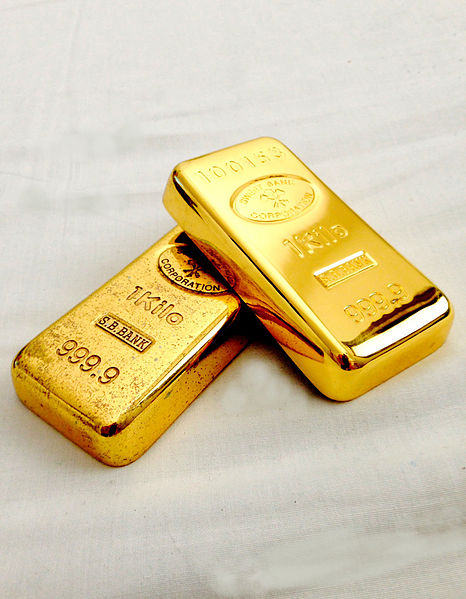
Buy Gold In Ghana – Safe, Legal & Trusted Gold Investment Guide (2025)
Buy Gold in Ghana and you’re tapping into one of the richest gold markets in Africa — and the world. Known as the “Gold Coast” during colonial times, Ghana continues to be a global leader in gold production, ranking as the largest gold producer in Africa and among the top 10 globally. With over 130 years of mining history, the country offers unique opportunities for both local and international investors.
In 2022 alone, Ghana produced approximately 3.7 million ounces of gold, driven by both large-scale mining operations and artisanal small-scale miners (ASMs).
The country’s gold sector is backed by a relatively stable political environment, growing foreign investment, and well-established institutions like the Precious Minerals Marketing Company (PMMC) and the Minerals Commission of Ghana, which regulate and legitimize gold trade.
This guide is designed to help you buy gold in Ghana safely, legally, and profitably — whether you’re looking for physical gold (bars, dust, nuggets) or investment opportunities. We’ll walk you through the gold buying process, legal requirements, trusted dealers, pricing, and how to avoid common scams that have trapped many inexperienced buyers.
Whether you’re a seasoned investor, a jewelry maker, or someone new to the gold business, this article offers the latest insights for 2025 to help you make informed, secure decisions when buying gold in Ghana.
Let’s explore how to get started the right way.
Why Buy Gold in Ghana?
Ghana has established itself as one of the most reliable and profitable destinations for gold investors worldwide. Whether you’re looking to diversify your portfolio or enter the physical commodities trade, gold investment in Ghana offers unique advantages that are hard to find elsewhere.
Below are the key reasons why buying gold in Ghana is a smart and strategic decision:
1. Ghana is Africa’s Top Gold Producer
Ghana surpassed South Africa in recent years to become the largest gold producer in Africa, with an annual output of over 3.7 million ounces.
The country’s gold reserves are abundant and diverse, spread across multiple regions including Ashanti, Western, and Eastern Ghana.
The presence of both large-scale multinational mining companies and small-scale artisanal miners creates a competitive and accessible Ghana gold market for buyers of all levels.
2. Attractive Investment Opportunities
Gold in Ghana is not just a natural resource—it’s a major economic driver. The country’s mining industry contributes nearly 40% of its total export earnings, and demand for gold continues to rise both locally and internationally. Investors can benefit from:
-
Competitive pricing due to local sourcing
-
Opportunities in refining, trading, and exporting
-
Flexibility in choosing between raw gold, bars, or nuggets
Whether you’re investing directly in physical gold or partnering with gold dealers in Ghana, there is ample room for growth and profit.
3. Supportive Regulatory Environment
Ghana’s mining laws are among the most investor-friendly in Africa. The sector is regulated by institutions like the Minerals Commission and the Precious Minerals Marketing Company (PMMC), which provide clear guidelines for registration, licensing, and exports.
Foreign investors are legally protected and allowed to own and export gold under the proper documentation, ensuring that all transactions are legitimate and secure.
4. Booming Gold Export Market
Ghana’s gold exports continue to grow, driven by strong global demand and increasing trust in the country’s regulatory framework.
The government has streamlined export processes to make it easier for verified dealers and investors to ship gold overseas with minimal delays. This export potential makes Ghana not just a buying market, but a strategic trading hub for gold investors worldwide.
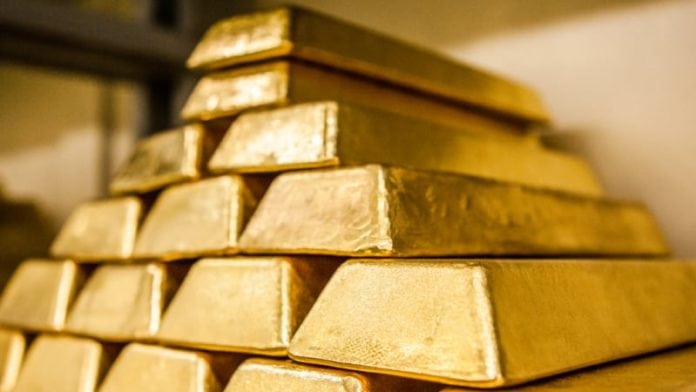
Gold Prices in Ghana: What to Expect in 2025
When you plan to buy gold in Ghana, keeping a close eye on the gold price per gram in Ghana and how it compares internationally matters immensely.
Here’s a clear breakdown of current rates, how they stack up globally, and what to expect for Ghana gold price 2025.
Current Price Snapshot
-
In Ghana, the price for 1 gram of 24 K gold is about GHS 1,595, which translates to roughly USD 133.22.
-
For 1 troy ounce of gold, the Ghana price is around GHS 49,609, equivalent to approximately USD 4,143.
-
These figures reflect the local market conditions in Ghana, including currency exchange rate effects, local demand, and dealer premiums.
Local Market vs. International Prices
Globally, gold is priced in USD and fluctuates based on global supply, demand, inflation, and currency values. Ghana’s rates are influenced by two key extra factors: the exchange rate of the Ghana Cedi (GHS) to USD and local premiums (refining costs, import/export duties, local dealer margins). Thus:
-
Even if the international spot price remains stable, a weakening cedi will push the Ghana gold price per gram higher in local‑currency terms.
-
Conversely, if international gold prices rise, Ghana’s local price in USD terms will tend to rise too — but the cedi’s strength/weakness can amplify or suppress the effect.
-
As a result, buyers in Ghana might pay more (in USD or equivalent) than the strict international spot price because of local factors.
Forecast for 2025
What should you expect for the Ghana gold price 2025? While no one can predict perfectly, here are key take‑aways:
-
Global analysts anticipate gold’s upward trend will continue in 2025 due to inflation pressures, geopolitical uncertainty, and persistent safe‑haven demand.
-
If global gold hits, say, USD 3,500‑4,000 per ounce or more, Ghana’s local price in USD terms will likely rise accordingly — likely above USD 140‑150 per gram, assuming current exchange dynamics.
-
In Ghana cedi terms, if the cedi depreciates or remains weak, the local price per gram could climb significantly beyond the current GHS 1,595 level.
-
However, risks exist: if interest rates rise sharply (reducing gold’s appeal) or the cedi strengthens unexpectedly, the climb may be muted or even reversed.
Key Takeaways for Buyers
-
Use the current baseline of ~USD 133 per gram (GHS 1,595/g) as a reference point when negotiating or budgeting.
-
Expect higher entry costs later in 2025 if global and local factors align upward.
-
Monitor both the international gold price AND the GHS/USD exchange rate because both drive Ghana’s local price.
-
Plan accordingly: buying sooner could hedge against further increases, but only if the transaction is legitimate and the gold is verified.
Why You Should Buy Gold in Ghana?
- Rich Gold Reserves. Ghana is Africa’s largest gold producer offering access to high-quality gold bars and nuggets.
- Competitive Prices. Ghana has many gold dealers there is a lot of competition which has led to gold prices in Ghana being more favorable compared to other markets.
- Investment Opportunities. Gold from Ghana is valuable and stable and can protect your wealth against inflation and economic downturns.
- Trusted Local Sellers. Ghana is known for its clear guidance when you buying gold are you can connect with certified and reputable gold dealers
- Legal and Secure Processes. Ghana has favorable legal regulations and a secure process connecting you to the right partner so that your transactions will be legally compliant and secure.
How to Buy Gold in Ghana: Step-by-Step Guide
Understanding how to buy gold in Ghana is essential for both first-time and seasoned investors. Ghana’s gold industry is vast and dynamic, offering a variety of gold products and buying options — but it also requires careful navigation to avoid scams, legal issues, or poor-quality purchases.
Below is a comprehensive, step-by-step guide to help you successfully navigate the Ghana gold buying process in 2025.
Step 1: Decide What Type of Gold to Buy
Ghana’s gold market offers several forms of gold for purchase, depending on your investment goals:
-
Gold Bars (Bullion) – Highly purified, standardized weights. Ideal for large-scale investors or those planning to export gold legally.
-
Gold Nuggets – Naturally occurring pieces of gold, often bought by collectors or small-scale investors.
-
Gold Dust – Fine particles of gold often sourced from small-scale miners. Requires refining and is riskier due to purity concerns.
Each type has different levels of purity, pricing, and risk. For secure investment, gold bars certified by the Precious Minerals Marketing Company (PMMC) are the most recommended option.
Step 2: Find Reliable and Licensed Gold Sellers
The most crucial part of the Ghana gold buying process is finding legitimate, licensed dealers. Look for sellers who meet the following criteria:
-
Registered with the Minerals Commission of Ghana
-
Certified by the PMMC
-
Have a physical office, website, and verifiable trade history
-
Offer official documentation such as invoices, assay reports, and export permits
Avoid street brokers or online dealers with no verifiable presence — they are often linked to scams. You can cross-check licensed sellers directly on the PMMC or Minerals Commission websites.
Step 3: Conduct Due Diligence Before Payment
Even if a dealer appears reputable, you must carry out your own due diligence:
-
Request documentation – License, registration, and past transaction records
-
Visit their office – Physical verification reduces the chance of fraud
-
Test the gold – Use PMMC services or independent assay labs to verify purity and weight
-
Use references – Ask for testimonials or check reviews from previous buyers
Many scams in Ghana revolve around falsified documentation or fake gold dust, making this step essential before proceeding with any payment.
Step 4: Choose a Secure and Legal Payment Method
Once you’re satisfied with the legitimacy of the seller and the quality of the gold, proceed with a secure payment method. Recommended options include:
-
Bank Transfers – Always use traceable payments; avoid cash transactions
-
Letters of Credit (L/C) – For high-value international purchases, this is the safest option
-
Escrow Services – Use PMMC or third-party escrow agents licensed in Ghana
Avoid paying any “upfront fees” without verified contracts and documentation. If you’re purchasing as a foreigner, ensure your payment channel complies with Ghana’s Financial Intelligence Centre (FIC) regulations.
Step 5: Receiving or Exporting the Gold
If you’re buying gold for export, the final step in the Ghana gold buying process involves securing the proper logistics and documentation:
-
Export Certification – All gold exports must be certified by the PMMC, which ensures purity, weight, and legal ownership
-
Shipping & Logistics – Use a PMMC-approved shipping agent or reputable logistics company
-
Customs Clearance – Ensure your export is reported to the Ghana Revenue Authority (GRA) and follows all customs protocols
-
Insurance – Insure the gold shipment to protect against theft or damage in transit
For local buyers, the gold can be collected in person or delivered by secure courier once all verification and payment steps are completed.
Final Tips:
-
Work only with licensed gold dealers.
-
Never skip verification steps.
-
Always use traceable, secure payment methods.
-
Ensure PMMC involvement for legal export.
By following this step-by-step process, you can buy gold in Ghana with confidence, whether you’re purchasing for resale, investment, or long-term storage.
Tips for Buying Gold in Ghana
- Verify Seller Credentials. Always before buying make sure to Work only with certified dealers to avoid scams ask for all necessary documents to verify his credentials
- Understand Market Trends. Always understand the world’s current gold prices this helps you to stay connected for better negotiation.
- Partner with Experts. Always choose trusted companies and experienced like Gold Buyers Africa to ensure a smooth process.
- Check Gold Purity. Before buying always ask for gold’s purity tests to confirm the quality of gold you are buying meets international standards obtain all necessary documents to prove the purity of your gold
- Follow Legal Guidelines. Always ensure all transactions comply with Ghana’s gold export laws this will help have a successful gold trade.
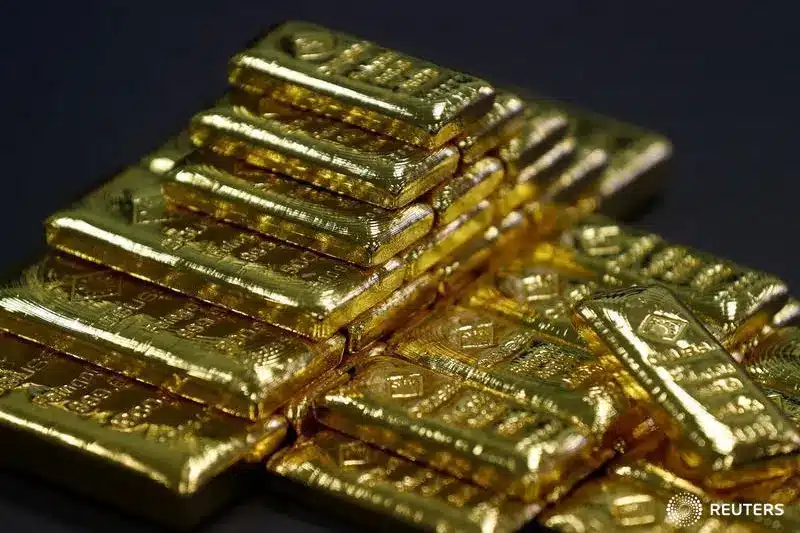
Trusted Gold Dealers & Companies in Ghana
When engaging in gold transactions in Ghana, working with trusted gold dealers Ghana is non‐negotiable. Below are five reputable companies you should consider — each with a location, website, and review notes — followed by a practical verification tip using the PMMC.
1. Gold Coast Refinery Ltd
Location: Gate 44, Kotoka International Airport Free Zone, Accra.
Why trusted: This is the first full‑scale gold refinery in West Africa capable of refining to 999 + purity, certified to the RJC Code of Practices (linked to the Responsible Jewellery Council and by extension the London Bullion Market Association).
Products/services: Smelting, assaying, bar manufacturing, vaulting, export services.
Review note: Because of its depth of refinery operations and certification, it’s one of the stronger names for bulk buyers.
2. AsanSka Minerals Ltd (formerly AsanSka Jewellery Ltd)
Location: AsanSka House, 648/4 Royal Castle Road, Kokomlemle, Accra.
Why trusted: Licensed by the Registrar General’s Department and operating as a gold trading, refinery and export company in Ghana.
Products/services: Buying/selling gold bars (all mints/sizes), refining services, export logistics.
Review note: Strong local footprint, though some earlier negative review under jewellery segment — worth verifying current operations.
3. Gold Buyers Africa Limited
Location: Though Uganda‐based (Kampala) with operations in Ghana mentioned (Ghana, Ghana’s Kumasi region).
Why trusted: Emphasises ethical sourcing, full export documentation and international logistics.
Review note: Good for buyers looking at multi‑country sourcing; verify Ghana‑specific licencing and Ghana operations.
4. Gold Prices in Africa Ltd
Location: Accra (Airport Area) – Ghana.
Why trusted: Listed among PMMC‑licensed exporters; offers 24K bars, nuggets, and transparent pricing.
Review note: Suitable for those looking for smaller quantities or export‑ready documentation.
5. Gudiepa Ghana Limited
Location: Ghana (exact address per website).
Why trusted: Trades in gold dore bars, provides gold trading and export services, emphasises secure transactions.
Review note: While not as large as major refineries, notable for export facilitation.
Tips for Verifying Dealers via PMMC Ghana Gold
-
Ask the dealer for their PMMC licence number or registration with the Minerals Commission of Ghana. If they claim to be licensed by PMMC, cross‑check directly with PMMC.
-
Request to see official documentation: assay reports, export clearance, invoices. Scams often feature fake documents.
-
Prefer dealers who allow you to see the gold, have a physical office, and are willing to conduct your transaction at recognised testing/assay/refinery centres — e.g., PMMC or affiliated labs.
-
Check whether the brand or refiner has international certifications (e.g., RJC, LBMA recognition) which indicate stronger compliance and traceability. Example: Gold Coast Refinery’s RJC certification.
By choosing dealers from the list above and following the verification tips, you’ll significantly reduce risks and be better positioned to transact with confidence in the Ghana gold market. If you’d like, I can pull together 10 more verified dealers (with full profiles) for your article.
Gold Market places To Buy gold in Ghana
- Accra: Being the capital city and a major business center of Ghana, Accra is featured with a great deal of gold dealers found on the gold streets and in its major markets namely the Accra Gold Market.
These offer competitive gold market prices in their various forms, shapes, and purity meeting all consumers’ needs. They can conveniently and safely be accessed through a reputable local dealer who is well-versed with all their networks.
- Kumasi: Known for its rich history in gold mining, Kumasi is featured with a great deal of gold markets spread out in different regions offering gold in various forms, weights, and purity.
- Kukua Gold Refinery: Another reputable gold seller offering both raw and refined gold products. Online Platforms:
- Ghana Gold Corporation (GGC): Located in the heart of Ghana, Accra, GGC offers a range of gold bullion products which include gold bars, dust, rounds, and jewelry.
- Ghana Gold Exchange: This is an online Ghana gold platform that connects potential buyers with reputable sellers. It also offers clients with deep insights into the gold market trends.
Legal Requirements and Documentation
To ensure a smooth and secure transaction when dealing in gold, understanding the legal gold buying process in Ghana is critical. Ghana has well-established regulations to protect both local and foreign investors, and failing to comply can lead to significant legal consequences, including the confiscation of gold or prosecution.
Licenses Required to Trade or Export Gold
To legally trade or export gold in Ghana, individuals or companies must obtain the following licenses:
-
Gold Export License: Issued by the Minerals Commission of Ghana, this license is mandatory for any entity intending to export gold legally. It is granted only after strict due diligence and verification.
-
Business Registration Certificate: All gold trading companies must be registered with the Registrar General’s Department.
-
Tax Identification Number (TIN): Required for taxation and customs clearance purposes.
-
PMMC Certification: The Precious Minerals Marketing Company (PMMC) must assay and certify all gold intended for export. Without PMMC’s stamp of approval, no gold shipment can legally leave the country.
Role of the PMMC and Minerals Commission
-
The PMMC Ghana is responsible for the assaying, certification, and valuation of all gold before export.
-
The Minerals Commission oversees licensing and compliance, ensuring that only qualified and transparent businesses are allowed to operate in the gold sector.
Both institutions work together to regulate and legalize gold transactions, ensuring buyer protection and preventing illegal mining and smuggling.
How to Avoid Legal Trouble
-
Never deal with unlicensed gold sellers.
-
Always request to see the export license and PMMC documentation.
-
Conduct transactions in the presence of PMMC officials or at their office when possible.
-
Ensure all payments and contracts are documented and legally binding.
Following these legal guidelines guarantees a smooth, safe, and legally compliant gold buying experience in Ghana.
Documents Required to Export Gold from Ghana
Exporting gold from Ghana is a simple and convenient process if done adhering to the local regulations. It requires a few specific documents and these include;
- Export License: This is obtained from the Ghana Minerals Commission, which regulates the exportation of precious mineral resources.
- Export Declaration Form: This form needs to be completed and submitted to the Ghana Customs Division.
- Certificate of Origin: This is Issued by the Ghana Chamber of Commerce and Industry. It is used to certify the gold origin.
- Tax Clearance Certificate: This is acquired from the Ghana Revenue Authority (GRA). It helps to prove that all the gold taxes related to a specific transaction have been cleared.
- Bill of Lading: This document is issued by the logistics shipping company and details the shipment of gold.
- Purchase Agreement: A formal contract between the buyer and seller outlining the terms of the gold sales. Buy Gold in Ghana
Where to Sell Gold in Accra
- Accra Gold Market: A central location for gold trading in Accra, where sellers can find numerous buyers and dealers.
- Ghana Gold Exchange: Offers a physical marketplace for selling gold in whatever kind of form at competitive prices.
- Gold Coast Exchange: This is another reliable option for selling physical gold, known for its transparent trading processes.
Gold Jewelers Accra: There is a variety of jewelry stores in Accra streets and malls dealing in selling of precious luxury made out of precious metals like gold. These are potential buyers of physical gold in whatever kind of form.
Precious Minerals Marketing Company (PMMC): Besides issuing export permits, PMMC also buys physical gold in whatever kind of form directly from sellers.
Gold Licensing in Ghana
The gold industry in Ghana is regulated by several bodies which include
Ministry of Lands and Natural Resources, Ghana Minerals Commission, Precious Minerals Marketing Company. These work hand in hand to ensure proper management and compliance with legal standards:
The Ministry of Lands and Natural Resources is responsible for the regulation of the mining industries of Ghana.
The Ghana Minerals Commission is responsible for issuing licenses to mining operations and export licenses to potential buyers.
The Precious Minerals Marketing Company (PMMC) is in charge of regulating the physical gold market and gold exportation. it ensures that all gold transactions are transparent and legit adhering to the laws and regulations.
How to Avoid Scams When Buying Gold in Ghana
Ghana is rich in gold resources, attracting investors and buyers from around the world. However, the country has also become known for its rising number of fraudulent gold dealings. If you’re looking to buy real gold in Ghana, it’s important to be aware of common scams and know how to verify authenticity.
Common Gold Scams in Ghana
One of the most frequent scams involves selling fake or low-purity gold as high-grade bullion. Some scammers also use forged documents, such as fake assay reports or export permits, to appear legitimate. In many cases, fraudsters pose as licensed dealers or representatives of small-scale mining companies, only to disappear after receiving payment.
Red Flags to Watch For
To avoid falling for a gold scam in Ghana, be cautious of sellers who:
-
Offer unusually low prices
-
Push for quick deals without due diligence
-
Insist on meeting in private or remote areas
-
Refuse to provide verifiable licenses or documentation
Another warning sign is the demand for upfront fees before any official gold testing or transaction takes place. Trustworthy dealers will always allow verification first.
How to Verify Gold Authenticity
Before buying, ensure the gold is tested by an independent, certified assayer or at the Precious Minerals Marketing Company (PMMC) in Ghana. Ask for and verify the assay report, export license, and seller’s registration with Ghana’s Minerals Commission. Knowing how to spot fake gold using acid tests or gold testing machines can also help, though official verification is strongly recommended.
In summary, to buy real gold in Ghana safely, work only with licensed exporters, verify all documents, and never rush into a deal. Staying informed and alert is the best protection against scams.
Why You should choose Gold Buyers Africa
- Verified Gold Dealers. We connect you to all certified gold sellers in Ghana to ensure you get authenticity and quality gold from gold sellers.
- Expert Guidance. Gold Buyers Africa has a team of experts who provide step-by-step support, from sourcing gold to transportation and connecting you to authentic gold sellers in Ghana.
- Secure Transactions. Gold Buyers Africa sets the safety of your gold investment choice with secure payment and all necessary documents to safely guide you during the processes.
- Customs Clearance Assistance. Gold Buyers Africa handles all export documentation to ensure compliance with Ghana’s regulations to avoid delays when transporting your gold from Ghana.
- Affordable Pricing. Gold Buyers Africa offers competitive rates while maintaining the highest standards of gold quality.
Frequently Asked Questions
1. Who regulates gold buying and trading in Ghana?
-
The main regulatory body now is the Ghana Gold Board (“GoldBod”), established under the Ghana Gold Board Act, 2025 (Act 1140).
-
GoldBod has become the sole buyer, seller, assayer and exporter of gold produced by licensed artisanal and small‑scale miners in Ghana.
-
All previous licences issued by the former body (the Precious Minerals Marketing Company, PMMC) for buying/dealing in gold (for individuals/entities other than large‐scale mining companies) have ceased to be valid.
2. Can anyone buy gold in Ghana?
-
Buying gold is not completely open to anyone: you must deal with the correct licenced entity under GoldBod’s oversight. According to the FAQ on GoldBod’s site: “No, you cannot buy gold without a license in Ghana.
-
If you’re not a licenced buyer (or you’re a foreigner/trader not authorised), you may be prohibited from purchasing or trading gold. For example: foreigners were banned from trading in the local gold market from 1 May 2025 under the new arrangement.
3. What licence or permit is required to buy gold?
-
If you intend to be a “buyer” (i.e., purchase gold from a licensed miner or aggregator for onward sale) under GoldBod, you’ll need a Buyer Licence (Tier 2). The licence application requires company/business particulars, directors, police clearance, disclosure of other business interests, etc.
-
For casual/consumer purchases (e.g., buying jewellery or a gold bar), the exact regulation may differ, but you still must ensure you’re dealing with a licenced/legitimate seller.
4. What changes have been introduced recently?
-
Effective from the Act (2025), GoldBod is the exclusive buyer/exporter for the artisanal and small‑scale mining (ASM) sector.
-
Licences previously issued by PMMC (for non‑large scale mining companies) are invalid.
-
Local transactions must be done in Ghanaian cedis and at a price calculated using the Bank of Ghana Reference Rate.
-
Foreigners are, under the new rules, restricted from local gold trading unless they apply via GoldBod – the change aims at curbing illegal trade, boosting revenue, preventing smuggling.
5. What are some key risks or “gotchas” when buying gold in Ghana?
-
Legitimacy of the seller: If the seller is not licenced or doesn’t comply with GoldBod’s regulations, you may end up with “grey” gold (e.g., smuggled, illegally mined) which can lead to legal and financial risk.
-
Documentation: Insist on full documentation (origin of gold, assay/purity certificate, seller licence status) — this guards against future problems.
-
Currency & pricing: Be aware that local trades are required in Ghana cedis under certain categories; exchange rate fluctuations can affect value.
-
Export or unit‑ownership limitations: If you plan to export gold, you must check export permissions and the chain of custody. The regulations above indicate the exporter role is under GoldBod/licenced entities.
-
Purity & assay: Gold bars/nuggets etc must have documented assay/purity or you risk paying for lower‑quality material.
-
Changes in law/regulation: The 2025 changes show that laws can shift; what’s legal now may change, so stay updated.
6. How do I verify a gold purchase is legal / compliant?
-
Verify the seller has a valid GoldBod licence (if required) or is a licenced aggregator/buyer.
-
Check that the gold comes from a licenced miner / legal supply chain.
-
Ensure that the transaction is properly documented: invoices, assay certificates, chain of custody.
-
Confirm the sale is in accordance with local regulations (e.g., currency, pricing basis) and you understand any export requirements if you plan to move the gold out of Ghana.
-
If you’re not sure, consult GoldBod’s official FAQ or contact their office for guidance.
7. Can foreigners buy gold in Ghana?
-
Under the new regime (Act 1140, 2025) foreigners are generally excluded from local gold trading in the artisanal & small‑scale sector, unless they apply to GoldBod.
-
There was a transition/grace period (until 30 April 2025, and extended to 21 June 2025 for some provisions) for existing licences.
-
If you’re a foreigner wanting to purchase gold (especially for export or investment), you should check the current status: whether you can purchase via a licenced Ghanaian entity or via GoldBod’s approved channels.
8. What about exporting gold purchased in Ghana?
-
Export of gold (especially from ASM sector) is tightly regulated: only GoldBod or its licensed exporters may export.
-
If you purchase gold in Ghana but plan to take it abroad, you must ensure you have all export documentation and authorisation; otherwise you risk seizure or legal issues.
-
Also, when gold crosses borders, duties/customs, export permits, and source documentation matter.
9. What practical tips should I follow when buying gold in Ghana?
-
Always inspect the gold or have it independently assayed for purity.
-
Get written receipts and certificates indicating weight, purity, seller identity, date, etc.
-
Ensure the seller or buyer is licenced/registered with GoldBod or otherwise legal.
-
If you’re investing (rather than jewellery/gifting), treat it like an asset: understand storage, security, liquidity (how easily you can sell).
-
Check current gold price benchmarks and ask how the price is calculated locally (especially if using cedis and referencing Bank of Ghana rate).
-
Be cautious of “too good to be true” deals: unreasonably low prices may indicate illicit gold.
-
Keep records: if later you wish to sell or export, documented provenance helps.
-
Consider local tax implications: although buying gold is not inherently taxable, profits on selling may have tax consequences depending on use.
-
Stay updated: given recent regulatory reforms, the legal framework may evolve.
10. Is it safe to buy gold in Ghana?
Yes — it can be safe — provided you deal through proper/licenced channels, verify the legal status of the transaction, understand the regulatory environment, and take the necessary precautions (documentation, assay, seller legitimacy). The red‐flags will be: no documentation, unlicenced seller, unclear origin, cash in odd circumstances, export plans without proper authorisation.
Because of the recent changes under the Ghana Gold Board Act, the landscape has shifted, so extra vigilance is wise.
Conclusion:
Buying gold in Ghana can be a legitimate and profitable venture — but only if done legally, transparently, and with proper due diligence. The country has recently overhauled its gold trading system through the Ghana Gold Board Act (2025), which now centralizes control over artisanal and small-scale gold trading and exports.
To avoid legal, financial, or reputational risks:
-
Only buy from licensed and verified sellers.
-
Ensure all transactions are well-documented.
-
Understand and follow the new GoldBod regulations.
-
If you’re a foreign buyer, know the strict limitations now in place.
Failing to follow the rules — or cutting corners — can lead to confiscated assets, loss of funds, or even criminal charges. Ghana is cracking down hard on illegal gold trade and smuggling. So if you’re serious about investing or trading in gold in Ghana, do it right — or don’t do it at all.