
Buy Gold in Switzerland from Africa: Secure, Certified & Profitable in 2025
Buy gold in Switzerland from Africa to benefit from some of the world’s richest gold reserves at competitive prices. African countries like Ghana, Uganda, and Mali produce high-purity gold bars, nuggets, and dust, making them ideal sources for Swiss investors and refiners.
Buying directly from licensed African gold dealers like us, ensures authenticity, legal compliance, and SGS certification, reducing risks of fraud. Switzerland offers favorable tax treatment with zero VAT on investment-grade gold, making imports cost-effective.
Secure shipping and transparent pricing further simplify the process. For investors seeking quality and value, buying gold in Switzerland from Africa presents a smart, profitable opportunity.
Types of Gold Available from Africa
Refined Gold Bars:
These are high-purity bars, typically 99.5% to 99.99% pure (24 karat), produced by reputable refineries. They are stamped with the refinery’s mark, weight, and purity, often meeting the London Bullion Market Association (LBMA) Good Delivery standards.
Dore Bars:
These are semi-refined or unrefined bars, typically ranging from 80% to 95% purity. Dore bars are less processed and often sourced directly from mines, making them cheaper but requiring further refining.
Gold Nuggets:
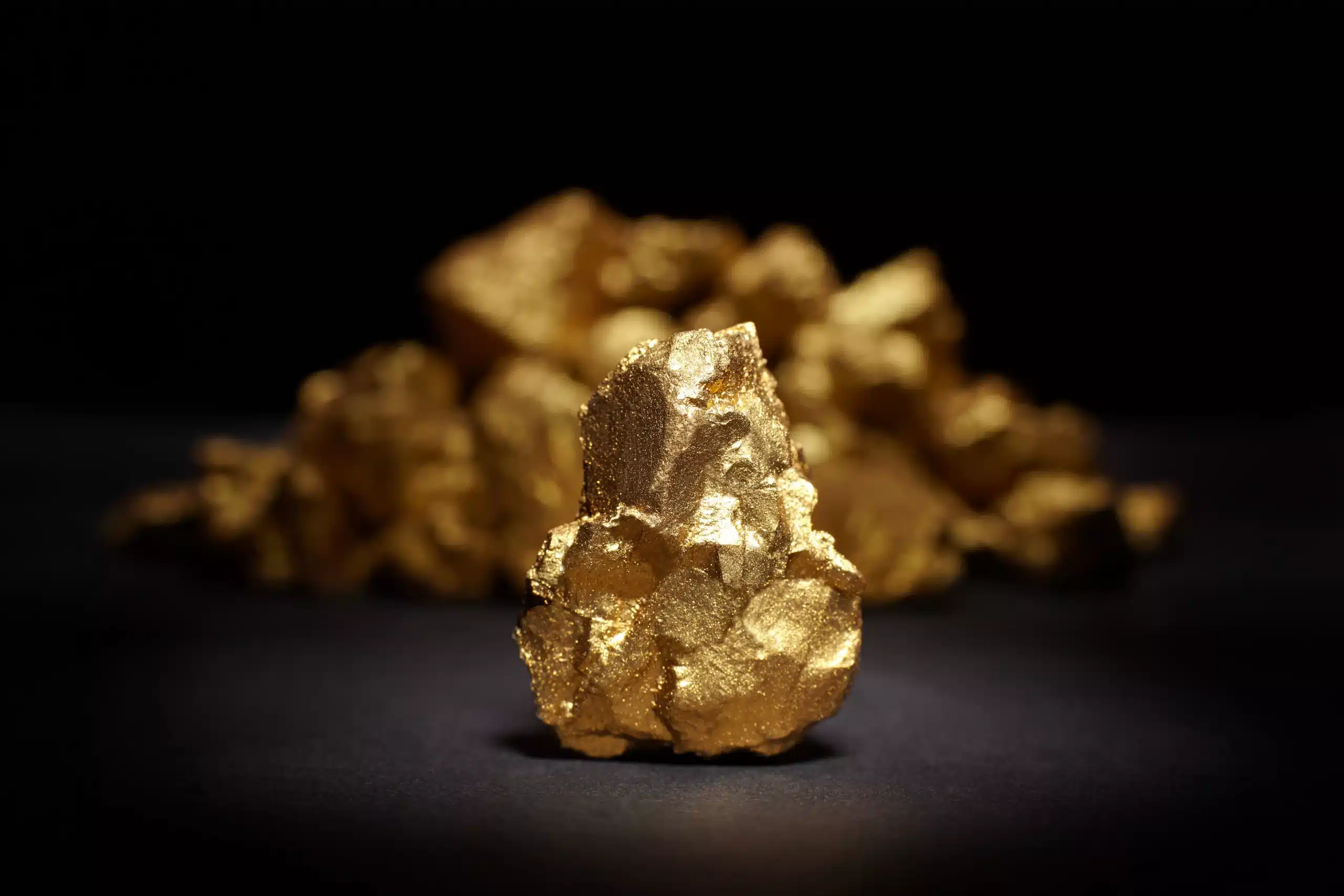
Naturally occurring gold pieces, often found in alluvial deposits. Nuggets are unrefined and vary in purity (typically 90%–95%) but are prized for their unique shapes and natural appeal. They are popular among collectors and investors seeking tangible assets.
Gold Dust:
Fine gold particles collected during mining, often unrefined with purities ranging from 80% to 90%. Gold dust is typically sold by weight and requires refining to achieve investment-grade purity. It’s a cost-effective option for buyers willing to invest in refining.
Gold Coins:
Some African countries, like South Africa, produce investment-grade gold coins such as the Krugerrand, which is 91.67% pure (22 karat) and widely recognized globally. These coins are VAT-exempt in Switzerland if minted by a government authority.
Artisanal Gold:
Sourced from small-scale or artisanal miners, this gold is often unrefined and sold in raw forms like nuggets or dust. While cheaper, it requires careful verification to ensure authenticity and ethical sourcing.
Refined vs. Unrefined Gold
Refined Gold
Characteristics:
Refined gold typically has a purity of 99.5% or higher, often reaching 99.99% (24 karat). It is processed in professional refineries such as PAMP, Valcambi, and Argor-Heraeus in Switzerland, where all impurities are removed. Refined gold is commonly available in the form of bars or coins, clearly stamped with purity, weight, and refinery marks.
Advantages:
-
Meets international standards such as the LBMA Good Delivery List, ensuring global acceptance.
-
VAT-exempt in Switzerland when classified as investment-grade (bars ≥ 995/1000 purity; coins ≥ 900/1000).
-
Highly liquid and easy to trade, sell, or store in Swiss vaults.
Disadvantages:
-
Higher cost due to refining fees and premiums charged by refineries.
Unrefined Gold (Dore Bars, Nuggets, Dust)
Characteristics:
Unrefined gold generally has a purity of 80% to 95% and may contain impurities such as silver, copper, or iron. It is often sourced directly from mines or artisanal operations and must be refined to meet investment-grade standards.
Advantages:
-
Lower purchase price, often 5% to 10% below the international spot price, making it attractive to budget-conscious buyers.
-
Potential for higher returns if refined and resold at a premium.
Disadvantages:
-
Requires additional refining to reach 99.5% purity or higher.
-
Higher risk of fraud or misrepresentation, demanding strict due diligence and reliable testing.
-
May not qualify for VAT exemptions in Switzerland unless refined to meet legal purity thresholds.
Legal Requirements for Buying Gold from Africa to Switzerland
Importing gold from Africa to Switzerland involves navigating both Swiss and African regulations to ensure compliance and avoid legal issues. Below are the key legal requirements:
Swiss Regulations:
Licensing: Gold imports must be handled by dealers registered with the Swiss Financial Market Supervisory Authority (FINMA). Buyers should work with licensed dealers or refineries to ensure compliance.
Know Your Customer (KYC): For purchases exceeding CHF 15,000, Swiss dealers are required to verify the buyer’s identity and record transaction details to combat money laundering. Anonymous cash transactions are limited to CHF 14,999.
Declaration at Customs: Gold must be declared upon entry into Switzerland if requested by customs authorities. Investment-grade gold (≥ 995/1000 purity for bars, ≥ 900/1000 for state-minted coins) is typically exempt from import duties and VAT.
Ethical Sourcing: Switzerland emphasizes responsible sourcing. Buyers must ensure the gold is not linked to conflict, human rights violations, or illegal mining, in accordance with OECD and LBMA guidelines.
African Export Regulations:
Export Permits: African countries require export permits issued by their mining authorities or chambers of commerce. For example, Uganda and Ghana mandate permits to ensure legal exportation.
Certificate of Origin: This document verifies the gold’s source and confirms it is conflict-free—a requirement for Swiss customs clearance.
Assay Certificate: An assay report from a government-accredited lab or refinery is required to confirm the gold’s purity and weight, ensuring compliance with international standards.
Compliance with Local Laws: Buyers must ensure the seller complies with local mining and export regulations to avoid seizure or blacklisting of shipments.
Why Choose Gold Buyers Africa?
We ensures full compliance with both Swiss and African regulations. We provide all necessary documentation, including export permits, assay certificates, and certificates of origin, to facilitate seamless and legal transactions. Our partnerships with government-accredited refineries and licensed exporters in Africa guarantee ethical sourcing and compliance with international standards.

