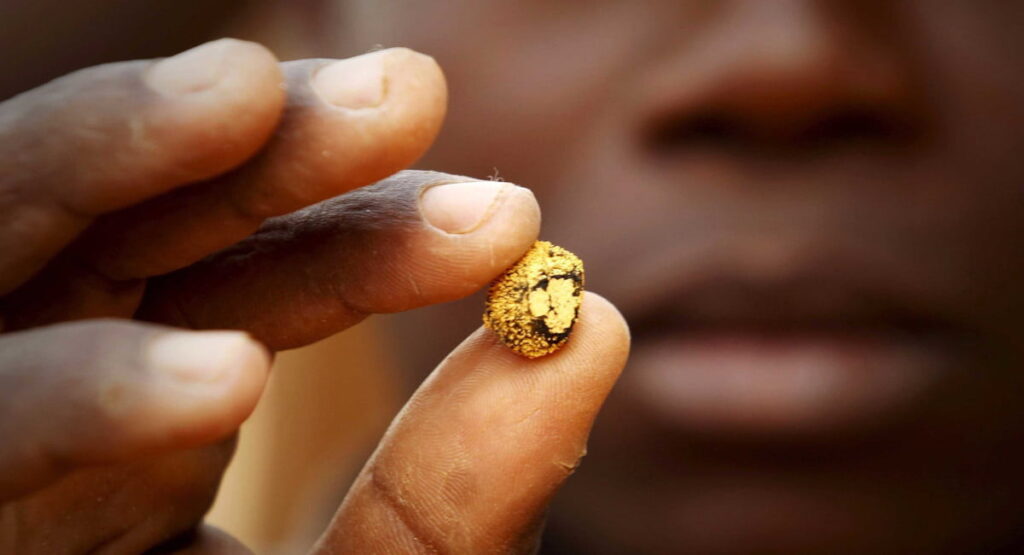
Buying Gold in Africa: Top 7 Places, Prices, Purity & Affordably
Buying gold in Africa offers unmatched value thanks to abundant natural resources, competitive prices, and a wide variety of product forms—from raw nuggets to refined bullion.
Major gold-producing nations like Ghana, South Africa, and Uganda have established regulations and licensed dealers, making transactions safer for both individuals and businesses. By purchasing African gold, investors can benefit from lower premiums and access to high-purity metals.
However, due diligence is essential: verify product authenticity, work with reputable dealers, and follow legal export requirements to secure a profitable and transparent gold-buying experience.
Africa stands as one of the world’s most promising gold frontiers, not just due to its prolific deposits spanning Ghana, South Africa, Uganda, Mali, and Tanzania, but also for its competitive prices, growing investor confidence, and streamlined regulations for international buyers.
Whether you are a bullion investor, jewelry manufacturer, or first-time trader, this comprehensive guide explains in detail how to buy gold in Africa safely and profitably. It clarifies regional prices and purity standards, legal export requirements, and the best countries to source from — all while providing actionable, transaction-focused steps for secure and informed purchasing.
Why Buy Gold in Africa?
Competitive Prices: African gold is often priced lower than in Europe, North America, or Asia due to lower operational costs, less value-adding at source, and weaker local currencies.
Variety of Sources: Africa offers both raw gold and refined bullion, from artisanal to large-scale mining operations, giving buyers flexibility in product selection.
Potential for High Returns: Strong global demand for gold combined with emerging African trading ecosystems creates lucrative investment opportunities.
Diverse Markets: Gold is available in forms ranging from nuggets and dust to bars and jewelry, suiting both investment and manufacturing needs.
What Makes Africa Attractive?
Third of global gold production comes from Africa, with robust deposits and increasing production.
Up-to-date regulations and the growing number of government-licensed dealers boost transaction security.
The option to buy directly from mines, minimizing middlemen and offering better margins for bulk purchases.
Understanding African Gold Purity Standards
Gold Purity Basics
Gold’s value is determined by its purity — measured in karats (K) or as a percentage (%). Pure gold is 24K (99.9%). African gold markets recognize international standards but also feature unique regional practices. Read more about 24k gold here
| Purity (Karat) | Gold Content (%) | Fineness | Common Use in Africa |
|---|---|---|---|
| 24K | 99.9 | 999 | Investment bars, bullion |
| 22K | 91.6 | 916 | Jewelry, coins |
| 21K | 87.5 | 875 | Jewelry (West/North) |
| 18K | 75.0 | 750 | Jewelry |
| 14K | 58.5 | 585 | Affordable ornaments |
| 10K | 41.7 | 417 | Costume jewelry |
Regional Variations:
- West Africa (Ghana, Nigeria, Mali): 22K and 21K common in jewelry, investment bars refined to 24K for export.
- East Africa (Uganda, Tanzania, Kenya): 24K for investment, local jewelry mostly 18–22K.
- Southern Africa (South Africa, Zimbabwe): 24K bullion popular for investors, jewelry ranges 18–22K.
How to Check Gold Purity
- Certification Stamps/Hallmarks (e.g., 999 for 24K, 916 for 22K)
- Electronic Gold Testers & Acid Kits
- Third-Party Assay Certificates from government or international labs
Understanding purity ensures fair pricing and ease of global resale.
Current Gold Prices in Africa (2025)
African gold prices reflect the interplay between international market rates, local currency dynamics, and country-specific factors like taxes and mining costs.
| Country | Price/Gram (USD, 22K) | Price/Kilogram (USD) | Notes |
|---|---|---|---|
| South Africa | $61.50 | $61,600 | Top producer, efficient mining |
| Ghana | $59.30 | $59,500 | Large exporter, slight price advantage over S. Africa |
| Tanzania | $59.80 | $59,800 | Emerging market, competitive rates |
| Uganda | $60.50 | $60,000 | Developing sector, attracts new investors |
| Nigeria | $59.70 | $59,800 | Slightly higher due to local market conditions |
| DRC | $56.95 | $58,250 | Lower price, additional conflict zone checks required |
| Zimbabwe | $58.77 | $58,770 | Stable, with formal dealer channels |
Prices valid 2025, vary by gold form, dealer, and taxes.
Discounts for Bulk Purchases: Large orders or direct-from-mine purchases can yield prices several percentage points below retail.
Where To Buy Gold In Africa?
Buying gold in Africa can be highly lucrative if you know which countries offer the best balance of security, price, and export reliability. Below, find an actionable, detailed overview to help you select the right country and approach for your gold buying needs.
-
Ghana
Why Buy Gold in Ghana?
- Leading Producer: Ghana is Africa’s largest gold producer, with numerous mines and refineries.
- Government Supervision: All legal transactions for export must pass through official bodies like the Precious Minerals Marketing Company (PMMC) and the new GoldBod agency.
- Export Channels: The process is transparent, involving gold testing, weighing, and certification, giving buyers peace of mind.
How to Buy:
- Work with government-licensed exporters.
- Transactions require export documentation, assay certificates, and proof of funds.
- Purchases can be conducted through official channels in Accra or via registered online dealers.
Buyer Tips:
- Demand a complete set of export and assay documents.
- Engage a reputable local agent or lawyer for verification.
-
South Africa
Why Buy Gold in South Africa?
- World-Class Refineries: LBMA-certified refineries like Rand Refinery supply top-quality bullion.
- Efficient Market: Johannesburg hosts a transparent precious metals exchange for spot trading of bullion and coins.
- Strict Regulation: Strong adherence to international gold export standards reduces fraud risk.
How to Buy:
- Purchase directly from LBMA-listed refineries or licensed dealers in Johannesburg.
- Ensure full compliance with export regulations and tax requirements. All exports must be declared and accompanied by certificates.
Buyer Tips:
- Prefer bulk purchases for better prices.
- Secure insurance and logistics through experienced providers.
-
Uganda
Why Buy Gold in Uganda?
- Rising Hub: Uganda’s fast-growing gold sector is attracting international buyers, thanks to streamlined regulation.
- Flexible Sourcing: Both raw nuggets and refined bullion are available.
- Competitive Prices: Favorable pricing for bulk exports, particularly from artisanal and semi-industrial mines.
How to Buy:
- Purchase from dealers registered with the Ministry of Energy and Mineral Development. Like Gold Buyers Africa
- Complete documentation and local assays are required before export.
- Kampala is the hub for official transactions and inspection.
Buyer Tips:
- Always use government-verified laboratories for assaying.
- Clarify export process and anticipated taxes upfront.
-
Tanzania
Why Buy Gold in Tanzania?
- Rich Deposits: Major new mining investments and government incentives for legitimate export.
- Emerging Transparency: Regulatory improvements make export of both dore bars and nuggets safer for international buyers.
How to Buy:
- Engage with state-sanctioned dealers or mining companies.
- Transactions above certain thresholds require government approval and KYC due diligence.
- Dar es Salaam serves as the primary export point.
Buyer Tips:
- Visit in person or assign a trusted partner for bulk deals.
- Use independent assayers to verify gold quality.
-
Kenya
Why Buy Gold in Kenya?
- Regional Trading Hub: Nairobi’s vibrant gold market connects East African gold flows.
- Choice of Formats: Easy access to gold dust, nuggets, and refined products.
- Growing Oversight: Increasing presence of certified traders and improved export services.
How to Buy:
- Trade through dealers certified by the Ministry of Mining.
- Request certifications, tax receipts, and assay results.
Buyer Tips:
- Beware of brokers advertising below-market prices — always verify with the Ministry.
- For bulk and export, use customs agents familiar with gold regulations.
-
Mali, Burkina Faso, and DRC
Considerations:
- These countries are significant gold exporters but require extra caution due to fluctuating regulatory environments and, in some cases, conflict zone risks.
- Exports usually involve advanced compliance: origin assurance, conflict mineral certification, and close government monitoring.
How to Buy:
- Only transact through government-approved exporters and verified refineries.
- Insist on full documentation and third-party audit trails.
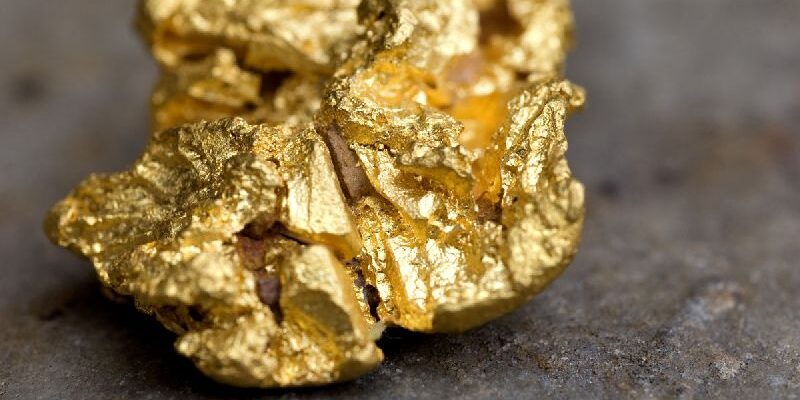
Which Country has the Cheapest Gold in Africa?
The country with the cheapest gold in Africa in 2025 is Uganda. According to multiple sources, Uganda offers some of the lowest gold prices on the continent due to low production costs, minimal export restrictions, and a weak Ugandan shilling (UGX), which makes gold more affordable for buyers in local currency terms.
For example, the 24K gold price per gram in Uganda around mid-2025 is roughly 387,815 UGX, which translates to approximately $40–$44 USD per gram depending on exchange rates and market fluctuations. Compared to other African producers like South Africa and Ghana, Uganda offers a pricing advantage—South Africa’s gold price per gram is higher, around $61 and above, and Ghana ranges near $56 to $60 per gram.
Additionally, Uganda’s relatively relaxed export policies and lower local taxes contribute to the competitive pricing when buying gold in Uganda compared to other African nations where regulations and costs may be more stringent
How Much is a Kg of Gold in Africa?
Price Examples in African Countries
- Ghana: As one of Africa’s largest gold producers, Ghana’s price per kilogram is close to the continental average near $101,800 USD, influenced by strong production capabilities and export regulations.
- Uganda: For high-purity 24K gold, the price per kilogram is about UGX 388 million (~$107,900 USD), according to recent market data, reflecting local currency strength and market conditions.
- South Africa: The price fluctuates alongside the Rand value but aligns closely with global spot prices, typically near the $100,000 to $105,000 USD range per kilogram.
These prices indicate that while Africa largely tracks international gold valuations, local currency fluctuations and governmental policies may cause slight premiums or discounts.
Which country is the Best Gold in Africa?
The best gold in Africa is often attributed to Ghana, which is the continent’s largest gold producer and historically known as the “Gold Coast”. Ghana’s gold mining industry dates back centuries and remains a cornerstone of its economy, contributing over 40% of total export earnings.
Ghana is also recognized for producing high-quality gold and has a well-established market with reputable refineries and dealers.
Other African countries with significant gold production and noteworthy quality include:
South Africa: Once the world’s top producer, South Africa has a long historic mining tradition and robust mining infrastructure with deep mines and high-quality output, though overall production has declined over the decades.
Mali and Burkina Faso: Known for rich artisanal and commercial gold mining, these countries have seen rapid production growth and produce quality gold but with some challenges in artisanal mining oversight.
Tanzania and Uganda: Important East African producers with increasing output and investment, offering competitive purity and price.
In terms of gold reserves — the amount of gold held by central banks and governments — Algeria leads Africa, followed by Libya, Egypt, and South Africa. However, production and mining quality relate more directly to countries like Ghana and South Africa.
Factors Affecting Gold Prices in Africa
- Global Gold Spot Price: The primary driver setting the base price per kilogram.
- Currency Exchange Rates: Fluctuations in local currencies against the US dollar significantly impact local gold prices.
- Demand and Supply: African markets see variation based on local and export demands.
- Regulation and Taxes: Import/export duties and government policies can increase the effective cost.
- Market Transparency and Infrastructure: Well-regulated markets like South Africa and Ghana offer pricing closer to global benchmarks; less formal markets sometimes have wider spreads.
Price Outlook
Gold prices in Africa are projected to rise moderately through 2025 and beyond, possibly reaching $2,000–2,300 per ounce in 2026–2027, with continued demand from major economies like China and India driving the trend.
For buyers and investors, expect to pay approximately $100,000 to $110,000 USD per kilogram of high-purity gold in African markets as of mid-2025. Monitoring local market conditions and currency rates is crucial for getting the best value.
Fast-Track Buying Comparison Table
| Country | Key Advantage | Best For | Buyer Protection | Export Complexity |
|---|---|---|---|---|
| Ghana | Strong gov. control | First-time buyers, bulk | High | Medium |
| South Africa | International standards | Investors, bullion trade | Very High | Medium-High |
| Uganda | Price, flexibility | Nuggets, bulk traders | Moderate-High | Medium |
| Tanzania | Improving regulations | Bulk exporters | Moderate | Medium |
| Kenya | Regional access | Jewelry/jewelry gold | Moderate | Medium |
| Mali/Burkina/DRC | Low-cost, high risk | Expert buyers | Variable | High |
Transactional Steps for Each Country
-
Confirm seller registration with local mining authority or government agency.
-
Arrange in-person inspection and independent assay (preferred) or insist on recognized assay lab report.
-
Sign a legally binding purchase agreement outlining quantity, type, purity, price, shipment, and dispute resolution.
-
Complete payment via secure channel (bank transfer or escrow).
-
Ensure all export documentation is in place before shipment.
-
Use insured logistics providers for international shipping.
Pro Tip: Always prioritize compliance, documentation, and transparent processes—these three elements are key to a hassle-free, profitable gold buying experience in Africa.
Buying gold in Africa is a smart decision for investors seeking authentic, high-purity gold with competitive prices. Gold Buyers Africa, Uganda’s leading and most trusted gold seller, offers 100% genuine 24K and 22K gold bars and nuggets sourced directly from licensed miners and government-approved refineries.
Partnering with us means you benefit from transparent pricing, certified assay testing, complete export documentation, and reliable global delivery.
Whether purchasing small quantities or bulk gold, we guarantee authenticity and security every step of the way. Unlike risky, unverified sellers in the region, We operates with full government licensing and close ties to the Ministry of Energy and Mineral Development, offering unmatched peace of mind.
For investors aiming to diversify with ethically sourced African gold, buying through Gold Buyers Africa ensures you access a secure, compliant, and efficient gold buying process—making your investment both safe and profitable. Contact Us Today
Legal Requirements and Compliance
Buying gold in Africa is regulated by national laws, anti-money-laundering (AML) directives, and international conventions. Strict compliance protects buyers from legal or financial exposure.
- Key Documents Needed
- Personal/Business Identification: Passport (notarized), company registration (for corporate buyers), proof of funds.
- Purchase Invoice: Must detail seller’s license, weight, purity, transaction value.
- Assay Certificate: Certified assay from government lab or independent authority (e.g., SGS, PMMC, Rand Refinery).
- Export Permits: Vary by country; CEMAC permit (Central Africa), ECOWAS certificate (West Africa), Ministry of Mines approval.
- Tax & Customs Documentation, Proof of Tax Payment: Essential for customs clearance.
- Who Can Buy?
Foreigners: Permitted in most African countries through licensed dealers or official auctions; Ghana restricts foreigners from buying artisanal gold except through the GoldBod.
Businesses: Bulk gold procurement often through commercial channels with mandatory KYC/AML compliance.
- International Compliance
- Kimberley Process Certificate: For conflict zone gold; required by many Western importers.
- LBMA Certification: Ensures gold meets global standards, easing resale in Europe or the US.
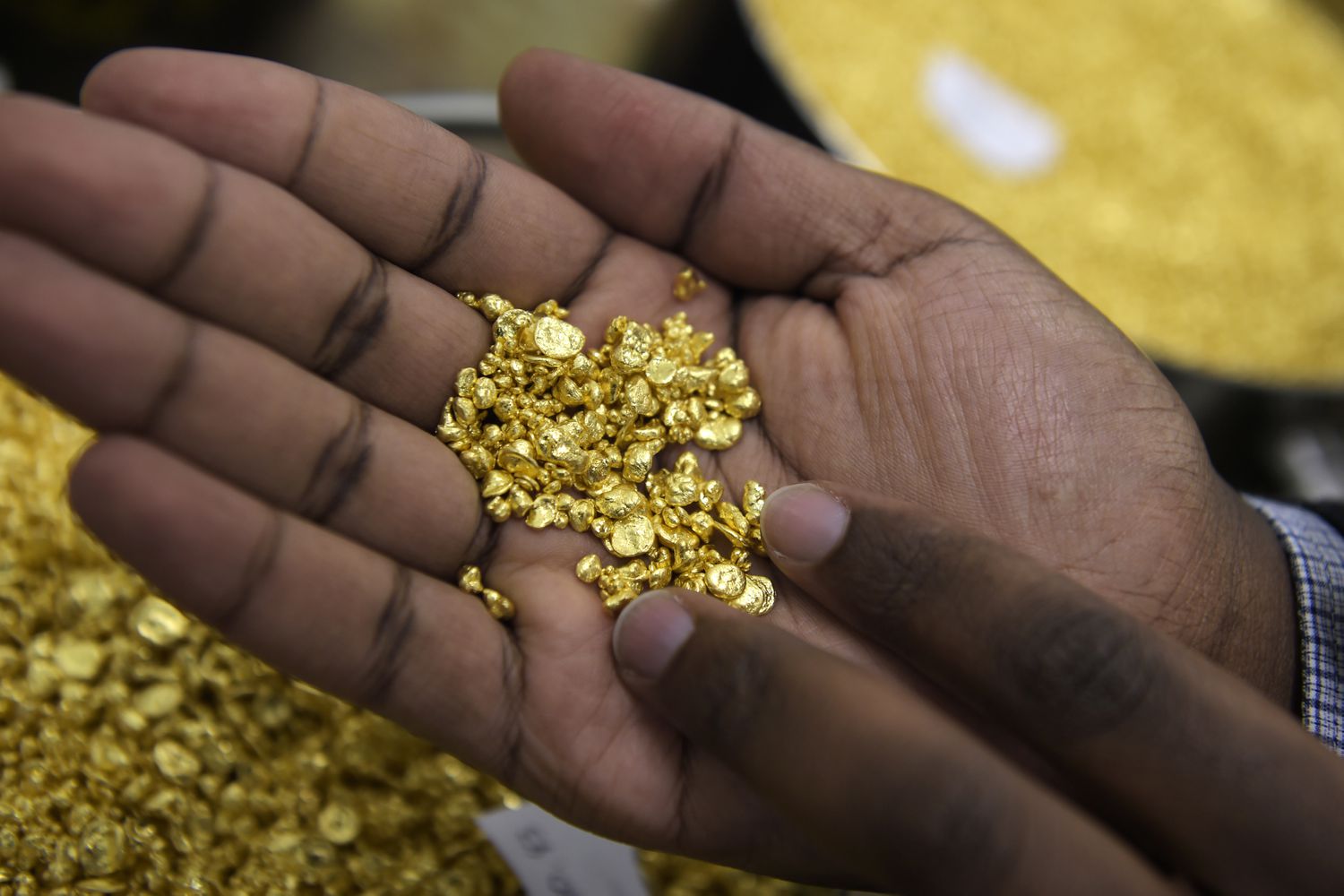
How to Buy Gold in Africa: Step-by-Step Process
- Research & Identify Reputable Sellers
- Use government-approved dealers or internationally credible companies.
- Review official registries, references, or independent verification.
- Conduct In-Person Inspections
- Whenever possible, visit the gold source country.
- Inspect gold physically, check documentation, and conduct or supervise gold assaying for authenticity and purity.
- Verify All Documentation
- Check mining licenses, export permits, proof of origin, and purity certifications.
- Demand third-party assay (SGS, Rand Refinery, PMMC, etc.).
- Negotiate Price & Complete Transaction
- Reference global spot prices and understand local premiums or discounts.
- For bulk purchases, negotiate further with mine owners or official brokers.
- Arrange Secure Shipping and Insurance
- Use insured, reputable logistics providers.
- Ensure all export paperwork accompanies the gold to avoid customs delays or seizures.
- Clear Customs and Import
- Prepare all required documentation for your country’s import standards.
- Use established customs agents for smooth clearance.
Types of Gold Available for Purchase
Each gold form serves different needs — from investment to manufacturing:
- Raw Gold Nuggets: Naturally occurring, often lower purity, priced below refined bars.
- Gold Dust: Sourced from artisanal mining, needs proper processing before trading internationally.
- Dore Bars: Semi-pure bars, about 80–90% purity, require refining for investment use.
- Refined Bullion Bars: 24K, certified, best for investors and easiest to resell globally.
- Jewelry: 14K–22K preferred for regional ornaments, not ideal for investment.
How to Identify Genuine Gold and Trusted Sellers
Authenticity Checks
- Visual Inspection: Check for correct color, markings, and heft.
- Assay Reports: Demand certification from reputable laboratories — verify QR codes and serial numbers.
- Testing: Acid test or electronic testers for spot checks.
Seller Verification
Require licenses and registration details, review customer feedback, and confirm affiliation with recognized refineries or trade bodies.
Buying Online vs. In-Person
Online
- Pros: Convenience, access to many suppliers, price transparency.
- Cons: Higher scam risk, reliance on seller-provided documentation; essential to work with major, reputable platforms with buyer protection.
In-Person
- Pros: Ability to inspect, authenticate, and negotiate directly. Better for bulk/bulkier deals and complex documentation.
- Cons: Requires travel, greater logistical complexity.
Risks, Red Flags, and How to Avoid Scams
Common Risks
- Fake gold or under-purified material.
- Non-existent sellers or fraudulent “broker” chains.
- Insufficient documentation—goods seized at customs.
- Overly cheap pricing compared to international markets.
How to Avoid
- Never pay in full upfront to unverified sellers.
- Involve independent assayers and conduct tests.
- Only finalize after all documentation is in order and gold is in your possession.
- Use escrow or secure, reputable payment channels.
Costs, Payment, and Shipping
Buying Costs
- Spot Price: Benchmark international rate, adjusted for purity.
- Local Premiums: 2–10%, decreasing for large orders.
- Transaction Fees: Assaying, documentation, export permits can add $100–$700+ per transaction, depending on quantity and country.
- Taxes/Duties: Some countries levy export or VAT; clarify before buying.
Payment Methods
- Bank Transfer (SWIFT): Most secure; recommended for reputable dealers.
- Escrow Service: Added buyer protection, especially for large or remote transactions.
- Cash: Sometimes accepted for small amounts in person.
Shipping
- Insisting on insured, reputable logistics providers is a must.
- Always secure gold with proper packaging and insurance coverage for loss, theft, or damage.
Frequently Asked Questions
Is it legal for foreigners to buy gold in Africa?
Yes, but you must comply with national export and documentation requirements. Some artisanal gold trading is reserved for locals, particularly in Ghana post-2025. Licensed commercial channels remain accessible.
How do I check gold purity?
Use reputable third-party assay labs, demand documentation, and — for larger purchases — hire an independent assayer to supervise sampling and results.
What are the risks of buying online?
Higher risk of scams and counterfeit documentation. Mitigate by only dealing with platforms and sellers of international repute, using trade escrow, and verifying all credentials independently.
Is bulk buying cheaper?
Typically, yes. Major discounts apply for large volumes or mine-direct deals, especially if intermediary channels are bypassed.
Can I export gold to my country?
Most countries permit import, but you must clear customs and may need to pay import duties or taxes. Consult with a customs agent for country-specific advice.
Conclusion
Africa’s gold markets in 2025 are thriving, regulated, and brimming with opportunity for well-prepared buyers. Whether you’re purchasing bullion in South Africa, raw nuggets in Uganda, or investment gold in Ghana and Tanzania, it’s essential to understand gold purity, verify documentation, and use reputable sellers who provide transparency at every stage.
Transaction-focused diligence — from verifying licensing to supervising assay and shipping — remains the most effective way to secure investments and avoid fraud. Embrace Africa’s rich gold legacy by buying smart, buying secure, and building sustainable relationships in the world’s most promising precious metal market.
For the latest regulations, prices, and best practices, always consult government or industry sources in your destination region before committing to any gold transaction in Africa.