
Diamond Ring: The Ultimate Buying Guide for Timeless Brilliance in 2026
Diamond rings have long been the ultimate symbol of love, commitment, and luxury.
From ancient traditions where diamonds represented unbreakable strength to modern proposals where they signify eternal devotion, these sparkling gems capture emotions that words often cannot.
A diamond ring isn’t just jewelry—it’s a timeless heirloom that tells a personal story of romance, enduring through generations with its unmatched brilliance and durability.
This comprehensive diamond ring buying guide is designed for anyone ready to invest in a meaningful piece: soon-to-be engaged couples, those upgrading an existing ring, gift shoppers seeking something special, or simply admirers of fine jewelry.
Whether you’re on a tight budget or willing to splurge, you’ll gain the knowledge to make a confident, informed decision.
In this guide, you’ll learn everything from the basics of diamond rings and their types to mastering the 4Cs, comparing natural vs lab-grown diamonds, understanding pricing, and ensuring authenticity.
We’ll cover practical tips on selection, care, and ethical choices to help you find a ring that shines as brightly as your love story. Ready to discover your perfect match? Find the perfect diamond ring today and create a moment that lasts forever.
What Is a Diamond Ring?
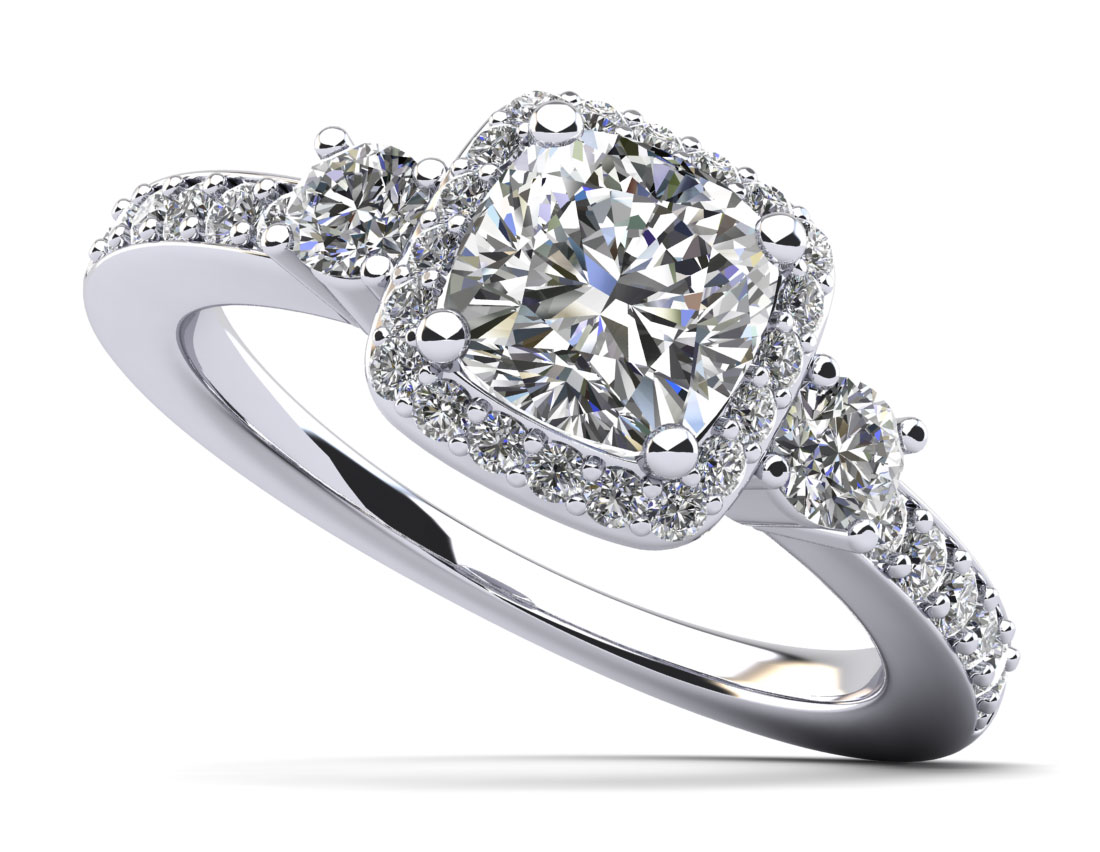
A diamond ring is a piece of fine jewelry featuring one or more diamonds set into a metal band, most commonly worn as an engagement ring, wedding ring, or fashion statement.
The diamond—the hardest natural substance on Earth—serves as the centerpiece, prized for its exceptional sparkle, fire, and scintillation that result from precise cutting and light interaction.
The history of diamond rings traces back to ancient Rome, where they symbolized eternal love, but they gained widespread popularity in the 15th century when Archduke Maximilian of Austria gifted a diamond ring to Mary of Burgundy.
By the 20th century, De Beers’ iconic “A Diamond is Forever” campaign cemented diamonds as the standard for engagement and marriage proposals, linking them indelibly to romance and luxury.
What makes diamonds timeless? Their rarity, durability (scoring a perfect 10 on the Mohs hardness scale), and ability to reflect light in a way no other gem can match ensure they never go out of style.
A well-chosen diamond ring transcends trends, becoming a family treasure that retains emotional and often monetary value over decades. Whether classic solitaire or intricate design, it represents enduring commitment in a world of fleeting fashions.
Types of Diamond Rings
Diamond rings come in various styles to suit different tastes, occasions, and budgets.
Understanding these types helps narrow your search for the ideal piece.
1. Engagement Diamond Rings
The most iconic category, typically featuring a prominent center diamond symbolizing a proposal.
Popular designs include solitaires, three-stone rings (past, present, future), and halo styles for added sparkle.
2. Wedding Diamond Rings
Often worn alongside or stacked with engagement rings, these feature smaller diamonds in eternity bands (full or half) or simple accents.
They emphasize unity and daily wearability.
3. Solitaire Diamond Rings
The classic choice with a single diamond as the focal point, held by prongs or other settings.
This minimalist style maximizes the stone’s brilliance and versatility.
4. Halo Diamond Rings
A center diamond surrounded by a ring of smaller accent stones, creating the illusion of a larger gem.
This design boosts sparkle and perceived size while adding vintage or modern flair.
5. Vintage Diamond Rings
Inspired by eras like Art Deco or Victorian, these feature intricate filigree, milgrain detailing, or rose-cut diamonds for a romantic, heirloom feel.
6. Custom Diamond Rings
Personalized designs allow you to select the diamond, metal, setting, and engravings.
Ideal for unique stories or specific preferences.
Diamond Ring Styles & Settings
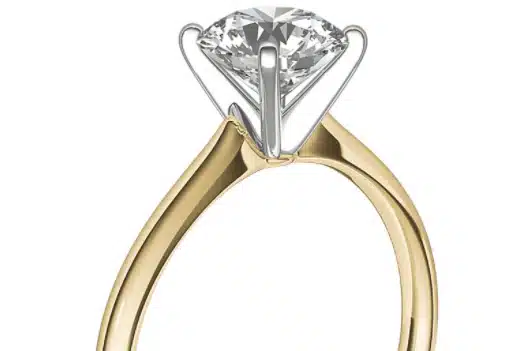
The setting determines how a diamond is secured in the ring, affecting its appearance, security, and light performance.
Choosing the right one balances beauty, durability, and lifestyle.
- Prong Setting: Metal claws (typically 4-6) hold the diamond, maximizing light exposure for superior brilliance. Classic and elegant, it’s ideal for showcasing the stone but requires regular checks for loose prongs.
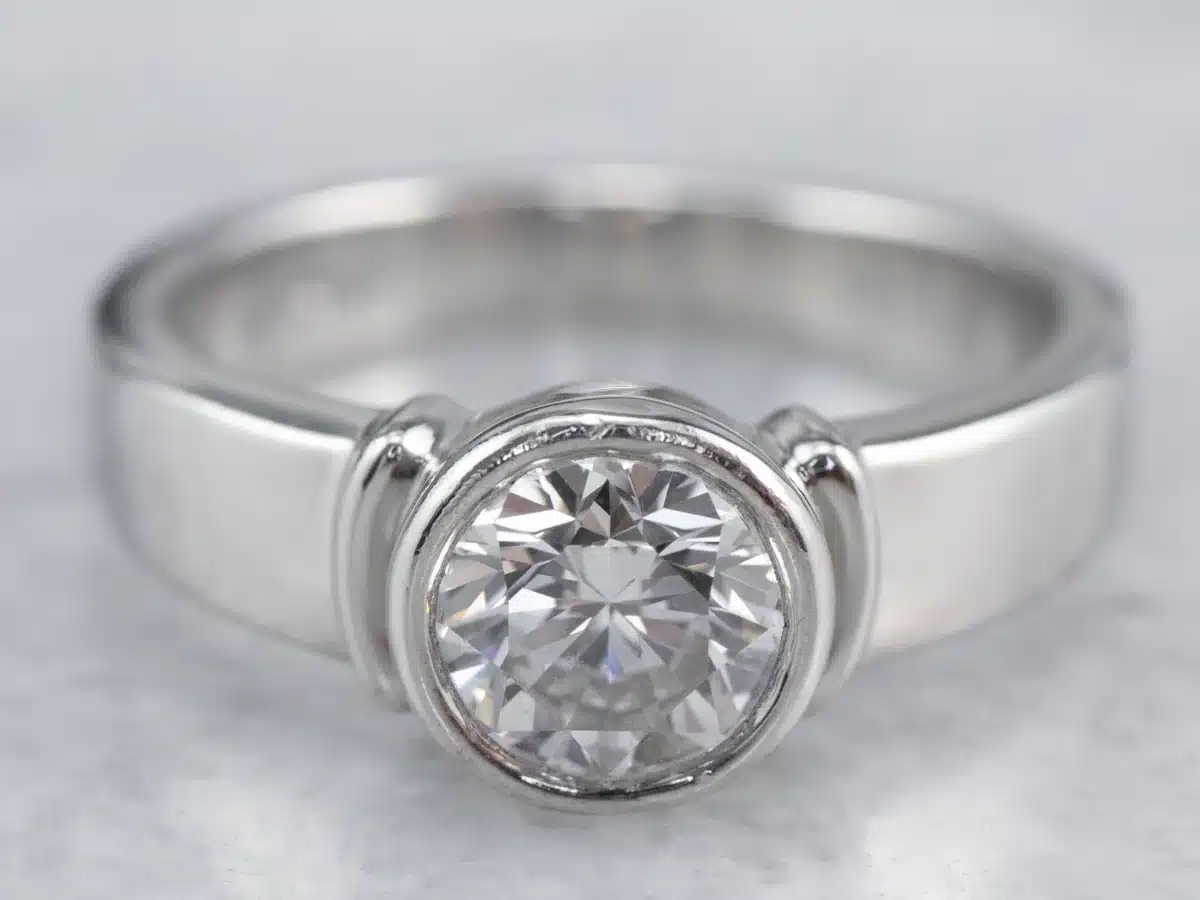
- Bezel Setting: A metal rim fully encircles the diamond, offering modern sleekness and excellent protection against knocks. Great for active lifestyles, though it may reduce some sparkle.
- Pavé Setting: Tiny diamonds cover the band, creating a glittering surface. It adds extra sparkle but can be more prone to wear.
- Channel Setting: Diamonds sit in a groove between metal channels, providing a smooth, secure look ideal for side stones or wedding bands.
- Tension Setting: The diamond appears to float, held by band pressure. Strikingly modern but requires skilled craftsmanship for security.
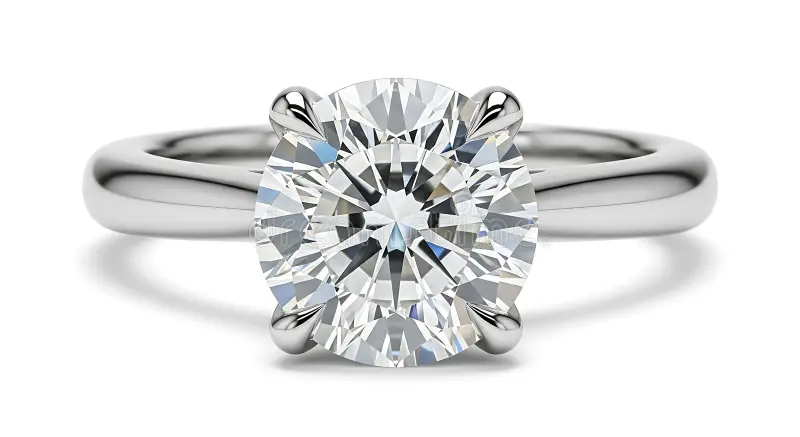
Here’s a quick comparison table
| Setting | Brilliance | Security | Protection | Best For |
|---|---|---|---|---|
| Prong | Highest | Good | Moderate | Maximum sparkle |
| Bezel | Good | Excellent | High | Active lifestyles |
| Pavé | High | Moderate | Low | Extra diamond dazzle |
| Channel | Moderate | High | High | Smooth wedding bands |
| Tension | High | Good | Moderate | Contemporary look |
Understanding the 4Cs of Diamonds
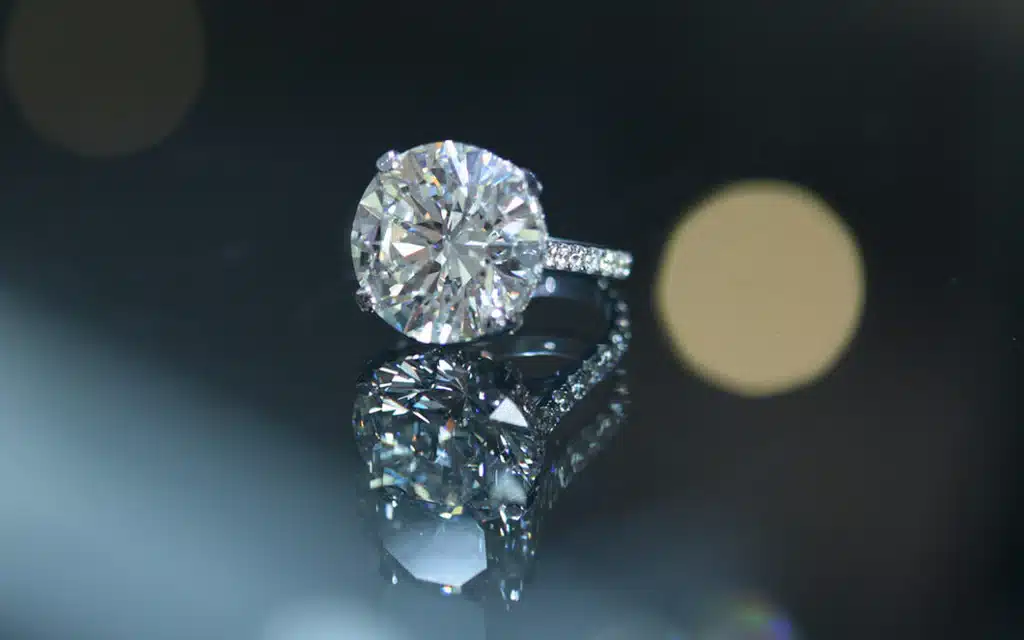
The 4Cs—Cut, Color, Clarity, and Carat Weight—form the universal standard for evaluating diamond quality, developed by the GIA. Mastering them ensures you get the best value and sparkle.
Cut (most important): Determines brilliance, fire, and scintillation. A well-cut diamond reflects light ideally. Grades range from Excellent to Poor (GIA). Prioritize cut over other Cs for maximum sparkle.
Color: Graded D (colorless) to Z (light yellow/brown). Colorless (D-F) or near-colorless (G-H) appear whiter, especially in white metals. Lower colors suit yellow gold.
Clarity: Measures inclusions/blemishes (FL to I3). VS1-VS2 (eye-clean) offer excellent value; SI1-SI2 often appear flawless to the naked eye.
Carat Weight: Measures size (1 carat = 200mg). Larger carats increase price exponentially; balance with other Cs.
Buyer Tips:
- Prioritize cut for sparkle.
- Choose G-H color for near-colorless at better value.
- Aim for VS/SI clarity to avoid visible flaws.
- Compare certificates side-by-side.
Mistakes to Avoid:
- Ignoring cut for bigger carat.
- Overpaying for D color in yellow gold.
- Skipping certification.
Diamond Ring Price Guide
Diamond ring prices vary widely based on the 4Cs, metal, setting, and type (natural vs lab-grown).
In 2025-2026, expect these approximate ranges:
Diamond Ring Price by Carat (good quality, round brilliant, natural):
- 0.5-1 carat: $2,000–$6,000
- 1 carat: $4,000–$9,000
- 1.5-2 carat: $10,000–$20,000+
- 3+ carat: $25,000+
Natural vs Lab-Grown Pricing:
- Lab-grown: 70-90% cheaper (1 carat ~$800–$2,000; 2 carat ~$1,500–$3,000).
- Natural: Higher due to rarity (1 carat ~$4,000–$9,000).
Metal Impact:
- Platinum: Most durable/expensive.
- 14K/18K White Gold: Affordable, popular.
- Yellow/Rose Gold: Warmer tones, often lower cost.
Setting Cost: Simple solitaires start lower; halo/pavé add $1,000–$5,000+.
High-intent buyers: Factor total budget, prioritize cut and certification, and compare lab-grown for value.
Natural vs Lab-Grown Diamond Rings
Choosing between a natural and a lab-grown diamond ring is one of the most common decisions modern buyers face.
While both options offer stunning beauty, they differ in origin, pricing, and long-term value.
1. Key Differences
Natural diamonds are formed deep within the Earth over billions of years and are mined from the ground.
Lab-grown diamonds, on the other hand, are created in controlled laboratory environments using advanced technology that replicates natural diamond formation.
Chemically, physically, and visually, lab-grown diamonds are real diamonds—not imitations.
2. Pros & Cons
Natural diamond rings are valued for their rarity, tradition, and strong resale appeal.
They often carry emotional significance and are seen as long-term investments.
However, they typically come at a higher price point.
Lab-grown diamond rings are more affordable and environmentally friendly, allowing buyers to choose larger or higher-quality stones within the same budget.
The main drawback is that lab-grown diamonds generally have lower resale value compared to natural diamonds.
3. Which Is Better for You?
The right choice depends on your priorities.
If you value heritage, rarity, and long-term value, a natural diamond ring may be the perfect fit.
If you’re budget-conscious, eco-aware, or focused on maximizing size and brilliance, a lab-grown diamond ring offers exceptional value.
✨ Both options deliver timeless beauty—what matters most is choosing a diamond ring that aligns with your values, lifestyle, and budget.
How to Choose the Perfect Diamond Ring
Choosing the perfect diamond ring is an exciting journey, but it’s also an important investment.
Understanding a few key factors will help you make a confident, informed decision that balances beauty, value, and meaning.
1. Budget Planning
Start by setting a realistic budget that feels comfortable. A diamond ring doesn’t need to be expensive to be stunning.
Focus on what matters most—whether it’s diamond size, sparkle, or setting style.
Prioritizing cut quality often delivers the most brilliance, while flexibility with color or clarity can help you maximize value without sacrificing beauty.
2. Lifestyle Considerations
Your lifestyle plays a major role in selecting the right ring.
If the ring will be worn daily, choose a durable setting such as bezel or low-profile prong designs that protect the diamond.
Active lifestyles may benefit from smaller carat sizes and secure settings, while statement designs are perfect for special-occasion wear.
3. Ring Size Guide
A proper fit is essential for comfort and security.
The best way to determine ring size is through professional measurement, but you can also use a printable ring size guide or measure an existing ring.
Keep in mind that finger size can change slightly due to temperature or time of day, so measure when your hands are at a normal temperature.
4. Ethical Sourcing Tips
Ethical sourcing is increasingly important to modern buyers.
Look for diamonds that are conflict-free and responsibly sourced.
Certified diamonds from trusted laboratories provide transparency and accountability.
Choosing ethically sourced diamonds ensures your ring reflects not only beauty but also values you can stand behind.
✨ With thoughtful planning and expert guidance, the perfect diamond ring is well within reach—one that tells your story and lasts a lifetime.
Diamond Ring Certification & Authenticity
When investing in a diamond ring, certification and authenticity are essential.
A certified diamond gives you confidence that what you’re buying is genuine, accurately graded, and fairly priced.
1. GIA, IGI, and AGS Explained
The most respected diamond grading laboratories in the world are GIA (Gemological Institute of America), IGI (International Gemological Institute), and AGS (American Gem Society).
These independent organizations evaluate diamonds based on the 4Cs—cut, color, clarity, and carat weight.
-
GIA is widely regarded as the strictest and most trusted authority.
-
IGI is popular for both natural and lab-grown diamonds and offers clear, detailed reports.
-
AGS is known for its advanced cut grading system, especially for brilliance and light performance.
2. How to Spot Fake Diamonds
While diamonds are incredibly durable, imitations exist.
Common signs of fake diamonds include poor light reflection, visible scratches, and the absence of a certification report.
Always request documentation and buy from reputable sellers who guarantee authenticity.
3. Why Certification Matters
Certification protects your investment. It ensures transparency, confirms quality, and supports resale or insurance value.
Most importantly, it gives you peace of mind—knowing your diamond ring is genuine, ethically sourced, and worth every cent.
✨ Always choose certified diamonds for confidence, trust, and lasting value.
Caring for Your Diamond Ring
A diamond ring is designed to last a lifetime, and with the right care, it will continue to sparkle for generations.
Simple maintenance goes a long way in protecting both the diamond and its setting.
1. Cleaning Tips
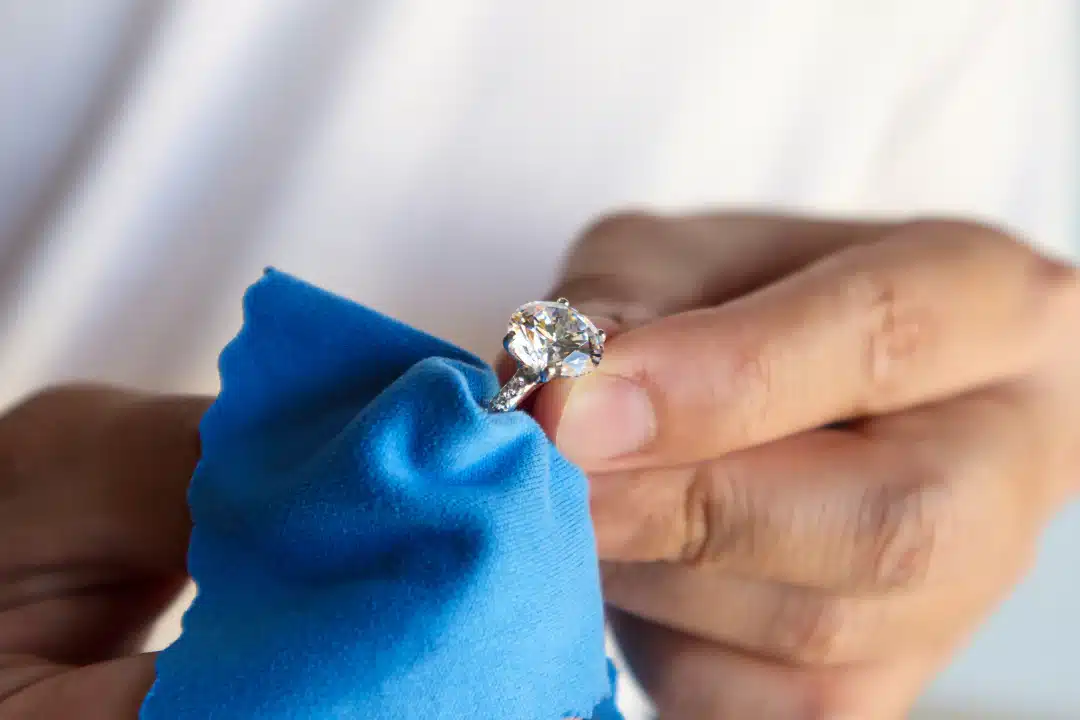
To keep your diamond ring brilliant, clean it regularly at home using warm water, mild soap, and a soft-bristled brush.
Gently scrub around the diamond and setting to remove oils and residue, then rinse and pat dry with a lint-free cloth.
Avoid harsh chemicals, bleach, or abrasive cleaners, as they can damage the metal and loosen the setting.
2. Proper Storage
When not wearing your diamond ring, store it separately in a soft-lined jewelry box or pouch.
This prevents scratches from other jewelry and protects the setting from accidental damage.
Keeping your ring in a dry, secure place also helps preserve its shine and structure.
3. Maintenance Schedule
Have your diamond ring professionally inspected and cleaned at least once a year.
A jeweler can check for loose prongs, worn settings, and overall stability—ensuring your ring remains as secure and stunning as the day you received it.
✨ With proper care, your diamond ring will remain a timeless symbol of beauty and love.
Why Buy Diamond Rings From Gold Buyers Africa?
At Gold Buyers Africa, we believe a diamond ring should be more than beautiful—it should be meaningful, responsibly sourced, and crafted to last a lifetime.
1. Exceptional Craftsmanship
Every diamond ring we offer is meticulously crafted by skilled artisans who blend precision, tradition, and modern design.
From classic solitaires to contemporary statement pieces, each ring is finished to the highest standards to ensure brilliance, durability, and comfort for everyday wear.
2. Ethical & Responsible Sourcing
We are committed to ethical sourcing practices.
Our diamonds are carefully selected from trusted suppliers who follow responsible mining and conflict-free standards.
When you choose Gold Buyers Africa, you’re investing in a ring you can wear with pride and peace of mind.
3. Trusted Warranty & Hassle-Free Returns
Your purchase is protected.
We offer clear warranties and a transparent return policy, giving you confidence and flexibility when buying such an important piece.
Our team is always available to assist before and after your purchase.
4. Loved by Our Customers
Our customers trust us for quality, value, and service—and their reviews speak for themselves.
From first-time buyers to lifelong collectors, we’re proud to be part of your most meaningful moments.
✨ Discover a diamond ring that reflects your story—shop with confidence at Gold Buyers Africa today.
Frequently Asked Questions About Diamond Rings
How much should I spend on a diamond ring?
There’s no one-size-fits-all rule—the outdated “two months’ salary” guideline is largely a marketing myth.
In 2026, the average engagement ring cost in the United States hovers around $5,500 to $6,500, according to recent data from sources like BriteCo, The Knot, and industry reports.
This reflects a slight downward trend driven by more budget-conscious buyers opting for lab-grown diamonds, personalized designs, and ethical options.
Many couples spend between $3,000 and $10,000, with beautiful, high-quality rings available at every price point.
Focus on what fits your financial situation, shared priorities, and the ring’s meaning rather than an arbitrary number.
A well-chosen diamond ring under $5,000 can deliver exceptional sparkle and sentiment—especially with lab-grown stones offering 50-90% savings compared to natural equivalents.
Which diamond cut sparkles the most?
The round brilliant cut consistently ranks as the sparkliest diamond cut.
With 58 precisely angled facets, it maximizes light return, producing superior brilliance (white light reflection), fire (colored flashes), and scintillation (sparkle when moving).
Experts across jewelers and gemological sources unanimously agree that the round brilliant outperforms other shapes in overall light performance.
Close contenders like princess, cushion, and radiant cuts offer excellent sparkle too, often at a lower price per carat due to less material waste during cutting.
For maximum eye-catching dazzle—especially in well-lit settings—prioritize an Excellent or Ideal cut grade in a round brilliant.
Are lab-grown diamonds real?
Yes, lab-grown diamonds are 100% real diamonds.
They are chemically, physically, and optically identical to natural diamonds—both are pure crystallized carbon with a perfect 10 on the Mohs hardness scale.
The only difference is origin: natural diamonds form deep in the Earth over billions of years, while lab-grown ones are created in controlled environments using HPHT (High Pressure High Temperature) or CVD (Chemical Vapor Deposition) methods that replicate the natural process.
Reputable labs like GIA and IGI certify them as genuine diamonds, and they deliver the same brilliance, durability, and fire.
The FTC recognizes them as authentic diamonds, making them a popular, ethical, and affordable choice without compromising quality.
How long do diamond rings last?
Diamond rings last forever with proper care.
Diamonds are the hardest known natural material, resisting scratches from almost everything except another diamond.
The stone itself endures indefinitely, often becoming a cherished heirloom passed down through generations.
The metal setting (platinum, gold, etc.) may show normal wear over decades—such as minor scratches or prong thinning—but regular professional inspections (every 6-12 months) and cleanings prevent issues like loose stones.
With simple home maintenance (gentle cleaning and safe storage), your diamond ring maintains its original beauty and structural integrity for a lifetime and beyond.
What’s the difference between solitaire and halo rings?
Solitaire features a single center diamond for classic elegance, while halo surrounds it with smaller diamonds for added sparkle and perceived size.
Which metal is best for sensitive skin?
Platinum or 18K gold (especially white or rose) minimizes irritation compared to lower-karat alloys.
Can I resize a diamond ring?
Most styles resize easily, but intricate pavé or tension settings may require extra care.
Final CTA & Conclusion
Choosing a diamond ring is about more than sparkle—it’s about capturing love’s timeless essence. With the knowledge from this guide, you’re equipped to select a piece that perfectly reflects your story.
Whether natural elegance or lab-grown brilliance, your ring will endure as a symbol of commitment. Don’t wait—embrace the moment.
Shop now or get expert help today for personalized guidance. Your forever starts here. Contact us Today.