
Gold Types & Products | Ultimate Guide to Choosing, Investing, and Buying Gold
Gold Types & Products have fascinated humans for centuries, not just for their beauty but also for their enduring value. From ancient civilizations using gold for currency and ceremonial purposes to modern investors seeking a safe haven asset, gold has consistently held a unique place in our lives. Its rarity, durability, and universal appeal make it one of the most sought-after metals in the world.
However, not all gold is created equal. The market offers a wide range of gold types—from 24k, 22k, and 18k jewelry to gold coins, bars, and even digital gold.
Each type serves a specific purpose, whether for fashion, gifting, or investment. Understanding the differences in purity, durability, and pricing is crucial before making a purchase.
Choosing the wrong type can affect not only the value of your investment but also the longevity and appearance of your jewelry.
In this complete guide, we will explore every aspect of gold types and products. You will learn how to identify genuine gold, compare different karats, understand hallmark certifications, and discover the best products for both personal use and financial investment.
By the end of this article, you will be equipped with all the knowledge needed to make informed decisions and confidently buy or invest in gold. Whether you’re a first-time buyer or a seasoned collector, this guide will help you navigate the dazzling world of gold with ease.
Section 1: Understanding Gold
What is Gold?
Gold is a naturally occurring precious metal that has captured human fascination for thousands of years. Its unique luster, malleability, and resistance to corrosion made it one of the first metals used by ancient civilizations for jewelry, coins, and religious artifacts.
From the pharaohs of Egypt to the kings of Europe, gold has symbolized wealth, power, and divine status. Even today, gold remains a highly valued asset, not only for its aesthetic appeal but also for its role as a safe investment.
Unlike paper currency or other commodities, gold retains intrinsic value and acts as a hedge against inflation and economic uncertainty.
Investors and collectors alike turn to gold for its long-term stability, making it one of the most trusted forms of wealth preservation worldwide.
Gold Purity Explained
Gold is rarely used in its pure form because it is soft and prone to scratches or bending. To enhance durability, gold is alloyed with other metals such as copper, silver, or nickel.
The purity of gold is measured in karats (k), indicating the proportion of pure gold in a piece.
-
24k gold: 99.9% pure, bright yellow, very soft, mainly used for investment gold bars and coins.
-
22k gold: 91.6% pure, slightly durable, traditional choice for high-end jewelry.
-
18k gold: 75% pure, more durable, widely used for designer jewelry.
-
14k gold: 58.3% pure, very durable, popular in modern jewelry markets.
-
10k gold: 41.7% pure, most durable, often used in budget-friendly jewelry.
| Karat | Purity (%) | Durability | Common Usage |
|---|---|---|---|
| 24k | 99.9 | Low | Investment bars, coins |
| 22k | 91.6 | Medium | Traditional jewelry, wedding sets |
| 18k | 75 | High | Designer and luxury jewelry |
| 14k | 58.3 | Very High | Everyday jewelry |
| 10k | 41.7 | Extremely High | Budget jewelry, fashion items |
Purity affects not just durability, but also the color and price of gold. Higher karat gold has a richer yellow hue but is softer, while lower karat gold is harder and more suitable for everyday wear.
Gold Hallmarks and Certification
When buying gold, authenticity is critical. This is where hallmarks and certificates play a crucial role. A hallmark is a stamped symbol indicating the gold’s purity, often accompanied by the manufacturer’s mark.
Different countries have distinct hallmarking systems, such as BIS in India, the UK Assay Office, or the Swiss hallmark.
A gold certificate provides additional assurance, detailing the karat, weight, and sometimes even the origin of the gold. Learning to read these certificates helps buyers avoid counterfeit or substandard products, ensuring they invest in genuine, high-quality gold.

“Explore the current value of 1 gram of 24K gold today, along with the different gold types and products available for investment or personal use.”
Section 2: Types of Gold Products
Gold Jewelry
Gold jewelry is the most popular form of gold ownership, combining both aesthetic appeal and investment value. Jewelry comes in various forms, including necklaces, rings, bracelets, earrings, and bangles.
Each piece can reflect personal style, cultural significance, or serve as a symbol of wealth and status.
Gold jewelry is crafted in different styles, such as:
-
Traditional: Often featuring intricate designs, filigree work, or cultural motifs.
-
Modern: Sleek, minimalist, and contemporary pieces for everyday wear.
-
Designer: High-end jewelry by renowned designers, combining artistry with investment value.
Choosing the right gold karat for jewelry:
-
24k gold: Pure and bright, but soft; mainly used for ceremonial jewelry or investment purposes.
-
22k gold: Durable yet traditional; ideal for wedding and heritage pieces.
-
18k gold: Stronger and ideal for modern or designer jewelry.
By understanding the karat and style, buyers can select pieces that suit both their aesthetic preferences and practical needs.
Gold Coins & Bullion
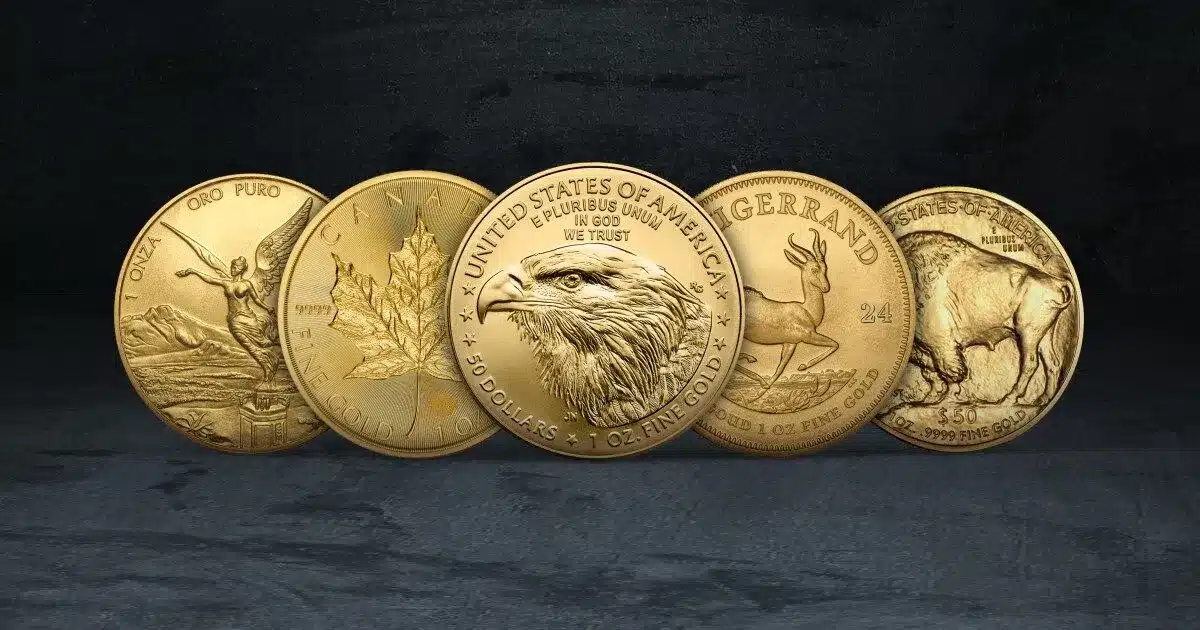
Gold coins and bullion are primarily used for investment purposes, though some coins also hold collectible value.
Types of gold coins:
-
Investment coins: Minted for purity and weight, like the American Gold Eagle or Canadian Maple Leaf. They are liquid and easy to trade.
-
Collectible coins: Limited editions or historical coins valued for rarity and design, in addition to gold content.
Gold bars:
Gold bars are a popular investment choice, available in sizes ranging from 1 gram to 1 kilogram or more. Buyers should consider:
-
Purity (typically 99.9% or 24k).
-
Trusted refineries or brands (like PAMP Suisse or Johnson Matthey).
-
Storage and security for larger bars.
Investing in coins or bars ensures physical ownership of gold, a tangible hedge against market volatility.

Gold ETFs and Digital Gold
With technology, gold investment has expanded beyond physical ownership to digital platforms and ETFs (Exchange-Traded Funds).
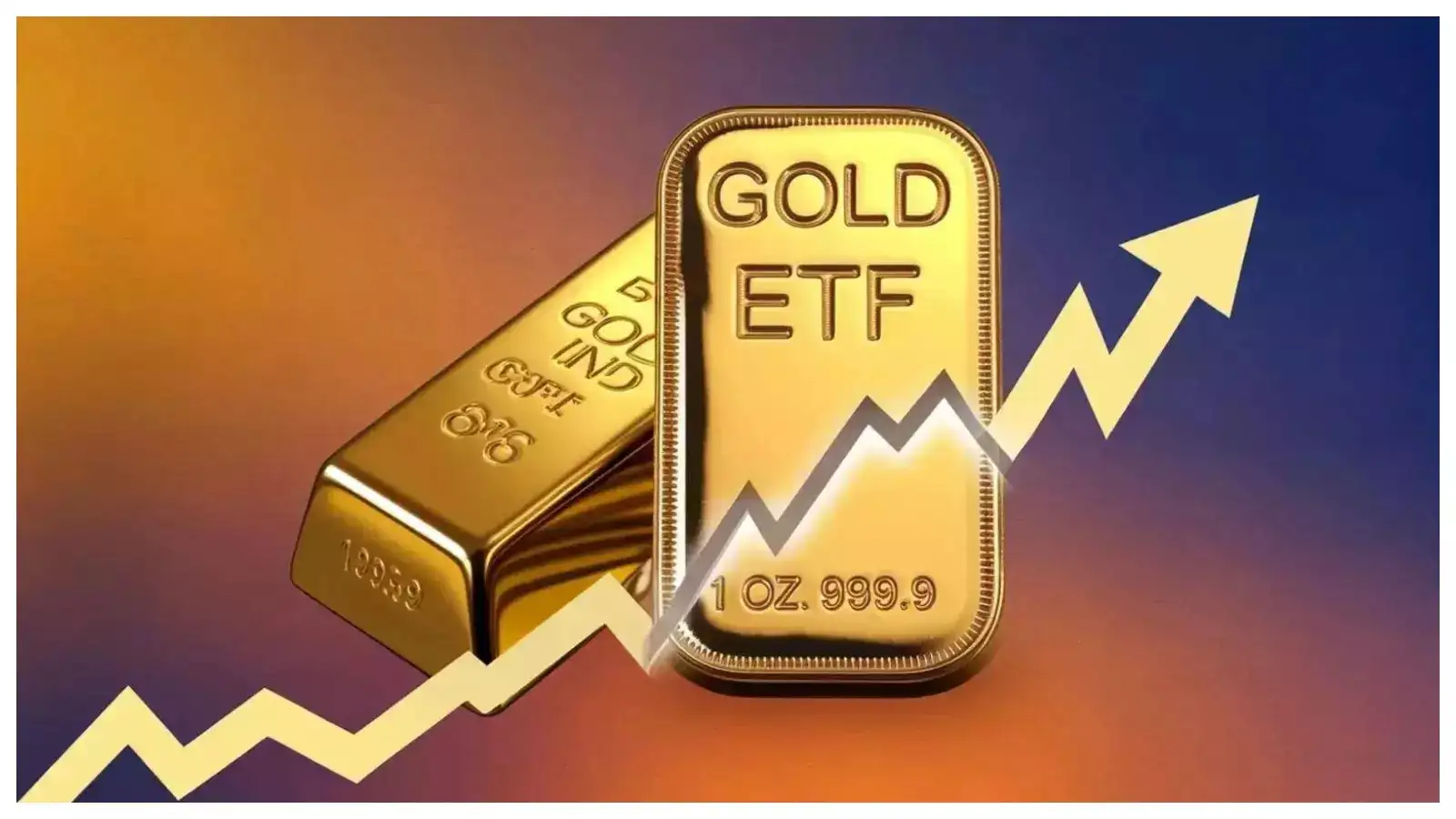
Gold ETFs:
-
Traded on stock exchanges, backed by physical gold.
-
Offer liquidity and ease of purchase without storage concerns.
-
Ideal for investors seeking exposure to gold prices without physical handling.
Digital gold:
-
Purchase small amounts of gold online via secure platforms.
-
Stored in certified vaults, fully insured.
-
Allows fractional investment, making gold accessible to all budgets.
Comparison: Physical Gold vs Digital Gold vs ETFs
| Feature | Physical Gold | Digital Gold | Gold ETFs |
|---|---|---|---|
| Ownership | Tangible | Intangible | Intangible |
| Liquidity | Moderate | High | Very High |
| Storage & Security | Buyer responsibility | Vault storage | Broker storage |
| Minimum Investment | High | Low | Low |
| Investment Purpose | Jewelry, Collectibles | Pure investment | Pure investment |
Specialty Gold Products
Beyond standard jewelry and investment gold, there is a range of specialty gold products catering to specific needs:
-
Wedding sets: Elaborate matching jewelry for brides and grooms, often in 22k gold for durability and cultural significance.
-
Religious items: Statues, idols, and ceremonial objects made from gold, reflecting devotion and tradition.
-
Gold-plated items: Affordable decorative pieces with a gold layer, offering the look of gold without the high price.
-
Corporate gifting options: Customized gold tokens, pens, or awards used for gifting in professional settings.
-
Luxury collectibles: Limited-edition gold items or designer collectibles, combining rarity, artistry, and investment potential.
These specialty products cater to niche markets and allow buyers to combine personal expression with investment, enhancing both aesthetic and financial value.

“Explore the current value of 1 gram of 24K gold today, along with the different gold types and products available for investment or personal use.”
Section 3: How to Choose the Right Gold Product
Factors to Consider Before Buying Gold
Buying gold is not just a purchase—it’s an investment in beauty, wealth, and security. Before making a decision, it’s essential to evaluate the following factors:
1. Purpose of Purchase
-
-
Jewelry: Focus on style, durability, and karat suitable for daily wear. 22k and 18k gold are popular for their balance of purity and strength.
-
Investment: Prioritize high-purity options such as 24k coins, bars, or gold ETFs. These retain value and are easier to liquidate.
-
Gifting: Choose visually appealing designs, culturally significant pieces, or specialty items like wedding sets or gold-plated collectibles.
-
2. Budget and Pricing per Gram
-
-
Gold prices fluctuate daily based on the global market. Set a realistic budget and calculate the price per gram for the desired karat.
-
Keep in mind that higher karat gold costs more due to increased purity, while lower karats may offer affordability and durability.
-
3. Purity and Durability
-
-
Purity determines the value and color of gold; durability affects how well it withstands wear.
-
For jewelry worn daily, 18k offers a good balance of strength and richness. For investment, 24k gold is ideal due to maximum purity.
-
Tips for First-Time Buyers
Buying gold for the first time can be overwhelming, but these tips will help you make confident choices:
-
Avoiding Scams and Fake Gold
-
Verify hallmark certifications and always ask for receipts and certificates.
-
Use trusted testing methods such as acid tests or electronic gold testers when possible.
-
-
Trusted Jewelers and Certifications
-
Purchase from reputable jewelers or certified online platforms.
-
Look for recognized hallmarking authorities, such as BIS in India or certified assay offices in Europe.
-
-
Negotiation Tips and Seasonal Discounts
-
Gold prices may vary slightly between jewelers; don’t hesitate to negotiate on making charges for jewelry.
-
Take advantage of festive or seasonal discounts offered by stores or online platforms.
-
Best Gold Types for Investment vs Fashion
Not all gold products serve the same purpose. Knowing which type aligns with your goals ensures maximum satisfaction and value:
1. Investment:
-
-
Gold coins and bars: Physical assets with high liquidity.
-
Gold ETFs or digital gold: Ideal for those who prefer easy storage, minimal handling, and the ability to invest in small fractions.
-
2. Fashion & Personal Use:
-
-
22k gold: Traditional and elegant, ideal for weddings and cultural jewelry.
-
18k gold: Strong, durable, and stylish, perfect for designer and modern pieces.
-
Designer jewelry: Unique creations combining aesthetics and moderate investment potential.
-
By evaluating your purpose, budget, and preferred style, you can confidently select the right gold product that meets your needs.
Whether you are investing for long-term wealth or purchasing jewelry for personal enjoyment, informed choices protect your money and enhance your overall satisfaction.
Section 4: Gold Care and Maintenance
How to Maintain Gold Jewelry
Gold is a durable metal, but proper care ensures it maintains its luster and value over time.
1. Cleaning Methods for Different Karats
-
-
24k and 22k gold: Softer and more prone to scratches. Clean gently using mild soap and warm water, and avoid abrasive materials.
-
18k and 14k gold: More durable, allowing for occasional polishing with a soft cloth or gold-safe cleaning solution.
-
Avoid harsh chemicals: Chlorine, bleach, and detergents can weaken gold alloys, especially in jewelry with gemstones.
-
2. Storage Tips to Prevent Tarnishing
-
-
Store each piece in a soft cloth pouch or separate jewelry box compartments to avoid scratches.
-
Keep gold away from moisture and direct sunlight to prevent discoloration.
-
For long-term storage, airtight containers with anti-tarnish strips are recommended.
-
3. Insurance for High-Value Gold
-
-
Consider insuring expensive jewelry or investment-grade gold to protect against theft, loss, or damage.
-
Keep receipts, photographs, and certificates handy to simplify claims.
-
Selling or Trading Gold
At some point, you may want to sell or trade your gold, either for liquidity or upgrades.
1. Where to Sell Safely
-
-
Trusted jewelers, certified gold buyers, and verified online platforms ensure fair pricing and authenticity verification.
-
Avoid street vendors or unknown buyers, as they may undercut prices or provide inaccurate purity assessments.
-
2. Factors Affecting Resale Value
-
-
Purity and karat: Higher karat gold commands higher resale prices.
-
Weight: The more gold you have, the greater the value.
-
Market rates: Gold prices fluctuate daily based on global demand and economic factors.
-
Design and craftsmanship: Intricate or branded pieces may retain or increase value, while heavily worn or damaged jewelry may fetch less.
-
Proper maintenance and smart resale strategies ensure that your gold retains its beauty, purity, and monetary value, maximizing both enjoyment and investment potential.
“Explore the current value of 1 gram of 24K gold today, along with the different gold types and products available for investment or personal use.”