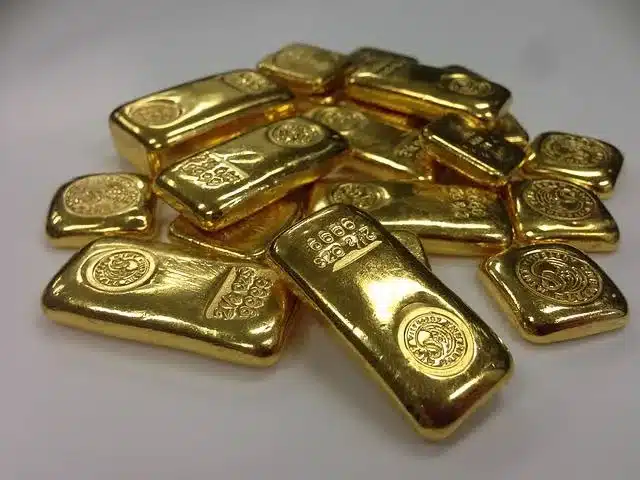
How Much Is 1 Gram of 24K Gold Worth Today? Current Prices & Expert Guide 2025
How much is 1 gram of 24K gold worth today?
As of October 27, 2025, the current price of 1 gram of pure 24K gold is approximately $131.91 USD, £93.81 GBP, €118.64 EUR, AED 443.53, ₹10,945 INR, and UGX 460,021.
These rates are based on the latest global gold market values and fluctuate daily depending on international bullion prices, currency exchange trends, and local market demand.
Gold has always been more than just a precious metal — it represents wealth, stability, and long-term financial security.
Whether you’re looking to buy gold jewelry, invest in digital gold, or simply track gold prices for future investments, understanding the real-time value of 1 gram of 24-carat gold helps you make smarter financial decisions.
👉 Bookmark this page for daily gold price updates — our current charts and insights will help you stay ahead of market changes and find the best time to buy or sell.
Current 24K Gold Price per Gram Today
Knowing the live 24K gold price per gram helps you stay informed about market trends and make smarter investment or purchasing decisions.
The price of gold changes multiple times throughout the day, influenced by international bullion markets, currency rates, and local demand.
Below are the latest 24K gold prices per gram, updated as of October 27, 2025, across major currencies.
| Weight | 24K Gold Price (USD) | 24K Gold Price (INR) | 24K Gold Price (GBP) | 24K Gold Price (EUR) | 24K Gold Price (AED) | 24K Gold Price (UGX) |
|---|---|---|---|---|---|---|
| 1 gram | $131.91 | ₹10,945 | £93.81 | €118.64 | AED 443.53 | UGX 460,021 |
| 10 grams | $1,319.10 | ₹109,450 | £938.10 | €1,186.40 | AED 4,435.30 | UGX 4,600,210 |
| 1 ounce (31.1g) | $4,100.40 | ₹340,370 | £2,915.10 | €3,689.70 | AED 13,795.80 | UGX 14,322,531 |
Tip: Gold prices are typically quoted per gram and per ounce in the international market, but local markets often show rates per 10 grams or per tola (11.66 grams).
Why Prices Differ by Country
Gold is traded globally, but local taxes, import duties, and currency conversion rates cause slight variations in the final retail price.
For example, gold in the UAE (AED) often costs less due to lower import taxes, while India’s (INR) price may include additional duties and making charges from jewelers.
Stay Updated Daily
To ensure you always have accurate and real-time information, bookmark this page or check back daily. We update gold rates across multiple currencies to help you compare values, spot price trends, and make better buy or sell decisions for 24K gold — whether in jewelry, coins, or bullion.
Historical Price Trends
Studying the gold price trend over time helps investors understand how the market behaves and predict future opportunities.
Gold, being a global safe-haven asset, reacts strongly to economic shifts, inflation, and geopolitical events. Let’s take a look at the gold rate history over the past few years to see how prices have evolved.
| Year / Period | Average 24K Gold Price per Gram (USD) | Key Market Events |
|---|---|---|
| 2021 | $58.70 | Economic recovery post-COVID-19, inflation rise |
| 2022 | $61.20 | Russia–Ukraine conflict, high inflation |
| 2023 | $63.80 | Global interest rate hikes, dollar volatility |
| 2024 | $71.50 | Inflation cooling, central bank gold purchases |
| 2025 (YTD) | $131.91 (Oct 2025) | Dollar weakening, increased demand for safe assets |
Over the past five years, gold prices have shown a steady upward trend, nearly doubling in value as global uncertainty, inflation, and demand from central banks pushed prices higher. Notably, the 2022–2023 period saw strong volatility due to global political tensions and energy market instability.
When observing the gold rate history, it’s clear that gold continues to act as a hedge against inflation and currency depreciation. Investors who accumulated gold during market dips in 2021–2022 saw significant returns by 2025.
Looking ahead, analysts expect that global economic recovery, interest rate adjustments, and central bank buying patterns will continue influencing gold’s direction.
👉 See our [Gold Price Forecast for 2026] to explore expert predictions, potential growth ranges, and the best times to buy or hold gold in the coming year.
“Explore the current value of 1 gram of 24K gold today, along with the different gold types and products available for investment or personal use.”

What Is 24K Gold?
When you see the term 24K gold, it refers to 24-karat gold, which is the purest form of gold available, containing 99.9% pure gold and virtually no other metals.
This makes 24K gold bright, rich yellow in color, and extremely malleable — perfect for investment bars and coins but less ideal for jewelry that’s worn daily due to its softness.
In contrast, lower-karat golds like 22K, 18K, and 14K contain varying amounts of other metals such as copper, silver, or zinc. These alloys make the gold harder and more durable, though slightly less pure.
Gold Purity Comparison Chart
| Karat (K) | Gold Purity (%) | Common Uses | Color Appearance |
|---|---|---|---|
| 24K | 99.9% | Bullion, coins, digital gold | Bright yellow |
| 22K | 91.6% | Jewelry, ornaments | Slightly less yellow |
| 18K | 75% | Premium jewelry, watches | Rich golden hue |
| 14K | 58.3% | Everyday jewelry | Lighter yellow |
| 10K | 41.7% | Affordable jewelry | Pale gold |
Because 24K gold is so pure, it is more valuable but also softer. That’s why most everyday gold jewelry — especially wedding bands and bangles — is crafted in 22K or 18K, balancing purity with durability.
If you’re curious about which gold type suits your needs best, check out our [Types of Gold Explained] and [Gold Jewelry Buying Guide] for a deeper comparison and expert tips on choosing the right purity for your lifestyle and budget.
How Gold Prices Are Calculated
Ever wondered how gold price is calculated per gram? The value you see in your local market or jewelry store is influenced by a mix of global market benchmarks, currency exchange rates, import duties, and retailer markups.
Understanding these factors can help you know exactly what you’re paying for — and why prices differ across countries.
1. Global Gold Rates (London Fix & COMEX)
The foundation of all gold pricing starts with the international spot price, determined mainly by the London Bullion Market Association (LBMA) and the COMEX exchange in the U.S.
These global rates reflect the real-time market value of one troy ounce of 24K gold (31.1035 grams) and are updated multiple times per day.
2. Currency Exchange Rates
Since global gold is priced in U.S. dollars (USD), fluctuations in your local currency directly affect the gold rate.
For example, if the USD strengthens against the Indian Rupee (INR), the gold price in India rises, even if the international price stays stable.
3. Import Duties and Taxes
Countries that don’t mine their own gold impose import duties to regulate supply. In India, for instance, this can add 10–15% to the base rate. Additionally, GST or VAT is applied during purchase, further increasing the final retail price.
4. Local Jeweler Premiums
Retail jewelers add a making charge or premium for craftsmanship, brand reputation, and overhead costs. This is why the rate you see on jewelry tags can be slightly higher than the published market rate.
Simplified Formula: How Gold Price Is Calculated per Gram
Final Gold Price (per gram) = [International Spot Price ÷ 31.1035] × Exchange Rate + Import Duty + Local Taxes + Jeweler Premium
By breaking down these components, you can better understand how gold price is calculated per gram and what drives daily changes.
Whether you’re investing, trading, or buying jewelry, staying aware of these factors ensures you pay the true value for every gram of gold you purchase.
Global Gold Prices (24K per Gram)
| Country | Price (USD) | Local Currency Equivalent | Notes |
|---|---|---|---|
| United States | $135.47 | USD | Prices vary by state; no federal tax on gold purchases. |
| United Arab Emirates | $135.47 | AED 497.51 | Prices vary by emirate; VAT may apply. |
| Saudi Arabia | $135.47 | SAR 508.03 | Prices vary by region; VAT may apply. |
| Singapore | $135.47 | SGD 175.81 | Prices vary; GST may apply. |
| Canada | $135.47 | CAD 190.05 | Prices vary by province; GST/HST may apply. |
| Australia | $135.47 | AUD 208.72 | Prices vary by state; GST applies. |
| China | $162.93 | CNY 1,160.00 | Prices have surged over 50% in 2025 due to economic factors. |
| India | $135.47 | ₹11,710.74 | Prices vary by region; premiums may apply during festivals. |
| Uganda | $65.85 | UGX 250,000 | Among the cheapest globally due to low production costs and a weak local currency. |
| South Africa | $66.30 | ZAR 1,240 | Prices vary by region; VAT may apply. |
| Kenya | $66.20 | KES 8,500 | Prices vary by region; VAT may apply. |
| Nigeria | $65.95 | NGN 102,000 | Prices vary by region; VAT may apply. |
| Tanzania | $65.95 | TZS 164,000 | Prices vary by region; VAT may apply. |
| Mali | $65.70 | XOF 39,000 | Prices vary by region; VAT may apply. |
| Congo (DRC) | $65.80 | CDF 173,000 | Prices vary by region; VAT may apply. |
| Zambia | $65.90 | ZMW 1,670 | Prices vary by region; VAT may apply. |
| Senegal | $66.00 | XOF 38,800 | Prices vary by region; VAT may apply. |
Key Observations
-
Uganda offers some of the lowest gold prices globally, making it an attractive destination for gold buyers.
-
China has experienced a significant surge in gold prices in 2025, driven by economic factors.
-
India sees increased gold premiums during festive seasons, impacting overall prices.
-
Dubai (UAE) offers competitive gold prices with the added benefit of VAT refunds for tourists.
-
South Africa and Kenya have relatively stable gold prices, though they may be higher than in Uganda.
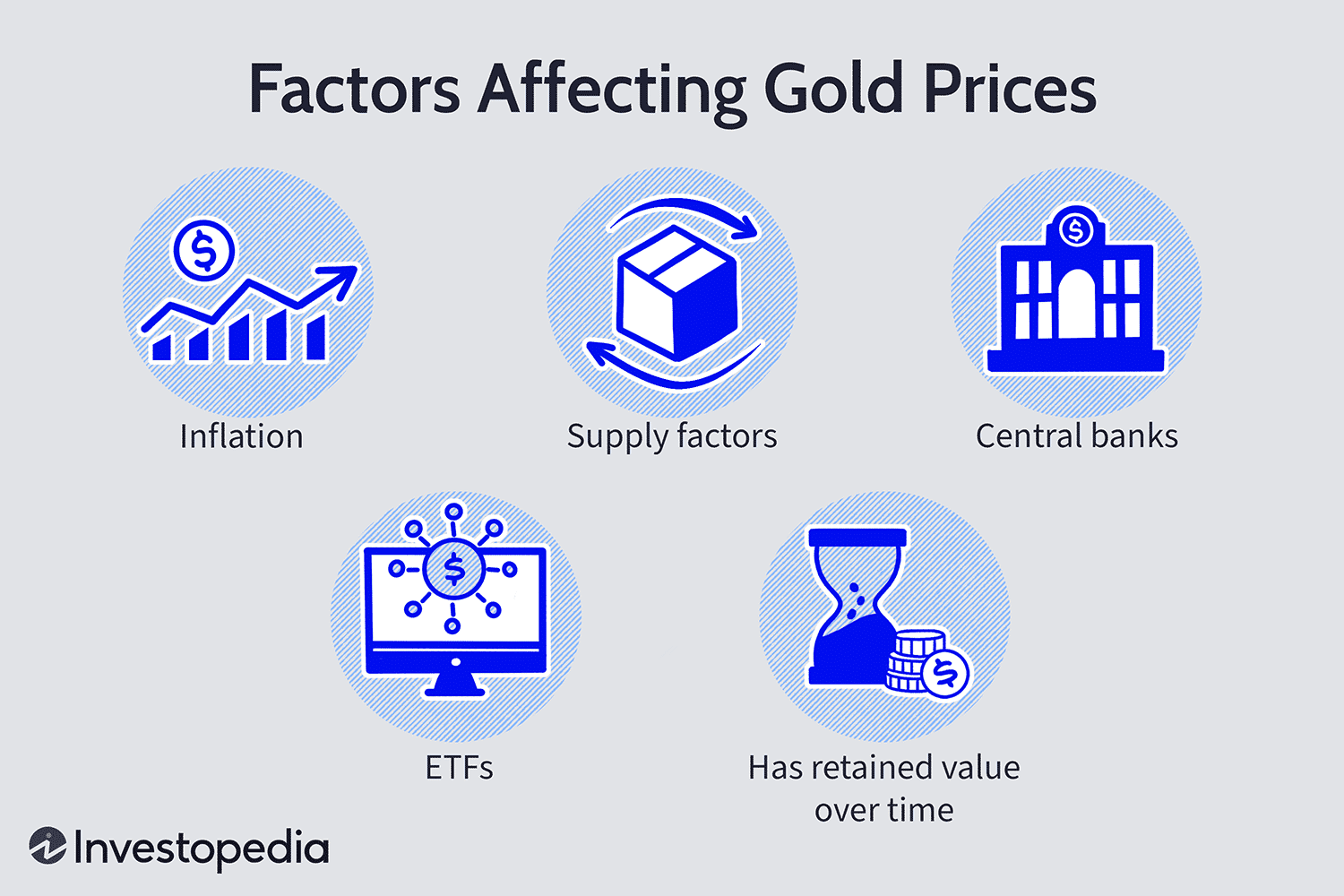
Factors Affecting Gold Prices
Understanding the factors that influence gold prices is crucial for anyone looking to buy, sell, or invest in 24K gold. The price of gold is not fixed; it fluctuates daily based on a combination of global, local, and seasonal dynamics.
By knowing what drives these changes, you can make informed decisions and maximize the value of your gold. Here are the main factors affecting gold prices:
1. Global Market Trends: Supply, Demand, and Inflation
Gold prices are heavily influenced by global market conditions. When demand for gold increases—whether for jewelry, investment, or industrial use—prices tend to rise. Conversely, if gold supply exceeds demand, prices may decline. Inflation also plays a significant role.
During periods of high inflation, investors often turn to gold as a hedge, pushing its price higher. Additionally, geopolitical tensions, economic instability, or crises such as wars and pandemics can trigger a surge in gold demand as a safe-haven asset, directly impacting its market value.
For example, when global financial markets experience volatility, gold prices typically increase as investors look for stability.
2. Currency Exchange Rates: The USD and Local Currencies
Gold is globally traded in US dollars, making exchange rates a key factor in determining its local price. If the US dollar strengthens against another currency, such as the Indian Rupee (INR), gold becomes more expensive in local markets.
Conversely, when the dollar weakens, gold prices in other currencies may decrease, making it more affordable for buyers outside the US.
This fluctuation is particularly relevant for countries like India, where gold is a popular investment and cultural asset. Investors and consumers alike must monitor currency trends alongside international gold rates to accurately gauge its current worth.
3. Purity and Certification: Why 24K Gold is Premium
The purity of gold significantly affects its price. 24K gold is considered the purest form, containing 99.9% gold, making it more valuable than 22K or 18K gold. Certified 24K gold guarantees authenticity, weight, and quality, providing buyers and investors with confidence.
Hallmarking and proper certification prevent the risk of adulteration or fraud, which can otherwise lower gold’s market value. Therefore, the combination of purity and verified certification is a critical determinant of the price per gram of gold.
4. Seasonal Demand: Festivals, Weddings, and Cultural Trends
Gold prices are also affected by seasonal fluctuations. In countries like India, demand rises sharply during wedding seasons, festivals such as Diwali, and other cultural celebrations.
Retailers often stock more gold during these periods, which can temporarily increase its market price due to heightened demand.
Investors and sellers should be aware of these trends to time purchases or sales strategically. Seasonal demand patterns, when combined with global and local market factors, create a dynamic pricing environment for 24K gold.
“Explore the current value of 1 gram of 24K gold today, along with the different gold types and products available for investment or personal use.”
Investing in 24K Gold: Strategies and Tips
Investing in 24K gold isn’t just about buying shiny jewelry—it’s about preserving wealth, hedging against inflation, and diversifying your portfolio.
Today, there are three main ways to invest in 24K gold: physical gold, gold ETFs, and digital gold. Each has its advantages and limitations. Understanding them will help you choose the right strategy for your financial goals.
1. Physical Gold
This includes gold coins, bars, and jewelry.
Pros:
-
Tangible asset you can hold in hand.
-
Can be used as jewelry or gifted.
-
Historically retains intrinsic value during crises.
Cons:
-
Requires secure storage.
-
High making charges for jewelry.
-
Selling may incur lower resale value due to purity checks or local premiums.
Tip: Buy coins or bars from reputable dealers and store them in bank lockers or secure vaults.
2. Gold ETFs (Exchange-Traded Funds)
Gold ETFs are digital securities backed by physical gold and traded on stock exchanges.
Pros:
-
No storage hassles.
-
Highly liquid—can be sold anytime during trading hours.
-
Lower transaction costs compared to physical gold.
Cons:
-
Requires a trading account.
-
Slightly disconnected from the joy of owning physical gold.
-
ETFs’ value may fluctuate with market trends.
Tip: Choose ETFs with low expense ratios and high liquidity to maximize returns.
3. Digital Gold
Digital gold allows you to buy small fractions of gold online, stored in secure vaults by trusted providers.
Pros:
-
Buy as little as 1 gram—ideal for beginners.
-
Instant transactions and easy tracking.
-
Can convert to physical gold when needed.
Cons:
-
May have hidden service charges.
-
Depends on the reliability of the platform.
-
Regulatory oversight varies by country.
Tip: Use government-backed or certified digital gold platforms and avoid apps with opaque charges.
Actionable Advice
-
Diversify: Don’t put all your funds into one form; mix physical, ETF, and digital gold for risk management.
-
Track prices daily: Gold prices fluctuate; buying during dips can improve returns.
-
Check purity: Whether physical or digital, always verify authenticity.
Investing in 24K gold is a long-term strategy, and the right combination of assets can secure wealth while offering flexibility and growth.
Buying & Selling Tips for Maximum Profit
Buying and selling 24K gold can be highly profitable if you know where to buy, when to sell, and how to avoid common pitfalls. Gold is more than just jewelry—it’s an investment. Here’s a practical guide to help you maximize your returns.
1. Where to Buy 24K Gold
-
Banks and Authorized Dealers: Many banks sell certified gold coins and bars. They guarantee purity and authenticity, making them a safe choice for investors.
-
Reputable Jewelers: Trusted jewelry stores often sell 24K gold in coins, bars, or ornaments. Always check the hallmarking and ensure you receive a certificate of authenticity.
-
Online Platforms: Leading e-commerce platforms now offer gold delivery with verified purity. Look for platforms with secure payment options and a transparent pricing structure that reflects real-time market rates.
2. Tips for Selling Gold
-
Know the Market Rate: Before selling, check the current spot price of 24K gold. Prices fluctuate daily, and being informed ensures you don’t settle for less.
-
Avoid Scams: Only sell to licensed jewelers, banks, or certified online platforms. Be cautious of individuals offering “instant cash” deals at unusually high rates.
-
Check Making Charges: If selling jewelry, ask the buyer if they consider the making charges in the resale. Some jewelers deduct these, affecting your profit.
3. When to Buy and Sell for Best Value
-
Buy During Dips: Gold prices fluctuate with global markets. Buying when prices dip—even temporarily—can significantly boost long-term gains.
-
Sell During Peaks: Monitor price trends and sell when the market is high. Avoid selling in panic during temporary downturns unless urgent liquidity is required.
-
Seasonal Trends: In some countries, gold demand rises during festivals and wedding seasons. Buying before these spikes and selling after can yield better profits.
Pro Tip: Sign up for price alerts and newsletters from trusted gold dealers. This way, you’ll never miss market dips or spikes, ensuring smarter buying and selling decisions.
By following these strategies, you can confidently navigate the gold market, maximize your returns, and avoid common mistakes that cost investors thousands. Remember, knowledge is your most valuable asset—after gold itself!.
Why Buy from Gold Buyers Africa Limited
When it comes to buying gold, trust, transparency, and affordability matter more than ever. Gold Buyers Africa Limited is your go-to source for premium 24K gold at prices that make smart investing accessible.
Here’s why buyers across Africa and beyond choose us:
1. Authentic, Certified Gold
We provide only 100% certified 24K gold, whether in coins, bars, or jewelry. Every purchase comes with a certificate of authenticity, giving you complete peace of mind that your investment is genuine.
2. Affordable Prices with No Hidden Charges
Unlike many dealers who inflate making charges or add hidden fees, we offer transparent pricing that reflects real-time market rates. You pay for the gold, not unnecessary extras—making your investment truly cost-effective.
3. Safe & Reliable Transactions
With years of experience in the gold industry, we ensure secure, hassle-free purchases. From online transactions to doorstep delivery (where applicable), every step is designed to keep your gold safe and your experience seamless.
4. Expertise & Personalized Guidance
Not sure how much to buy or which form of gold suits your needs? Our team of experts provides personalized advice, helping you make informed decisions that maximize value and profit.
5. Supporting African Gold Trade
By choosing Gold Buyers Africa Limited, you’re investing in quality African gold and supporting local economies. You get premium gold while promoting sustainable and ethical sourcing.
6. Easy Access Across Africa
Whether you’re in Nairobi, Lagos, Accra, or Johannesburg, our services are designed to make gold buying accessible to everyone, without the hassle of international shipping or exorbitant premiums.
Invest Smart, Buy with Confidence
Gold Buyers Africa Limited combines authenticity, affordability, and trust. Don’t just buy gold—buy with assurance, maximize your investment, and experience the simplicity of dealing with Africa’s trusted gold partner.
Gold as an Investment
24K gold isn’t just a beautiful metal—it’s a proven store of value and a cornerstone of smart investment strategies. Unlike stocks or real estate, gold retains intrinsic value and often performs well during economic uncertainty, inflation, or currency fluctuations.
Its stability makes it an ideal asset for both short-term and long-term investors.
1. Investment Options for 24K Gold
-
Physical Gold: Bars, coins, or jewelry. Physical gold is tangible, easy to store, and provides a sense of security. Always buy from trusted sources and ensure proper hallmarking for authenticity.
-
Gold ETFs (Exchange-Traded Funds): These allow you to invest in gold without holding it physically. They track the price of gold in real time and are highly liquid, making them a convenient option for modern investors.
-
Gold Savings Accounts: Some banks and financial institutions offer accounts where you can accumulate gold gradually. These accounts combine the benefits of investing and convenience, allowing fractional purchases over time.
2. Risk vs. Reward
-
Reward: Gold typically appreciates during periods of market volatility. It diversifies your portfolio and can act as a hedge against inflation.
-
Risk: Short-term gold prices can fluctuate due to global economic factors. Physical gold requires secure storage and insurance, while ETFs and savings accounts may have fees or minimum balance requirements.
Pro Tip: A balanced strategy often works best—combine physical gold with digital gold investments to maximize liquidity while retaining long-term value.
By understanding market trends and choosing the right mix, 24K gold can be a cornerstone of a robust, risk-managed investment portfolio.
Investing in gold isn’t just about owning a precious metal—it’s about protecting your wealth, diversifying your portfolio, and planning for financial security.
Common Myths About Gold Prices
Gold has been valued for centuries, but many investors—and even casual buyers—fall for common misconceptions that can lead to poor decisions.
Let’s bust some of the most persistent myths.
Myth 1: “Gold Prices Always Go Up”
Reality: While gold is generally a stable long-term store of value, its price fluctuates daily based on global markets, currency strength, and geopolitical events.
Short-term dips are normal, and expecting constant upward movement can lead to hasty buying or selling decisions.
Myth 2: “All Gold Is the Same”
Reality: Gold comes in different purities—24K, 22K, 18K, and more. The value, resale potential, and durability vary significantly. Buying without checking purity or certification can reduce your returns or make resale difficult.
Myth 3: “You Should Always Buy Jewelry Gold”
Reality: Jewelry is beautiful but includes making charges, design fees, and retailer margins. If your goal is investment or wealth preservation, coins, bars, or ETFs are often more cost-effective, as you pay closer to the actual gold value.
Why This Matters
Understanding these myths helps you make smarter, more profitable gold decisions. Knowledge is key: when you separate fact from fiction, you protect your investment, maximize returns, and avoid costly mistakes.
Pro Tip: Always research gold prices, check purity, and consider multiple buying options before investing. Smart investors don’t follow myths—they follow facts.
Frequently Asked Questions (FAQs)
What is 24K gold?
24K gold is pure gold, with a purity of 99.9%. It is softer and more malleable than lower-karat gold but has the highest intrinsic value.
How is the price of 1 gram of 24K gold calculated?
The price is based on the current international spot price, local market premiums, taxes (like GST or VAT), and, if applicable, making charges for jewelry.
Does the price of gold change daily?
Yes. Gold prices fluctuate daily due to global market trends, currency exchange rates, supply and demand, and geopolitical events.
Where can I buy 24K gold safely?
You can buy from trusted banks, certified jewelers, and reputable online platforms. Always check for hallmarking and certificates of authenticity.
Should I invest in gold jewelry or bars/coins?
For investment purposes, bars or coins are generally better because jewelry includes making charges and design fees that do not contribute to resale value.
Is 1 gram of 24K gold expensive?
The cost depends on current market rates. While 1 gram may seem small, 24K gold’s purity and global demand give it high intrinsic value, making it a worthwhile investment.
Can gold prices drop?
Yes. While gold is relatively stable long-term, short-term prices can fall due to changes in the economy, currency fluctuations, or shifts in investor demand.
How do I know I’m getting real 24K gold?
Always check for hallmarks, certificates of authenticity, and trusted sellers. Avoid deals that seem too good to be true—they often indicate counterfeit gold.
Can I track gold prices online?
Yes. Many platforms and financial websites provide real-time gold prices, including prices per gram, ounce, and kilogram. Subscribing to alerts can help you buy or sell at the best time.
Why is 24K gold considered a good investment?
24K gold is a hedge against inflation, a store of value during economic uncertainty, and a globally recognized asset that can be easily sold or traded.
Conclusion
When considering how much 1 gram of 24K gold is worth today, it’s crucial to trust a reliable and informed gold buyer who understands the African market dynamics. At Gold Buyers Africa, we offer competitive prices aligned with the latest market rates, ensuring you get the best value for your investment.
Our transparent pricing, expert guidance, and commitment to customer satisfaction make us the preferred choice for gold buyers across Africa. Whether you’re investing or selling, buying gold from us guarantees authenticity, security, and fair pricing. Invest smartly and securely—choose Gold Buyers Africa for your 24K gold needs today. Bookmark our page for daily updates and insights.