
African Gold Market Prices Today: Current Rates, Trends & Investment (2026 Guide)
African gold market prices today reflect the value of gold traded across major African economies and mining regions.
Investors, traders, jewelers, and mining companies closely track these prices to understand market trends, investment opportunities, and the overall demand for gold in Africa.
Because Africa is one of the world’s richest regions in gold resources, changes in the gold market here often attract global attention.
Gold demand in Africa continues to grow due to several factors, including rising jewelry consumption, increased investment interest, and expanding mining activities.
Countries such as Ghana, South Africa, Tanzania, Mali, and Sudan are among the largest gold producers on the continent, contributing significantly to global gold supply. These nations play a major role in shaping African gold market prices.
People track African gold prices for many reasons. Investors monitor gold rates to decide when to buy or sell, while jewelers use price updates to adjust the cost of gold jewelry and ornaments.
Governments and mining companies also rely on gold price data to evaluate export revenues and mining profitability.
Since gold prices change frequently due to global market conditions, currency fluctuations, and supply and demand, staying updated with African gold market prices helps individuals and businesses make informed financial decisions.

Current Gold Prices in Africa Today
Gold prices in Africa generally follow the global spot gold price, with slight differences depending on local currency exchange rates, taxes, and supply conditions.
As of recent market data, the international gold price is trading around $5,100 per troy ounce, which directly influences gold trading prices across African markets.
Below is an estimated benchmark of current gold market prices used across many African trading hubs such as South Africa, Ghana, Tanzania, Uganda, and Kenya.
| Gold Unit | Average Global Price (USD) |
|---|---|
| Gold Price per Gram | ~$164 |
| Gold Price per Ounce | ~$5,106 |
| Gold Price per Kilogram | ~$164,000 |
These prices act as the reference benchmark for African gold markets, although local prices may vary slightly depending on transportation costs, refining fees, and currency exchange rates.
Why Gold Prices Change Daily
Gold prices in Africa change daily because they are linked to the international gold spot market, where gold is traded continuously across major financial centers such as London and New York City.
Market prices fluctuate depending on supply, demand, and investor activity.
Several factors cause daily price movements:
-
Global economic conditions
-
Inflation and interest rates
-
Currency fluctuations (especially the US dollar)
-
Political instability and global conflicts
-
Investor demand for safe-haven assets
Because gold is traded internationally, the price can change every few seconds during active market hours, with investors tracking live charts and spot prices throughout the day.
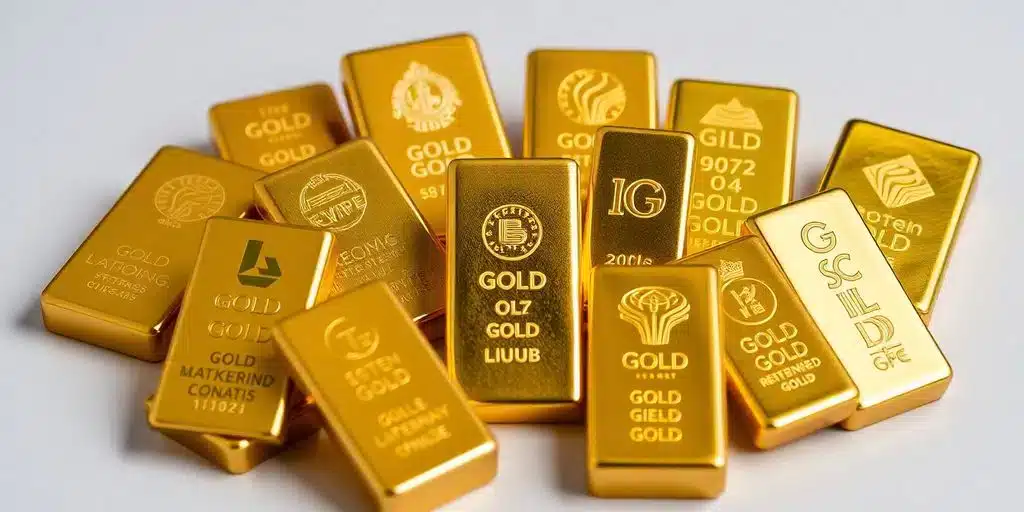
Global Market Influence on African Gold Prices
The African gold market is strongly influenced by global financial trends. When international demand rises—often during economic uncertainty or geopolitical tensions—gold prices typically increase worldwide, including in African markets.
Recent market movements show that a weaker US dollar and global economic uncertainty have pushed gold prices higher in international trading.
As a result, miners, traders, and investors across Africa closely monitor global gold benchmarks to determine the buying and selling prices within local gold markets.
Gold Prices by Major African Countries
Gold prices across Africa vary slightly from country to country due to differences in currency exchange rates, mining output, taxation, refining costs, and local market demand.
While most African markets follow the global gold benchmark price, local trading hubs may apply premiums or discounts depending on supply chains and export policies.
Africa is home to several of the world’s most important gold-producing countries. Nations such as South Africa, Ghana, Tanzania, Uganda, and Kenya all participate in the continent’s growing gold trade.
These countries play a major role in shaping African gold market prices due to their mining activities, refining capacity, and export volumes.
Below is a closer look at how gold prices and market dynamics differ across these major African economies.
1. Gold Price in South Africa
South Africa has historically been one of the most influential gold producers in the world. For more than a century, the country dominated global gold production thanks to massive deposits discovered in the Witwatersrand Basin.
Although its output has declined compared to earlier decades, South Africa remains a key player in the African gold market.
The current gold price in South Africa closely tracks the international gold spot price, but it is typically quoted in South African Rand (ZAR) for local traders.
Based on global market averages, gold is currently valued at approximately $164 per gram, $5,100 per ounce, or around $164,000 per kilogram, though the local Rand equivalent changes daily depending on currency exchange rates.
South Africa’s gold industry includes some of the deepest mines in the world and continues to attract global investment.
The country also has a well-developed refining and export infrastructure, making it one of the most reliable gold trading hubs in Africa. Because of its mature mining sector, gold prices in South Africa often act as a reference point for other regional markets.
2. Gold Price in Ghana
Ghana is currently the largest gold producer in Africa, surpassing many other countries in annual production output. Gold mining plays a crucial role in Ghana’s economy, contributing significantly to export earnings, government revenue, and employment opportunities.
Gold prices in Ghana are typically aligned with international benchmarks but may vary slightly depending on local trading conditions, mining costs, and refining fees.
As in most African markets, the average gold value remains close to the global spot price of approximately $164 per gram or $5,100 per ounce, although local prices are often quoted in Ghanaian Cedis.
The country’s gold sector includes both large-scale mining operations and a significant artisanal mining industry.
Ghana’s strong production levels, combined with its stable mining policies, have made it one of the most attractive destinations for international gold investors. As a result, gold prices in Ghana are closely watched by traders and investors across the African continent.
3. Gold Price in Tanzania
Tanzania has become one of East Africa’s most important gold-producing nations. Over the past two decades, the country has expanded its mining sector significantly, attracting international mining companies and increasing its gold exports.
Gold prices in Tanzania generally reflect global market conditions but are influenced by factors such as export regulations, mining taxes, and transportation costs.
In major trading centers such as Dar es Salaam, gold prices are typically calculated based on the international spot price and then converted into Tanzanian Shillings.
The Tanzanian government has introduced several reforms to strengthen the mining sector and increase national revenue from gold exports.
These policies have helped stabilize the market and improve transparency in gold trading. With growing investment and strong production levels, Tanzania continues to play an increasingly important role in the African gold market.
4. Gold Price in Uganda
Uganda has emerged as a growing participant in the regional gold trade, particularly in East Africa. While Uganda’s domestic gold production is smaller compared to countries like Ghana or South Africa, the country has become an important gold refining and export hub.
Gold prices in Uganda are largely influenced by the global spot market and regional trade flows. Traders typically calculate prices based on international benchmarks and convert them into Ugandan Shillings for local transactions.
In many cases, Uganda acts as a transit and refining point for gold sourced from neighboring countries before it is exported to international markets.
The expansion of gold refining facilities and increased regulatory oversight have helped strengthen Uganda’s position within the African gold supply chain. As a result, the country is gradually becoming an important center for gold trading in East Africa.
5. Gold Price in Kenya
Kenya has a smaller gold mining sector compared to other African countries, but the industry has been steadily growing in recent years.
Gold mining activities are concentrated in regions such as western Kenya, where both artisanal miners and emerging mining companies operate.
Gold prices in Kenya are primarily influenced by international market rates and regional supply conditions. Local traders typically reference the global gold price and adjust it based on refining costs, currency exchange rates, and transportation expenses.
Although Kenya’s production volume is relatively modest, the government has introduced initiatives aimed at formalizing the artisanal mining sector and attracting more investment into mineral exploration.
These efforts could significantly increase the country’s gold output in the coming years, which may further integrate Kenya into the broader African gold market.

Factors Affecting Gold Market Prices in Africa
Gold market prices in Africa are influenced by a combination of global economic forces and local market conditions. Because gold is traded internationally, its value in African markets often reflects movements in the global financial system.
At the same time, regional factors such as mining production, government policies, and currency fluctuations can also influence the final price of gold within different African countries.
Understanding these factors helps investors, traders, and mining companies better predict price movements and make informed decisions in the African gold market.
Global Gold Market Influences
Several international economic forces directly impact gold prices across African markets.
1. Strength of the U.S. Dollar
One of the most important drivers of gold prices worldwide is the strength of the U.S. dollar. Since gold is traded internationally in dollars, a strong dollar often pushes gold prices lower, while a weaker dollar tends to increase gold prices.
When the dollar declines, investors typically buy more gold as a hedge, which raises the global price and directly affects markets across Africa.
2. Global Inflation
Inflation is another key factor affecting gold prices. During periods of rising inflation, investors frequently turn to gold as a store of value because it helps protect wealth against declining purchasing power.
When inflation increases in major economies such as United States, Europe, or China, global demand for gold usually rises, pushing prices higher in African markets.
3. Central Bank Gold Reserves
Central banks also play a significant role in the global gold market. Many national banks maintain large gold reserves as part of their financial stability strategies.
When central banks increase their gold holdings, global demand rises and gold prices tend to climb. Conversely, when central banks sell large portions of their reserves, the global gold supply increases, which can temporarily push prices downward.
Because Africa produces a large share of the world’s gold supply, changes in the global market quickly influence prices in major mining countries such as Ghana, South Africa, and Tanzania.
Local Factors Affecting Gold Prices
Alongside global trends, several regional factors within Africa also shape the final price of gold in local markets.
1. Mining Output
Mining production levels significantly affect gold supply within African markets. When gold production increases due to new discoveries or expanded mining operations, the local supply of gold rises. Higher supply can stabilize or slightly lower prices in domestic trading markets.
2. Export Policies and Regulations
Government policies related to gold exports also influence market prices. Some African countries impose export taxes, royalties, or licensing requirements on gold traders. These additional costs can increase the final price of gold sold in local markets or exported internationally.
3. Political Stability
Political stability plays an important role in maintaining investor confidence in the gold sector. Countries with stable governments and transparent mining regulations attract more foreign investment and support steady gold production.
In contrast, political uncertainty or conflict can disrupt mining operations and supply chains, causing price volatility.
4. Currency Exchange Rates
Currency fluctuations are another major factor affecting gold prices across Africa. Since gold is priced globally in U.S. dollars, changes in local currencies can significantly impact the price of gold in domestic markets.
For example, when local currencies weaken against the dollar, the price of gold typically rises when converted into local currency values.
By understanding these global and local factors, traders, investors, and mining companies can better anticipate gold price movements and make smarter decisions within the African gold market.

African Gold Production and Supply
Africa is one of the most important gold-producing regions in the world, contributing a significant share of global gold supply each year. The continent is rich in mineral resources, and gold mining has become a major economic driver for many African countries.
Several nations lead the continent in gold production, supplying large volumes of gold to international markets and influencing both regional and global gold prices.
Among the top gold producers in Africa are Ghana, South Africa, Mali, Sudan, and Tanzania. These countries collectively account for a large portion of Africa’s gold output and play a crucial role in shaping the continent’s gold market.
1. Ghana
currently stands as Africa’s largest gold producer. The country has a well-established mining sector supported by both large multinational mining companies and small-scale artisanal miners.
Gold exports are a major source of national revenue, and Ghana’s high production levels make it a key supplier to international gold markets.
2. South Africa
has historically been the global leader in gold production, thanks to the massive gold deposits discovered in the Witwatersrand Basin.
Although production has declined over the past few decades due to aging mines and rising operational costs, South Africa remains one of Africa’s most important gold producers and maintains advanced mining infrastructure.
3. Mali
has rapidly grown into one of the continent’s major gold producers. Gold mining is the backbone of Mali’s economy, accounting for a large portion of export earnings. Several large-scale mining projects continue to expand the country’s production capacity.
4. Sudan
has also emerged as a significant gold-producing nation in recent years. Much of Sudan’s gold production comes from artisanal and small-scale mining operations.
Despite challenges related to regulation and infrastructure, the country continues to supply considerable amounts of gold to international markets.
5. Tanzania
is another key gold producer in East Africa, supported by both international mining companies and domestic operations. The country’s gold sector has expanded steadily due to government reforms and increased investment in mining projects.

How Gold Supply Affects Prices
Gold supply plays a critical role in determining market prices. When production increases across major mining countries, the global supply of gold rises.
Higher supply can place downward pressure on prices if demand remains unchanged.
On the other hand, when gold production declines due to mine closures, political disruptions, or reduced investment in mining operations, supply becomes more limited. This shortage can push gold prices higher, especially when global demand remains strong.
Because African countries contribute a significant portion of global gold production, fluctuations in mining output from these regions can have a noticeable impact on international gold market prices.
As a result, investors and traders closely monitor production trends across Africa to anticipate future changes in gold supply and pricing.
African Gold Demand and Investment Trends
Gold demand in Africa continues to grow as the metal remains one of the most trusted assets for wealth preservation, cultural expression, and long-term investment.
Across the continent, gold is valued not only for its economic importance but also for its role in jewelry, national reserves, and private investment portfolios.
As African economies develop and financial awareness increases, the demand for gold is expanding across several sectors.
1. Jewelry Demand
Jewelry remains one of the largest sources of gold demand in Africa. In many African cultures, gold jewelry symbolizes wealth, status, and tradition.
Weddings, festivals, and cultural ceremonies often involve the exchange or display of gold ornaments such as necklaces, bracelets, and rings.
Countries such as Nigeria, Ghana, and South Africa have strong jewelry markets where gold is widely used in both traditional and modern designs. As middle-class populations grow and urbanization increases, demand for gold jewelry continues to rise across many African cities.
2. National Gold Reserves
Gold also plays an important role in the financial strategies of African governments and central banks.
Many countries maintain gold reserves to strengthen their financial stability and diversify national assets.
Central banks often purchase gold as a safeguard against currency volatility and global economic uncertainty.
For example, several African countries, including South Africa and Ghana, have incorporated gold into their reserve strategies. Holding gold reserves helps governments protect national wealth and reduce dependence on foreign currencies during economic fluctuations.
3. Investors Buying Gold
Private investors across Africa increasingly view gold as a safe-haven investment. During times of economic uncertainty, inflation, or currency depreciation, individuals and institutions often purchase gold to protect their wealth.
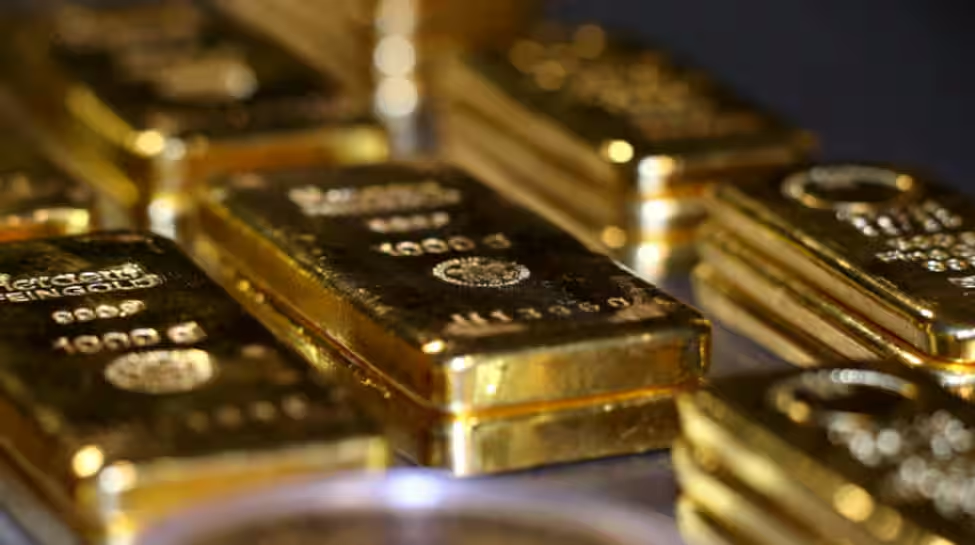
Investment demand typically includes gold bars, coins, and bullion purchased through licensed dealers or financial institutions.
Many investors prefer gold because it has historically maintained its value over long periods, making it an effective hedge against inflation and currency risk.
In addition, growing awareness of financial markets and investment diversification has encouraged more African investors to include gold in their portfolios.
4. Digital Gold Trading
Digital technology is also transforming how people invest in gold across Africa. Online trading platforms and fintech solutions now allow investors to buy and sell gold digitally without physically holding the metal.
Through mobile platforms and investment apps, users can purchase fractional amounts of gold, track real-time prices, and manage their investments directly from their smartphones.
This digital access has made gold investment more accessible, especially for younger investors and individuals who previously had limited access to traditional financial markets.
As financial technology continues to expand across Africa, digital gold trading is expected to grow significantly, further increasing demand and participation in the continent’s gold market.
How to Buy Gold in Africa
Buying gold in Africa can be a profitable investment, but it requires careful research and working with legitimate sellers.
The continent has a large and diverse gold market that includes licensed dealers, mining cooperatives, and official trading exchanges.
Understanding how these channels operate can help investors and buyers purchase gold safely while avoiding fraud.
Below are the main ways individuals and businesses buy gold in African markets.
1. Licensed Gold Dealers
One of the most common ways to buy gold in Africa is through licensed gold dealers. These dealers are authorized traders who purchase gold from miners and sell it to investors, jewelers, or export companies.
Many reputable dealers operate in major gold-producing countries such as Ghana, South Africa, and Tanzania.
Licensed dealers typically sell gold in different forms, including gold bars, bullion, and refined gold products. When purchasing from a dealer, buyers should always request proper documentation such as certificates of authenticity, export permits, and assay reports that confirm the purity of the gold.
2. Gold Exchanges
Another reliable option is purchasing gold through official gold exchanges or trading markets. These platforms allow buyers and sellers to trade gold in a more regulated and transparent environment.
Gold exchanges often provide verified pricing based on global market rates and offer standardized trading procedures.
Countries with more developed financial markets, such as South Africa and Kenya, have increasingly supported formal gold trading systems that help improve transparency and investor confidence in the gold market.
3. Mining Cooperatives
In some regions, gold can also be purchased directly from mining cooperatives or artisanal mining groups. These cooperatives consist of small-scale miners who work together to extract and sell gold from local deposits.
This type of purchasing is common in rural mining regions across countries like Mali and Sudan.
While buying from mining cooperatives may offer competitive prices, it is important to ensure that the gold has been properly tested and verified by certified laboratories before completing any transaction.
4. Safety Tips When Buying Gold
Because gold is a high-value commodity, buyers should always take precautions to avoid scams and illegal trading activities. Consider the following safety tips:
-
Verify the seller’s license and registration.
-
Request official documentation, including assay certificates confirming gold purity.
-
Use secure payment methods through banks or trusted financial institutions.
-
Avoid deals that seem unusually cheap, as they may involve fake or illegally sourced gold.
-
Work with government-approved exporters or refiners whenever possible.
Building Trust in Gold Transactions
Trust is essential when buying gold in Africa. Buyers should prioritize working with registered mining companies, certified dealers, and regulated trading platforms. Many governments have strengthened oversight of the gold sector to improve transparency and protect investors.
By conducting proper due diligence and verifying all documentation, investors can safely participate in the African gold market while taking advantage of the continent’s vast gold resources.

Is Gold a Good Investment in Africa?
Gold has long been considered one of the most reliable investment assets worldwide, and the same holds true across Africa.
With the continent being home to some of the world’s largest gold reserves and mining industries, many investors view gold as a strategic way to preserve wealth and diversify their portfolios.
However, like any investment, buying gold in Africa comes with both advantages and potential risks that investors should carefully consider.
Pros of Investing in Gold
1. Hedge Against Inflation
One of the biggest advantages of investing in gold is its ability to protect wealth during periods of inflation. When the value of paper currencies declines due to rising prices, gold often maintains or even increases its value.
This makes it a popular asset during economic uncertainty. Investors in countries such as Ghana, South Africa, and Tanzania often turn to gold as a financial safeguard when inflation pressures affect local economies.
2. Long-Term Stable Asset
Gold is widely recognized as a stable long-term investment. Unlike some financial assets that can lose value quickly, gold has maintained its purchasing power for centuries.
Because it is a tangible asset with global demand, gold tends to perform well during economic downturns and financial crises. This stability makes it attractive for investors who want to diversify their investment portfolios and reduce exposure to volatile markets.
Risks of Investing in Gold
1. Risk of Fraud
One of the main risks associated with buying gold in Africa is the possibility of fraud. Unscrupulous traders may attempt to sell fake gold, misrepresent purity levels, or offer deals that seem too good to be true.
To avoid scams, investors should always work with licensed dealers, request authenticity certificates, and verify the legitimacy of sellers before making a purchase.
2. Market Volatility
Although gold is generally considered a stable asset, its price can still fluctuate due to changes in global economic conditions, currency movements, and investor sentiment.
For example, shifts in the strength of the U.S. dollar or changes in global interest rates can influence gold prices in markets across Africa.
Overall, gold can be a valuable investment opportunity in Africa, but success depends on careful research, working with trusted sellers, and understanding the risks involved in the gold market.

Future Outlook of African Gold Market
The African gold market is poised for significant growth in the coming years, driven by both expansion in mining operations and increasing demand from investors and consumers.
Several African countries, including Ghana, South Africa, Tanzania, and Mali, are investing heavily in mining infrastructure, exploration projects, and technology upgrades to boost production.
This mining expansion is expected to increase the continent’s gold output, making Africa an even more significant contributor to the global gold supply.
Simultaneously, demand for gold in Africa continues to rise. Jewelry consumption is growing with urbanization and rising middle-class incomes, while investors increasingly see gold as a hedge against inflation and currency volatility.
Digital gold trading platforms are also making investment in gold more accessible, especially for younger populations who prefer online financial solutions. This combination of industrial growth and investor demand will continue to support strong market activity across the continent.
As for price forecasts, most analysts expect gold prices in Africa to remain stable or gradually increase over the next few years.
While global market factors such as U.S. dollar fluctuations, inflation, and central bank policies will continue to influence prices, the rising demand and steady production from major African producers are likely to maintain upward pressure.
For investors and traders, this suggests continued opportunities for wealth preservation and profitable trading in the African gold market.
Frequently Asked Questions
What is the gold price per gram in Africa today?
The gold price per gram in Africa varies by country and currency but is closely linked to the global gold spot price. As of 2026, the average price is around $164 per gram, though local rates may fluctuate slightly due to exchange rates, taxes, and transport costs. Major trading hubs like Ghana and South Africa often provide daily updates to reflect market movements.
Which African country has the most gold?
Ghana currently leads Africa in gold production, followed closely by South Africa and Tanzania. These countries dominate the continent’s gold output due to their large-scale mining operations, advanced infrastructure, and significant reserves.
Where can investors buy gold in Africa?
Investors can buy gold through licensed dealers, regulated gold exchanges, mining cooperatives, and certified refiners. Major cities in Ghana, South Africa, Tanzania, and Kenya host reliable trading centers. Digital platforms are also becoming increasingly popular for safe and convenient gold purchases.
Why does gold price change daily?
Gold prices change daily because they are influenced by global supply and demand, fluctuations in the U.S. dollar, inflation rates, central bank policies, and investor activity. Local factors, including mining output, currency movements, and export regulations, also contribute to daily price variations in African markets.
Conclusion
The African gold market remains one of the most dynamic and lucrative investment landscapes in the world. With major producers like Ghana, South Africa, and Tanzania driving substantial supply, coupled with rising demand from investors, jewelers, and digital trading platforms, gold continues to be a reliable hedge against inflation and a stable long-term asset.
Daily price fluctuations reflect both global influences—like the U.S. dollar, inflation, and central bank activity—and local factors such as mining output, currency value, and political stability.
For investors and collectors looking to capitalize on Africa’s gold opportunities, timely and informed action is key. Buying gold from trusted, licensed sources ensures authenticity, safety, and peace of mind.
Take action today: Secure your investment by purchasing authentic gold from Gold Buyers Africa, a trusted platform providing certified gold bars, coins, and bullion at competitive rates.
Stay ahead of the market, protect your wealth, and benefit from Africa’s rich gold resources with confidence.