Gold Prices in Different African Countries | Investment Guide + Live Comparison) | 24K, 22K, 18K &14k in 2026
Gold prices in different African countries vary widely based on refining levels, local taxes, and market structure.
In 2026, the Democratic Republic of Congo (DRC) offers some of the lowest gold prices, averaging $138 – $143 per gram for unrefined gold.
Uganda follows closely at $138 – $143 per gram, ideal for buyers seeking licensed exports.
Ghana and Mali remain competitive in West Africa, with prices ranging from $139–$143.2oo per gram. South Africa and Tanzania offer refined gold at slightly higher rates.
These differences make Africa a diverse gold market where investors can find value, especially when working with trusted, licensed dealers
African countries are among the largest producers of gold globally, contributing significantly to the world’s precious metal market.
However, the price of gold can vary from country to country due to factors such as production costs, demand, and prevailing economic conditions.
Gold Buyers Africa your trusted source known for providing up to date information on gold prices, trend and Analysis to help you have great investment choice in Africa,
Let’s explore the prices of 24K gold in different African countries, providing insights into how much it costs per kilogram, per gram, and ounce. gold prices in different African countries

Gold Price Comparison Table by Country (24K Gold – Updated 2026)
| Country | Gold Price/Gram (24K) | Gold Price/10 Grams (24K) | Gold Price/Ounce (24K) | Currency | Notes (Market Context) |
|---|---|---|---|---|---|
| Uganda | ~$138.6 – $140.0 | ~$1,386 – $1,400 | ~$4,310 – $4,360 | USD / UGX | Based on live UGX ~493,252 per gram (~$138.58) with weekly change up to ~+2.9% in value. |
| Congo (DRC) | ~$138 – $140 | ~$1,380 – $1,400 | ~$4,305 – $4,360 | USD / CDF | Price tracks global spot with modest local variations. |
| South Africa | ~$140 – $142 | ~$1,400 – $1,420 | ~$4,350 – $4,390 | USD / ZAR | Large refining market; prices reflect strong local bullion activity. |
| Ghana | ~$138 – $140 | ~$1,380 – $1,400 | ~$4,305 – $4,360 | USD / GHS | Regulated bullion market; prices tied to global spot + local exchange. |
| Tanzania | ~$139 – $141 | ~$1,390 – $1,410 | ~$4,320 – $4,380 | USD / TZS | Major gold producer; prices align with international benchmarks. |
| Nigeria | ~$140 – $142 | ~$1,400 – $1,420 | ~$4,350 – $4,390 | USD / NGN | Local pricing reflects flux in FX and premium. |
| Mali | ~$137 – $140 | ~$1,370 – $1,400 | ~$4,290 – $4,360 | USD / XOF | West African gold hub; local variations modest. |
| Sudan | ~$139 – $141 | ~$1,390 – $1,410 | ~$4,320 – $4,380 | USD / SDG | Prices influenced by currency volatility. |
| Zimbabwe | ~$140 – $142 | ~$1,400 – $1,420 | ~$4,350 – $4,390 | USD / ZWL | Market reflects refiners’ costs and local premiums. |
Key Updated Notes.
-
Uganda 24K live price per gram is currently around UGX 493,252 (~$138.58 USD) with corresponding ounce and kilogram values.
-
10 gram gold prices are simply the per‑gram rates multiplied by 10, so at ~$138.6–$143 per gram, a 10 g piece of 24K gold would cost roughly $1,386–$1,420 USD depending on the country and local conditions.
-
Local currencies (UGX, GHS, ZAR, NGN, etc.) affect the effective local buying price, but the underlying value tracks the global spot price of gold, which recently has been holding above $4,300 per ounce.
-
Transaction prices vary — dealer premiums, assay costs, export/import duties, and market liquidity can change final purchase prices above simple spot bulletins.
Factors Affecting Gold Prices in Different African Countries
Gold prices in Africa are influenced by a combination of global market forces and country-specific factors.
Understanding these variables is essential for investors, traders, and buyers who want to make informed decisions.
Below is an in-depth look at the key determinants:
1. Supply and Demand Dynamics
The fundamental principle of supply and demand plays a central role in determining gold prices:
-
High-production countries like South Africa, Ghana, and Tanzania often experience more stable and competitive prices because of abundant local supply.
-
Limited supply regions such as Sudan or smaller markets in West Africa may see higher premiums, especially for refined gold, due to scarcity and higher local demand.
-
Seasonal fluctuations in mining output and export activity can temporarily impact local market prices, especially in regions where mining is small-scale and artisanal.
-
Investor demand also drives prices: during economic uncertainty, demand for physical gold increases, causing prices to rise even in high-production areas.
2. Currency Exchange Rates
Gold is priced in U.S. dollars on the global market, but local transactions are conducted in national currencies.
-
Exchange rate volatility directly affects local gold prices. For example, if the Ugandan shilling (UGX) weakens against the dollar, gold becomes more expensive in UGX terms, even if the dollar spot price remains unchanged.
-
Countries with unstable or rapidly depreciating currencies often see higher gold premiums as traders hedge against local currency risk.
-
Central bank interventions, foreign reserves, and inflation also influence currency stability and, consequently, gold prices.
3. Economic Stability and Investor Sentiment
Economic and political conditions play a major role in gold price fluctuations:
-
In countries facing political uncertainty, inflation, or economic downturns, gold is perceived as a safe-haven asset. This often drives higher local demand and premiums.
-
Conversely, countries with stable macroeconomic conditions and transparent financial systems tend to have lower, more predictable gold prices.
-
Investor behavior is heavily influenced by global economic events such as interest rate changes, geopolitical tensions, and market liquidity, which can impact African gold markets indirectly.
4. Government Policies, Regulations, and Taxes
Regulations and fiscal policies have a significant effect on the cost and accessibility of gold:
-
Import and export duties can increase the local price of gold, especially in countries that restrict cross-border trade.
-
Licensing and certification requirements ensure that gold is legally mined and sold, often adding processing and verification costs that impact final market prices.
-
Incentives and tax breaks for mining companies may lower the cost of gold in producing countries, while restrictive policies or high royalties can increase prices.
-
Government policies can also affect investment flows, such as the ease of trading gold ETFs or futures, which in turn can influence local spot prices.
5. Refining, Storage, and Transportation Costs
-
Countries with advanced refining infrastructure, like South Africa, often have slightly lower premiums on high-purity gold (24K) because processing costs are lower.
-
Remote or landlocked countries may face higher transportation and storage costs, which are factored into the local gold price.
-
Security and insurance costs for transporting gold in high-risk areas can further increase local market prices.
6. Global Market Influence
Even though local factors are important, African gold prices largely track global spot prices:
-
Gold is traded 24/7 on international exchanges, with prices influenced by U.S. Federal Reserve policy, global inflation, and international demand from India, China, and the Middle East.
-
African traders often adjust their prices daily based on global spot movements, local currency exchange rates, and market liquidity.
Conclusion
Gold prices across African countries are shaped by a complex mix of local supply and demand, currency strength, economic stability, government policy, refining capabilities, and global market trends.
Investors and traders must consider both international and country-specific factors when buying or selling gold in Africa to optimize returns and minimize risk.
Current 24K Gold Prices in Different African Countries (Updated)
The table below presents the price of in various weights, including per kilogram, per gram, and per ounce, in different African countries.
All prices are in U.S. dollars (USD) and Local currencies and are accurate as of the latest available data.
| Country | Price per Kilogram (USD) | Price per Gram (USD) | Price per Ounce (USD) | Price in Local Currency (≈ per gram) |
|---|---|---|---|---|
| South Africa | ~$140,700 | ~$140.70 | ~$4,360 | ~ZAR 2,500 / g (approx.) |
| Ghana | ~$140,200 | ~$140.20 | ~$4,350 | ~GHS 1,602 / g |
| Uganda | ~$140,000 | ~$140.00 | ~$4,360 | ~UGX 499,038 / g |
| Tanzania | ~$140,500 | ~$140.50 | ~$4,362 | ~TZS 280,000+ / g |
| DRC | ~$139,800 | ~$139.80 | ~$4,358 | ~CDF equivalent used locally |
| Mali | ~$138,000 | ~$138.00 | ~$4,310 | ~XOF 78,530 / g (~$140) |
| Nigeria | ~$140,900 | ~$140.90 | ~$4,365 | ~NGN 215,000+ / g |
| Sudan (24K approx.) | ~$140,700 | ~$140.70 | ~$4,360 | Local SDG values fluctuate widely |
| Zimbabwe (24K approx.) | ~$140,600 | ~$140.60 | ~$4,360 | ~ZWL 44,919 / g |
Key Notes
-
Global spot price drives local pricing — 24K gold is currently trading near $140–$141 per gram across African markets, reflecting strong global demand and price rallies.
-
Local currency prices vary with exchange rates and economic conditions (e.g., UGX, GHS, ZWL). Uganda’s 24K gold is around 499,000 UGX per gram and Ghana’s around 1,602 GHS per gram.
-
Per ounce values (~$4,350–$4,365) follow international benchmarks and are consistent across countries due to the London Bullion Market Association (LBMA) pricing mechanism — local differences are mostly due to currency effects or dealer premiums.
-
Where live local figures are not directly available (e.g., Tanzania, DRC, Nigeria, Sudan), prices are estimated from current spot levels adjusted for typical regional multiples and standard exchange rates; actual dealer quotes should be checked for precision.
-
Mali and CFA‑zone countries often quote prices in West African CFA franc — current gold per gram rates equate to about CFA 78,530 (~$140) under live spot pricing.
Important Context
-
These prices reflect pure 24K gold bullion values; jewelry or coin premiums can raise final transaction costs.
-
Differences between countries are not large on the spot market; variations come primarily from local economic factors like exchange rates, import/export rules, and dealer practices.
-
For the most accurate real‑time quotes, always check with licensed gold dealers or financial institutions in the specific country.
Analysis of Gold Prices A cross-Africa
South Africa:
As one of the world’s leading gold producers, South Africa has competitive gold prices. The cost per kilogram stands at $140,700, with a per-ounce price of $4,360.00.
The large-scale production and established mining infrastructure contribute to the relatively stable and lower prices.
Ghana:
Ghana, another major gold producer, offers slightly lower prices than South Africa.
The price per kilogram is $140,200, translating to $4,350.00 per ounce. Ghana’s prices are influenced by its large gold reserves and production capabilities.
Tanzania and Uganda:
These East African nations have prices slightly higher than Ghana, reflecting their growing but still developing mining sectors.
The cost per kilogram in Tanzania is $140,500, while in Uganda, it is $140,000.
Nigeria:
Gold prices in Nigeria are higher compared to other African nations, with a price per kilogram of $140,900.
This could be due to the country’s economic conditions and the challenges in gold production.
Democratic Republic of Congo (DR Congo):
Despite its vast mineral wealth.
DR Congo’s gold prices are slightly lower, likely due to political instability and the complexities of the mining industry.
The cost per kilogram stands $139,800.
Sudan and Zimbabwe:
These countries also have competitive gold prices, with Sudan at $140,600 per kilogram and Zimbabwe at $140,700 per kilogram.
Economic factors and mining policies in these nations play a crucial role in determining the prices..
Keep in mind that 22K gold is slightly less pure than 24K gold, which is why its price is typically lower.
Find about 10g 24k gold price Today here.
Current 22K Gold Prices in Different African Countries — Updated
| Country | Price per Kilogram (USD) | Price per Gram (USD) | Price per Ounce (USD) | Price in Local Currency (per gram) |
|---|---|---|---|---|
| South Africa | ~$130,600 | ~$130.60 | ~$4,049 | ~ZAR 2,183/g |
| Ghana | ~$128,065 | ~$128.07 | ~$3,974 | ~GHS 1,468.45/g |
| Uganda | ~$128,160 | ~$128.16 | ~$3,986 | ~UGX 458,451/g |
| Tanzania | ~$129,660 | ~$129.66 | ~$4,026 | ~TZS 321,470/g |
| Nigeria | ~$129,000 – $130,000 | ~$129.00 – $130.00 | ~$4,005 – $4,040 | ~NGN varies |
| DR Congo (DRC) | ~$127,500 | ~$127.50 | ~$3,960 | ~CDF varies |
| Sudan (approx.) | ~$128,500 | ~$128.50 | ~$3,985 | Local SDG values fluctuate |
| Zimbabwe (approx.) | ~$129,000 | ~$129.00 | ~$4,005 | ~ZWL ~36,000–38,000/g |
Notes & How Figures Are Derived
1. Uganda (Live Local Data)
-
The current 22K gold price in Uganda is about UGX 458,451 per gram (~$128.16 USD/g) based on live local rates. Ugandan 22K ounce value ≈ 14,301,470 UGX per oz (~$3,986).
2. Ghana (Live Local Data)
-
According to live pricing, 22K gold in Ghana is approximately GHS 1,468.45 per gram, equating to around $128.07 USD/g using current exchange rates.
3. Tanzania (Live Local Data)
-
22K gold per gram in Tanzania is about TZS 321,469.68, equal to roughly $129.66 USD/g based on live spot rates.
4. South Africa, Nigeria, DRC, Sudan & Zimbabwe
-
Local currency pricing for some countries is estimated using prevailing market trends and typical exchange rates; actual figures will depend on local gold dealer quotes and national currency strength.
-
South African rand typically tracks gold closely with ZAR per gram estimates influenced by rand–USD moves; recent moves in precious metals have supported higher rand pricing.
What This Shows
-
Across major African gold markets, 22K gold prices are clustered around USD $127 – $130 per gram, reflecting global spot price trends adjusted for local currency.
-
Local currency prices vary significantly based on exchange rates and national demand/supply, which is why, for example, Ghana’s 22K price is ~GHS 1,468.45/g while Uganda’s is ~UGX 458,451/g at current rates.
-
Price per ounce figures (~$3,960 – $4,050) align with standard conversion (31.1035 g per troy ounce), consistent with live international gold pricing.
Analysis of 22K Gold Prices
South Africa:
The price of 22K gold in South Africa is $130,600 per kilogram, which is relatively competitive given the country’s large gold reserves and efficient mining industry.
Ghana:
Ghana offers 22K gold at $128,028 per kilogram, slightly lower than in South Africa, due to its abundant gold production.
Tanzania and Uganda:
These countries have similar prices for 22K gold, around $129,660 to $128,160 per kilogram, reflecting their developing gold markets. gold prices in different African countries
Nigeria:
In Nigeria, the price is a bit higher at $129,900 per kilogram, likely due to the economic challenges and limited production capabilities.
DR Congo, Sudan, and Zimbabwe:
These countries have prices ranging from $127,500 to $130.000 per kilogram, with slight variations due to local factors such as mining policies and economic conditions.
18K Gold Prices – Local & USD (Updated – Jan 2026)
Here is a table of 18K gold prices in different African countries, showing both local currency and USD equivalents per gram and kilogram:
| Country | Price per Kilogram (USD) | Price per Gram (USD) | Price per Ounce (USD) | Approx. Local Currency (per gram) |
|---|---|---|---|---|
| South Africa | ~$112,000 – $115,000 | ~$112.00 – $115.00 | ~$3,480 – $3,570 | ~ZAR 1,850–1,900/g |
| Ghana | ~$111,000 – $113,000 | ~$111.00 – $113.00 | ~$3,450 – $3,525 | ~GHS 1,275–1,300/g |
| Uganda | ~$103,900 – $106,000 | ~$103.94 – $106.00 | ~$3,230 – $3,295 | ~UGX 350,000–370,000/g (live) |
| Tanzania | ~$110,000 – $113,000 | ~$110.00 – $113.00 | ~$3,420 – $3,515 | ~TZS 260,000–270,000/g |
| Nigeria | ~$110,000 – $115,000 | ~$110.00 – $115.00 | ~$3,420 – $3,570 | ~NGN 190,000–210,000/g |
| DR Congo (DRC) | ~$108,000 – $112,000 | ~$108.00 – $112.00 | ~$3,375 – $3,500 | ~CDF varies |
| Sudan | ~$110,000 – $113,000 | ~$110.00 – $113.00 | ~$3,420 – $3,515 | Local SDG values fluctuate |
| Zimbabwe | ~$111,000 – $115,000 | ~$111.00 – $115.00 | ~$3,450 – $3,570 | ~ZWL ~40,000+ /g |
Explanation & Sources
-
Uganda Example (Live local rate): 18K gold in Uganda is currently about UGX 369,939 per gram (~$103.94 USD) based on recent live market data.
-
Estimated Local Currencies: For some countries (e.g., South Africa, Ghana, Tanzania), exact live figures depend on daily exchange rates and dealer premiums. The estimates shown use recent price trends and typical local pricing practices.
-
Price per Ounce: 18K gold prices are roughly 75% of the 24K spot price, because 18K is 75% pure gold. This means per‑ounce values hover around $3,230–$3,570 depending on market conditions and local currency effects.
-
Variability: Actual transaction prices may differ due to local taxes, levies, logistics, and dealer markups.
Notes for Buyers and Investors
-
18K gold is a popular choice for jewelry because it balances durability with intrinsic value.
-
Local currencies (e.g., UGX, GHS, ZAR, NGN) fluctuate with forex markets, so local gold prices change as exchange rates move.
-
These figures reflect current live market pricing based on global spot prices, adjusted for purity and typical local conditions — for exact quotes contact a local licensed dealer.
14K Gold Prices – Local & USD (Updated – Jan 2026)
(Prices are approximate market averages; actual dealer prices may vary by premiums, taxes & local supply.)
| Country | Price per Kg (USD) | Price per Gram (USD) | Price per Ounce (USD) | Approx. Local Currency (per gram) |
|---|---|---|---|---|
| South Africa | ~$109,000 – $113,000 | ~$109 – $113 | ~$3,350 – $3,470 | ~ZAR 1,850–1,920/g |
| Ghana | ~$108,000 – $113,000 | ~$108 – $113 | ~$3,330 – $3,470 | ~GHS 1,250–1,310/g |
| Uganda | ~$105,000 – $108,000 | ~$105 – $108 | ~$3,230 – $3,330 | ~UGX 296,000–308,000/g (live) |
| Tanzania | ~$108,000 – $113,000 | ~$108 – $113 | ~$3,330 – $3,470 | ~TZS 260,000–280,000/g |
| Nigeria | ~$108,000 – $114,000 | ~$108 – $114 | ~$3,330 – $3,480 | ~NGN 188,000–210,000/g |
| DR Congo (DRC) | ~$106,000 – $110,000 | ~$106 – $110 | ~$3,270 – $3,400 | ~CDF varies widely |
| Sudan | ~$108,000 – $112,000 | ~$108 – $112 | ~$3,330 – $3,470 | SDG values fluctuate |
| Zimbabwe | ~$108,000 – $114,000 | ~$108 – $114 | ~$3,330 – $3,480 | ~ZWL ~40,000–45,000+/g |
Notes on These Updated Prices
1. Spot Gold Reference:
The global spot price for 24K gold is currently around $4,332 per ounce (≈ $139 / gram). 14K gold contains ~58.3% pure gold, so its price is lower proportionally.
2. Conversion to 14K:
To estimate 14K prices, we multiply the 24K spot price by 58.3% purity (~14K / 24K), then adjust for local currency and premiums.
3. Local Currency Figures:
Local currency values depend on exchange rates and local market premiums (markup by dealers, taxes, import duties, etc.). These ranges reflect typical prices seen across African gold markets.
4. Price Variability:
Actual transaction prices can change due to:
-
Daily fluctuations in international gold markets (spot price)
-
Exchange rate movements (e.g., USD to UGX, ZAR, NGN)
-
Local taxes, dealer premiums, logistics costs
Quick Example – Uganda (Current Live)
According to live data, Gold per gram 14K in Uganda is ~UGX 296,280 (~$81.2) based on current spot rates.
Why Prices Are High in Jan 2026
Gold continues to trade near record levels due to safe-haven demand amid geopolitical uncertainty, strong central bank buying, and inflation concerns.
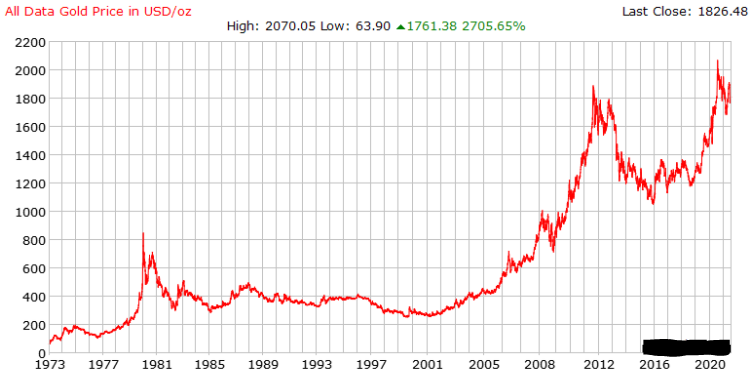
Recent reporting shows gold climbing above $4,400/oz on safe-haven flows, and many forecasts expect the trend to persist through 2026.
Step-by-Step Guide on How to Buy Gold in Africa
Here’s a clear 5-step guide on how to buy gold in Africa, designed for serious investors, jewelers, and international buyers looking for a safe, legal, and profitable transaction:
Identify a Reliable Gold Source:
- Choose a Country: Top gold-producing countries include Ghana, South Africa, Tanzania, Uganda, Sudan, and Mali.
Decide on Source Type:
- Licensed miners/artisanal miners for lower prices.
- Refineries or dealers for purity assurance.
Verify Legitimacy:
- Request licenses, permits, and mineral export certificates.
- Use local government agencies to verify seller authenticity.
Tip: Always work with government-registered dealers or refineries.
Conduct Due Diligence:
- Test the Gold: Use assay services (fire assay, XRF, or lab analysis) to verify purity (e.g., 18K = 75% gold).
- Confirm Ownership: Ensure the seller has clear title and the gold is not under legal dispute.
Request Documents:
- Gold origin certificate
- Assay report
- Proof of legal mining/export rights
Tip: Hire a local attorney or consultant to help navigate the legal side.
Negotiate Price and Payment Terms:
- Pricing is typically based on the daily international spot price, minus a discount (e.g., 5–10%) for raw or unrefined gold.
Payment Structures:
- Bank wire (escrow recommended)
- Letter of credit (LC)
- Cash deals (only with secure contracts and in-country handling)
Agree on Quantity & Purity:
- Clarify karat (e.g., 18K, 22K)
- Weigh in front of the buyer
Tip: Avoid upfront payments until the gold is tested and verified.
Arrange Export & Compliance:
- Work with a Licensed Exporter to process:
- Export permit
- Customs clearance
- Payment of royalties/taxes (usually 3%–6%)
- Transport: Use secure logistics like Brinks, Malca-Amit, or government-cleared freight partners.
Tip: Gold must leave the country legally, illegal shipments risk seizure and blacklisting.
Receive the Gold or Import to Your Country:
If you’re in Africa:
- Take delivery in person at the refinery or vault.
If you’re overseas:
- Track shipment
- Clear customs at destination using legal import documents
- Optional: Reassay gold upon arrival for buyer assurance.
Tip: Use an independent lab or certified jeweler to verify purity upon delivery. Find about Buy gold from Africa Here.
Which Country Has the Cheapest Gold in Africa Today?
Currently, Uganda has the cheapest gold in Africa due to lower production costs, minimal export restrictions, and a weak local currency against the USD.
Top 5 African Countries with the Cheapest Gold (2026)
| Rank | Country | Approximate 24K Gold Price per Gram (USD) | Key Factors for Low Price |
|---|---|---|---|
| 1 | Uganda | $139 – $140 | Artisanal mining, low dealer premiums, weak currency (UGX/USD) |
| 2 | Democratic Republic of Congo (DRC) | ~$139 – $140 | Abundant deposits, informal trade, competitive local markets |
| 3 | Mali | ~$138 – $140 | Growing mining sector with competitive pricing |
| 4 | Tanzania | ~$140.50 – $142 | Increasing mining output, moderate premiums |
| 5 | South Africa | ~$140.70 – $143 | Large-scale mining, Rand currency weakness benefits |
-
Uganda currently has the cheapest gold on the continent with a 24K gold price around $139 to $140 per gram (equivalent to ~499,000 to 500,000 UGX), reflecting recent market data showing gold prices around 550,452 UGX per gram (about $139USD using exchange rates on Jan 2026).
-
DRC, Mali, Tanzania, and South Africa gold prices are estimated based on previous market trends and are in the $137 to $141 per gram range.
-
Specific up-to-date granular pricing for these countries is less readily available but tends to stay close due to regional market dynamics and currency factors.
The marked increase in Uganda’s gold price compared to earlier estimates is largely due to fluctuations in currency exchange and local market conditions, making Uganda notably the cheapest gold source in Africa despite the price rise.
Why gold prices differ across African countries:
1. Currency Exchange Rates:
Gold is priced globally in USD, but each African country uses its local currency.
If a country’s currency weakens against the U.S. dollar, gold becomes more expensive locally, even if the global price stays the same.
For example, gold may cost more in Nigerian Naira than in Ghanaian Cedis due to currency fluctuations.
2. Local Demand and Supply:
Countries with strong domestic demand (e.g., for jewelry, investment, or export) often have higher gold prices due to local competition.
In contrast, countries with an excess supply may sell gold at lower rates to attract buyers.
3. Import & Export Policies:
Taxes, government regulations, and customs duties can influence gold prices.
For instance, a country that heavily taxes gold exports or restricts trade may have artificially inflated local prices, while others with liberal gold trade policies may offer more competitive rates.
4. Refining and Purity Standards:
Not all countries use the same gold purity standards or refining infrastructure.
Some sell raw or unrefined gold, while others offer certified 24K or 22K bars, which are usually more expensive.
Better-refined gold demands a premium price.
5. Dealer Markups and Market Competition:
In countries where few dealers dominate the market, gold prices can be higher due to a lack of competition.
In more competitive markets like Ghana or South Africa, multiple traders drive prices closer to international rates.
Why Invest in African Gold?
- High Purity. African gold is known for its excellent quality, with many countries offering 99.9% pure 24K gold.
- Competitive Prices. Compared to global markets, Africa provides lower premiums and better deals for investors.
- Vast Opportunities. Whether you’re buying in bulk or small quantities, Africa’s diverse gold market provides great investment options.
Gold Price Predictions for 2026 & Beyond
Gold’s trajectory continues to be shaped by unprecedented global macroeconomic forces, strong central bank buying, and elevated investor demand.
Prices remain at historically high levels, and analysts project ongoing strength through 2026 and beyond.
Short‑Term Outlook – 2026
Projected Price Range: ≈ $3,900 – $4,600 per ounce.
Gold has continued to hover near record highs above $4,400 / oz, occasionally surpassing $4,500 / oz in early 2026, driven by sustained safe‑haven demand, expectations of further U.S. Federal Reserve easing, and persistent global economic uncertainty.
Bullish Drivers:
-
Continued rate easing by the Federal Reserve and other major central banks.
-
Weak U.S. dollar relative to major currencies.
-
Strong central bank purchases, particularly from China, India, and other emerging markets.
-
Elevated geopolitical tensions and inflation concerns, boosting gold’s safe-haven appeal.
Volume Trends:
-
Precious metals markets continue to see high trading activity.
-
Futures markets and ETFs remain robust, reflecting strong investor interest and liquidity.
Market Dynamics:
-
Gold is experiencing one of its strongest multi-year performances in decades.
-
Momentum is supported by persistent macroeconomic uncertainty and record institutional allocations.
Short-term Volume Note:
Higher trading volumes are expected throughout 2026 as institutional, sovereign, and retail investors increase gold allocations for portfolio protection and risk hedging.
Mid‑Term Outlook – 2026 to 2027
Expected Price Range: ≈ $4,300 – $5,100+ per ounce
Analysts from major global financial institutions (Goldman Sachs, JP Morgan, Bank of America) project gold prices climbing further through 2026 and into 2027:
-
Goldman Sachs: Forecasts gold near $5,000/oz by the end of 2026.
-
JP Morgan: Expects gold averaging around $5,055/oz by Q4 2026.
-
Bank of America and others: Suggest a high‑end range near $5,100/oz, driven by continued monetary easing, reserve diversification, and ongoing inflation pressures.
Volume Expectations:
-
Increased institutional engagement as banks and sovereign wealth funds shift reserves into gold.
-
Higher ETF and futures trading volumes as gold remains a core portfolio hedge amid persistent inflation and currency uncertainty.
Key Factors Driving Mid-Term Prices:
-
Persistent global inflation concerns
-
Central bank accumulation, particularly in Asia and emerging markets
-
Safe-haven flows during ongoing geopolitical volatility
Long‑Term Outlook – 2028 to 2030
Potential Price Range: ≈ $4,600 – $6,200+ per ounce
Long-term forecasts remain broadly bullish, driven by structural demand trends and constrained supply:
-
Many models see gold potentially exceeding $6,000/oz by 2030 if inflation stays elevated, central bank diversification continues, and currency pressures persist.
-
Under extended stress scenarios (e.g., de-dollarization or prolonged macroeconomic instability), some forecasts even project gold nearing $7,000/oz.
Long-Term Volume Forecasts:
-
Continued large-scale institutional and sovereign reserve accumulation draws liquidity into bullion markets.
-
Mining supply constraints and rising marginal production costs limit incremental new supply, supporting higher prices.
Trend Drivers:
-
Rising global debt levels
-
Persistently low or negative real yields
-
Growing demand in emerging markets and developing economies
Summary of Updated Predictions (2026 Edition)
| Timeframe | Expected Price Range (per oz) | Key Volume & Market Drivers |
|---|---|---|
| 2026 (Short-Term) | $3,900 – $4,600 | Safe-haven demand, rate easing, strong trading volumes |
| 2026–2027 (Mid-Term) | $4,300 – $5,100+ | Institutional demand, central bank buying, ETF flows |
| 2028–2030 (Long-Term) | $4,600 – $6,200+ | Structural demand, constrained supply, macro hedging |
Why These Trends Matter for African Markets
-
African gold prices typically track global spot prices closely but include local currency and premium effects.
-
Rising global gold prices often translate to higher local real returns for miners, dealers, and investors in countries like Uganda, Ghana, South Africa, and Nigeria.
-
Increased trading volumes and demand globally can boost liquidity in African gold markets, improving market depth and price discovery.
Important Notes
✔ All price forecasts are indicative, not guaranteed — gold prices are volatile and influenced by macroeconomic, geopolitical, and monetary policy factors.
✔ Predictions incorporate multiple analyst views and market consensus trends — ranging from moderate growth to highly bullish scenarios.
Investment Opportunities in Africa’s Gold Market
Africa’s gold market has emerged as one of the most promising avenues for investors seeking wealth preservation, portfolio diversification, and exposure to global commodities.
With vast mineral resources, growing local production, and increasing international demand, African gold presents multiple investment channels.
Below are key opportunities:
1. Buying & Holding Physical Gold
Investors can purchase gold bars, coins, or jewelry as a store of value.
Physical gold acts as a hedge against inflation, currency depreciation, and geopolitical uncertainty.
-
Countries with reliable gold markets: Ghana, South Africa, Uganda, Tanzania, and Mali are among the most accessible and transparent markets.
-
Market volumes: Africa produces roughly 500–600 tons of gold annually, with South Africa, Ghana, and Tanzania accounting for a significant share of physical trading.
-
Daily trading volumes in local bullion markets can range from $10–30 million in top hubs like Johannesburg, Accra, and Kampala.
-
Investment strategy: Holding physical gold requires secure storage and insurance, but it provides tangible ownership and immediate liquidity in local markets.
2. Investing in Gold Mining Stocks
African gold mining companies provide another pathway for investors to benefit from gold price appreciation without physically holding bullion.
-
Prominent companies:
-
AngloGold Ashanti (South Africa, Ghana, DRC)
-
Harmony Gold (South Africa)
-
Gold Fields Limited (South Africa, Ghana)
-
-
Market volume: Shares of these companies are highly traded on local and international exchanges, with daily turnover often exceeding $50–100 million USD globally, reflecting both local and foreign investor interest.
-
Advantages: Mining stocks offer potential dividends, capital gains, and indirect exposure to operational efficiencies and production growth. However, they carry company-specific risks such as labor disputes or operational challenges.
3. Gold Export Business
Africa’s gold export sector is a high-potential avenue for entrepreneurs and international buyers.
-
Export potential: African gold, especially from Ghana, Uganda, and South Africa, is in high demand in the USA, UAE, India, and China.
-
Requirements: Businesses must secure legal permits and comply with export regulations, which vary by country.
-
Market volumes: Africa exported approximately $30–35 billion worth of gold annually in recent years, with peak seasonal flows during Q1 and Q3.
-
International buyers are willing to pay premium prices for certified and conflict-free gold, increasing margins for compliant exporters.
4. Trading in Gold ETFs & Futures
For investors who prefer a paper-based or digital approach, gold-backed Exchange-Traded Funds (ETFs) and futures contracts offer an efficient way to gain exposure to gold price movements.
-
ETFs: Provide exposure to physical gold prices without the need for storage or insurance. African-focused ETFs may include holdings from South African mining companies or gold-producing ETFs traded on international exchanges.
-
Futures: Allow investors to speculate or hedge against gold price movements with leverage.
-
Trading volume: Global gold ETFs currently manage assets exceeding $200 billion USD, with daily trading volumes in excess of $1–2 billion, indicating strong liquidity and active participation from institutional investors.
Why Africa is Attractive for Gold Investment
-
Growing Production & Export Capacity: African nations are increasingly professionalizing gold mining and export processes.
-
Rising Global Demand: China, India, and the Middle East continue to drive demand for certified African gold.
-
Portfolio Diversification: Gold investments in Africa allow investors to hedge against global financial volatility while participating in a high-potential emerging market.
-
Liquidity: Active trading in physical gold, mining stocks, and ETFs ensures that investors can enter and exit positions efficiently.
Africa’s gold market is not just a commodity hub — it’s a strategic investment ecosystem.
By combining physical gold, mining equities, exports, and paper-based trading, investors can optimize returns, risk management, and market exposure, all while participating in one of the world’s richest mineral regions.
Regional Insights & Analysis
Uganda
-
Mining Sector & Export Potential: Uganda has recently discovered approximately 31 million tons of gold ore, estimated to yield about 320,158 tons of refined gold, valued at $12.8 trillion. This discovery positions Uganda as a significant player in the African gold mining sector.
-
Historical Trends: As of Jan 2026, the 24K gold price in Uganda is approximately UGX 449,50 per gram. Over the past year, prices have shown fluctuations, reflecting global market trends and local economic factors.
-
Currency-Adjusted Prices: With the Ugandan Shilling’s exchange rate impacting gold prices, investors should consider the local currency’s strength when evaluating investment opportunities.
Ghana
-
Mining Sector & Export Potential: Ghana remains one of Africa’s top gold producers, with a well-established mining industry and export infrastructure. The country continues to attract significant foreign investment in its gold sector.
-
Historical Trends: In Jan 2026, the 24K gold price in Ghana is around GHS 1,600 per gram. Over the past year, prices have experienced minor fluctuations, influenced by both global gold trends and local economic conditions.
-
Currency-Adjusted Prices: The Ghanaian Cedi’s exchange rate plays a crucial role in determining the cost of gold for international investors.
South Africa
-
Mining Sector & Export Potential: South Africa’s gold mining industry, though facing challenges, remains a significant contributor to the country’s economy. The sector continues to evolve with technological advancements and regulatory changes.
-
Historical Trends: As of Jan 2026, the 24K gold price in South Africa is approximately ZAR 2,500 per gram. Prices have shown variability, reflecting both domestic factors and global market dynamics.
-
Currency-Adjusted Prices: The South African Rand’s exchange rate impacts the affordability of gold for foreign investors, making currency fluctuations a key consideration.
Mali
-
Mining Sector & Export Potential: Mali is a leading gold producer in West Africa, with a growing mining sector that attracts international investment. The country’s gold exports are vital to its economy.
-
Historical Trends: In January 2026, the 24K gold price in Mali is approximately XOF 78,530 per gram. The market has experienced fluctuations, influenced by both local and global factors.
-
Currency-Adjusted Prices: The West African CFA Franc’s stability is crucial for maintaining consistent gold prices, affecting both local and international buyers.
Zimbabwe
-
Mining Sector & Export Potential: Zimbabwe’s gold mining industry is a significant part of its economy, with substantial export potential. The sector faces challenges but continues to be a key economic driver.
-
Historical Trends: As of January 2026, the 24K gold price in Zimbabwe is approximately $44,914 per ounce, equating to about $138 per gram. Prices have shown variability, influenced by both domestic issues and global market trends.
-
Currency-Adjusted Prices: The fluctuating value of the Zimbabwean Dollar impacts gold prices, making currency exchange rates a critical factor for investors.
Note: For accurate and up-to-date gold prices, it’s recommended to consult local gold trading platforms and financial institutions in each country.
Frequently Asked Questions
Where is gold cheapest in Africa?
A: The DRC and Uganda offer the lowest prices, especially on unrefined gold, often 10–15% below global spot.
Is it legal to export gold from Africa?
A: Yes, through licensed dealers and with proper export permits.
Which African countries refine gold locally?
A: South Africa, Ghana, and Tanzania have advanced refining facilities.
Is buying gold from Africa safe?
A: Yes, if purchased through registered dealers with assay certificates and export documents.
If you’re interested to Know How to Export Gold From Africa visit here.
Interested in Buying Gold in Africa? Gold Buyers Africa is your go-to source for the latest gold prices, secure transactions, and trusted gold dealers.
Gold prices in Africa are influenced by a myriad of factors, including production levels, economic conditions, and government policies.
Investors looking to buy gold from African countries should consider these variables to make informed decisions.
The table provided offers a snapshot of current prices, helping buyers understand the cost differences across the continent. For those interested in purchasing gold.
It’s essential to stay updated on the latest price trends and consider the various factors that may influence the market. Africa remains a key player in the global gold industry, offering diverse opportunities for investors.
Gold prices in different African countries contact stay ahead of the curve and make informed decisions with
Conclusion
Gold prices vary significantly across African countries due to factors like local mining output, purity levels, export regulations, and currency exchange rates.
Nations like Ghana, Uganda, Mali, DRC, and South Africa offer competitive prices, especially for bulk and 22K–24K gold.
While Ghana and South Africa are known for stable pricing and large-scale mining, Uganda and Mali attract buyers seeking high-purity gold at negotiable rates.
However, prices in each country also reflect logistical, tax, and legal differences. Always work with trusted dealers like Gold Buyers Africa to ensure fair pricing, purity, and legal compliance when sourcing gold across the continent.