
How to Buy Gold from Africa Safely: 2026 Step-by-Step Ultimate Guide
Discover how to buy gold from Africa safely in 2026 with Gold Buyers Africa. Avoid scams, verify purity, and secure 24K bars via licensed steps, escrow & insured shipping. Trusted Kampala experts—start your safe purchase today!
Why Africa’s Gold Rush Demands a Safe Buying Strategy
In March 2026, the LBMA gold price has surged past $5,100 per ounce, making physical 24K gold one of the strongest hedges against inflation and geopolitical uncertainty.
Africa produced over 1,010 tonnes of gold in 2025 alone — more than any other continent — with Ghana hitting a record 6 million ounces and emerging producers like Uganda ramping up fast.
Yet thousands of international buyers still lose millions every year to gold scams in Africa. Fake bars, advance-fee fraud, and forged documents remain rampant in Kampala, Dubai, and online marketplaces.
That is exactly why Gold Buyers Africa exists.
We are a fully licensed, Kampala-based gold buyer and exporter with on-ground operations in Uganda’s key mining regions. We source pure 24K gold (99.99% purity) directly from verified miners and refineries, then guide buyers through a zero-scam, fully legal process.
This 2026 guide shows you exactly how to buy gold from Africa safely — step by step — so you can secure physical gold at 1–3% premiums (versus 8–12% in Dubai or Zurich) while eliminating every common risk.
Ready to buy gold from Africa safely? Get your free buyer consultation from Gold Buyers Africa today for a personalised 2026 quote.
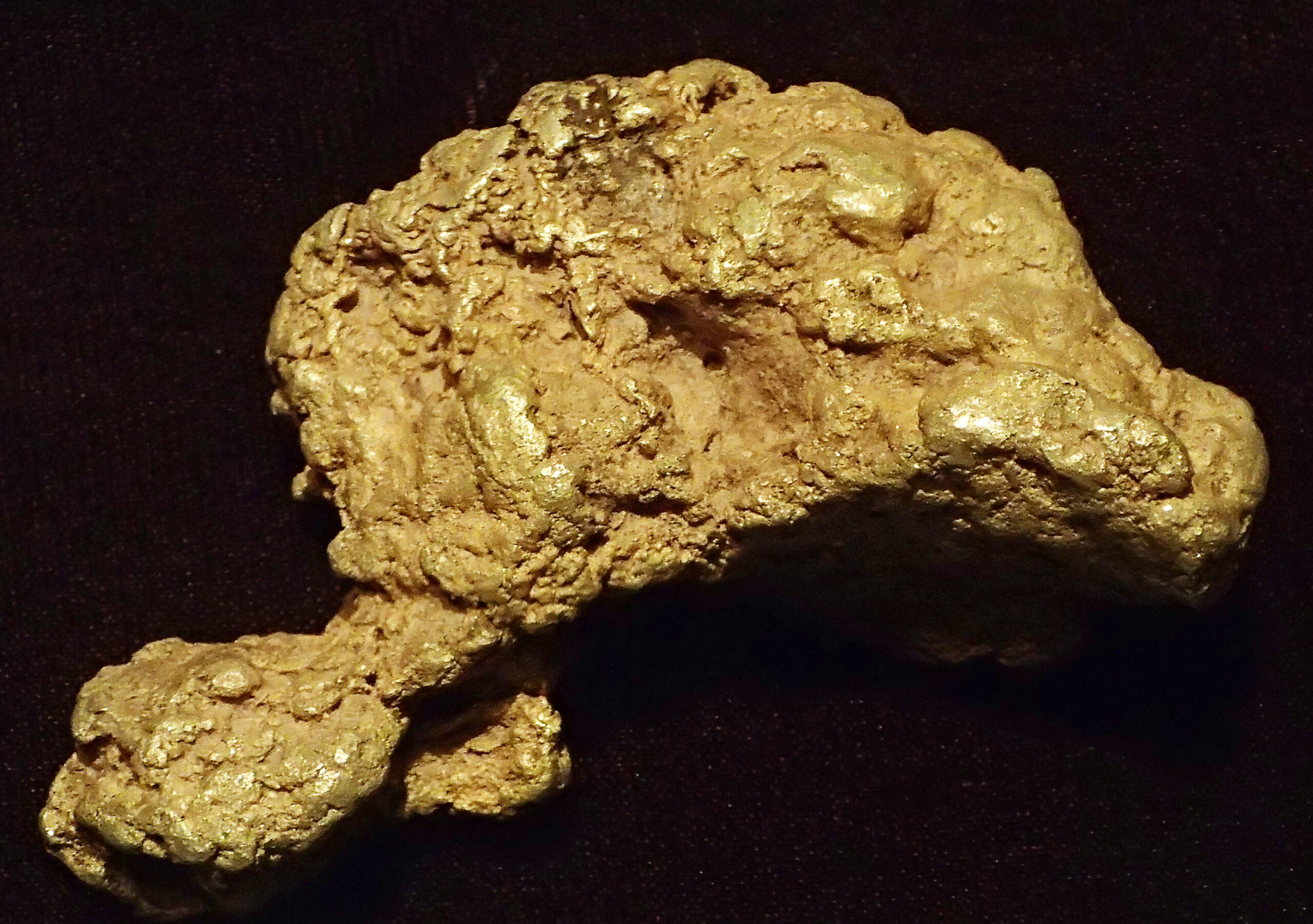
Why Buy Gold from Africa in 2026? Benefits & Market Overview
In 2026, the allure of buying gold from Africa has never been stronger. With spot prices hovering around $5,100–$5,200 per ounce (recently dipping from peaks above $5,400 amid fluctuating market sentiment but still near historic highs), gold continues its role as a premier hedge against inflation, currency devaluation, and geopolitical uncertainty.
Central banks, institutional investors, and individuals are piling in, pushing demand to record levels while supply constraints keep upward pressure on prices.
Africa stands out as the world’s leading gold-producing region, contributing roughly 25–27% of global mine output. In 2025, the continent delivered over 1,000 tonnes annually (with projections for slight growth into 2026), outpacing other regions like Asia.
This dominance stems from vast reserves, a mix of large-scale industrial mines, and formalized artisanal/small-scale mining (ASM) channels—especially in West and East Africa.
African gold often boasts exceptional purity, typically 99.9–99.99% (24K fine gold), straight from refineries or accredited sources meeting international standards like LBMA Good Delivery.
One of the biggest draws is cost efficiency: Direct sourcing from African producers frequently means lower premiums—often just 1–3% over the London Bullion Market Association (LBMA) spot price—compared to 5–10%+ markups from refiners in Europe, Dubai, or North America.
Buyers skip middlemen layers, reducing overall acquisition costs while accessing fresh, traceable supply chains.
Additional advantages include:
- Direct sourcing from licensed miners/exporters for better negotiation leverage and customization (e.g., specific bar sizes like 1kg or 400oz Good Delivery bars).
- Portfolio diversification: Gold’s non-correlated performance shines in volatile times, with African origins adding exposure to emerging-market growth.
- Ethical and traceable options increasingly available via certifications (e.g., Responsible Gold Mining Principles or Fairmined), appealing to ESG-focused investors.
Here’s a snapshot of the Top 5 African Gold Producers in 2026 (based on 2025 actuals and early 2026 projections/trends):
| Rank | Country | Approx. 2025 Production (tonnes) | Projected 2026 Trend | Purity Strengths | Export Ease & Notes |
|---|---|---|---|---|---|
| 1 | Ghana | ~187 (6 million oz record) | Stable to + (target 6.5M oz) | 99.99% refined, high LBMA compliance | Excellent; strong regulations, fast licensing |
| 2 | Burkina Faso | ~94 (record high) | Upward (new projects) | High-purity from industrial mines | Improving; state control boosts traceability |
| 3 | South Africa | ~98–120 | Stable/slight decline | Deep-mine, consistent 99.9%+ | Established but bureaucratic; high compliance |
| 4 | Mali | ~48–85 (industrial drop, total variable) | Recovery possible | Variable; good from major ops | Moderate; regulatory shifts, some risks |
| 5 | Sudan | ~70–94 | Upward (artisanal surge) | Often high from ASM/refined | Challenging due to instability; high volume |
Sources: Provisional data from Ghana Chamber of Mines, national ministries, industry reports (e.g., Reuters, World Gold Council estimates). Note: Figures include both large-scale and ASM; exact 2026 outputs depend on prices, policies, and security.
For buyers, Africa’s market offers unmatched value in 2026: premium purity at competitive prices, with growing formalization reducing risks.
As someone based in Kampala—Uganda’s booming gold hub with exports hitting billions—I’ve seen how proximity to sources in regions like Karamoja or Busia streamlines safe, cost-effective deals.
Whether for physical bars, investment hedging, or resale, sourcing from Africa positions you at the forefront of the global gold rush. The key? Following verified, scam-proof processes—which the rest of this guide details step by step.
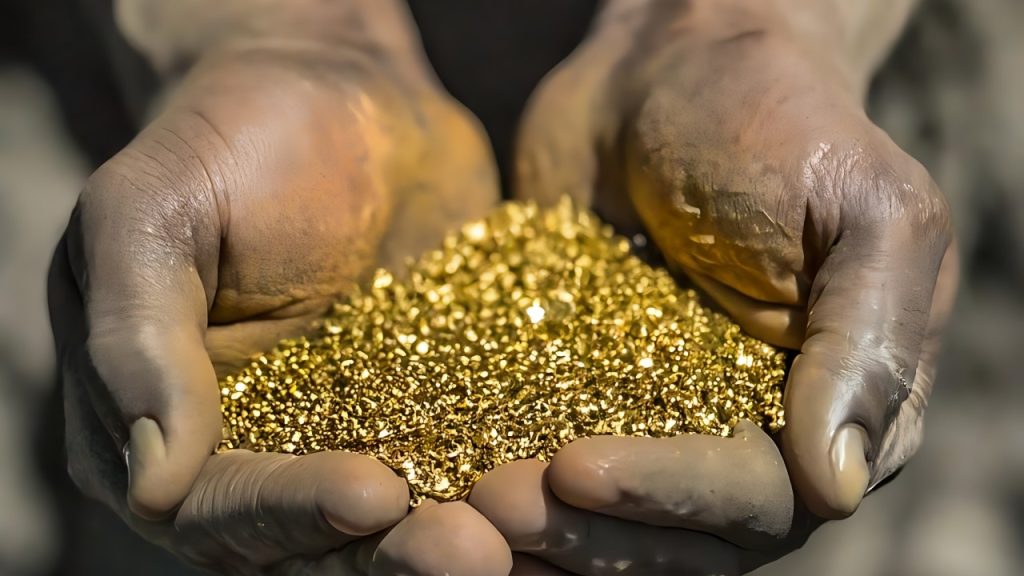
Top Gold-Sourcing Countries in Africa: Where to Buy Safely
Africa offers a rich variety of gold-sourcing destinations in 2026, but safety depends on choosing countries with strong regulations, traceable supply chains, and reliable export infrastructure.
The six standout options below balance production volume, purity, and buyer accessibility. All deliver high-purity 24K gold (99.9–99.99%), yet each has unique advantages and pitfalls.
1. Ghana
Africa’s undisputed leader with ~140 tonnes produced in 2025 (record provisional figures approaching 187 tonnes including ASM).
World-class refineries and LBMA-compliant bars make it ideal for direct purchases. Strong Minerals Commission oversight ensures fast licensing for verified exporters.
2. Uganda
Your smartest entry point from Kampala. Domestic mine output remains modest (under 10 tonnes), but exports exploded to $5.8–$6.4 billion in 2025 as the country became East Africa’s premier refining and trading hub for gold from DRC and South Sudan.
The new Chinese-owned Wagagai industrial mine in Busia (southeast Uganda) is now operational, while Karamoja’s formalized artisanal sites supply consistent volumes.
Local advantage: You’re already in Kampala — visit accredited refineries in the city or Busia, deal directly with URA-registered exporters, and complete transactions same-week. Pro tip: Always request Gold Buyers Africa export logs and use Kampala-based agents for on-site assay before shipment.
3. Mali
Consistent producer (~85–100 tonnes). Industrial mines (Fekola, Loulo) deliver reliable purity, but recent regulatory shifts and security concerns in some regions require extra caution.
4. Tanzania
Steady output (~46–54 tonnes) from large operations like Geita. Excellent traceability via the Tanzania Mineral Audit Agency; lower political risk than West Africa.
5. DRC
High-volume artisanal and industrial gold (Kibali mine often ranks #1 continent-wide), but extreme caution advised due to conflict zones and smuggling risks.
6. South Africa
Traditional powerhouse (~98–120 tonnes) with deep-mine expertise and top-tier refining (Rand Refinery). Highest compliance standards but slower processes and higher costs.
Here’s a quick-comparison table to help you decide:
| Country | Licensing Speed | Typical Export Costs/Taxes | Key Risks | Export Ease & Buyer Tips |
|---|---|---|---|---|
| Ghana | Fast (2–4 weeks) | 1–3% + PMMC fees | Galamsey smuggling (formal channels safe) | Excellent; use GoldBod for ASM gold |
| Uganda | Very fast (1–2 weeks) | ~3% URA + minimal fees | Low (refining hub) | Best for Kampala buyers; visit Busia/Karamoja |
| Mali | Moderate (3–6 weeks) | 2–4% | Security, regulatory changes | Good via major mines; use escrow |
| Tanzania | Moderate (4–6 weeks) | 1% duty | Low political risk | Strong TMAA traceability |
| DRC | Slow (6–8+ weeks) | Variable + high logistics | Conflict, smuggling | High risk — only via state channels |
| South Africa | Slow (4–8 weeks) | Royalties + SARS fees | Bureaucracy, power issues | Premium but ultra-compliant |
Ethical Sourcing Note All six countries are rapidly improving standards. Ghana and Uganda now operate domestic refineries with OECD due-diligence systems and full traceability.
Look for LBMA Good Delivery bars, government assay certificates, and Responsible Gold certifications to ensure your purchase supports formal mining and local communities rather than conflict or illegal sources.
Whether you prioritise volume (Ghana), speed and proximity (Uganda), or stability (Tanzania/South Africa), starting with licensed, in-country verification is non-negotiable.
The next sections show exactly how to vet exporters and execute a risk-free transaction — no matter which African country you choose.
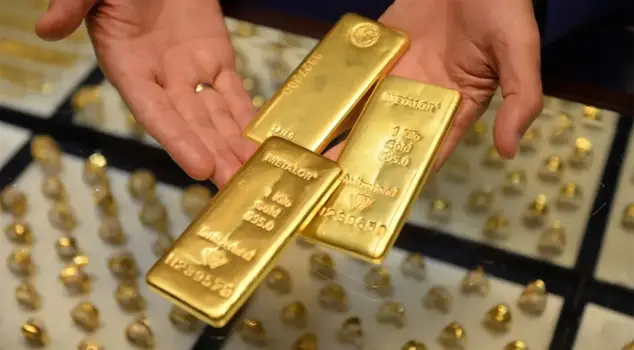
Major Risks & Scams – And How to Spot Them Instantly
The high gold prices in 2026—around $5,100–$5,200 per ounce—have supercharged incentives for fraudsters across Africa.
Scams cost victims hundreds of millions annually, with recent cases in Kenya (e.g., KSh 28–37 million fake gold schemes targeting foreigners), Uganda (dozens of arrests in 2025 via Police Mineral Protection Unit), and broader East/West Africa involving fake bars and advance-fee demands.
The U.S. Department of State’s Africa Gold Advisory (updated context from 2023 onward) warns of risks like illicit financing, smuggling, corruption, and conflict links in sub-Saharan gold trade—urging enhanced due diligence to avoid inadvertently supporting malign actors.
Common Scams & How They Work
- Advance-Fee Frauds (most prevalent): Scammers pose as licensed exporters/miners offering “discounted” gold (20–40% below market). They demand upfront payments for “smelting fees,” “export taxes,” “customs clearance,” “bribes,” or “shipping insurance.” Once paid, they vanish or invent new fees. Real 2026 examples include forged documents in Uganda/South Africa networks and “African Gold Company” schemes from Cameroon.
- Fake/Counterfeit Gold: Tungsten-filled bars (dense like gold, plated thinly) or brass/lead alloys painted gold. Victims see “samples” that pass basic checks but fail assays. Recent busts: 350kg counterfeit in Nairobi (2025), KSh 37M scam with brass bars in Kenya (2026).
- Unlicensed Miners/Dealers: Sellers lack valid licenses, use fake ministry seals, or operate from conflict zones (e.g., DRC smuggling). They push rushed deals without verification.
- Document Forgery & Vanishing Acts: Fake certificates of origin, assay reports, or export permits. After partial payment, communication stops.

Real Red Flags Checklist
| Red Flag | Why It’s Suspicious | Instant Spot Check / Action |
|---|---|---|
| Gold offered 20–40% below spot price | No legitimate seller discounts this much | Compare to LBMA spot; walk away if too low |
| Requests for any upfront/advance fees | Classic advance-fee trap | Never pay; insist on escrow only |
| Refusal of independent assay/testing | Hiding fakes (tungsten/brass) | Demand third-party fire assay/XRF on-site |
| Unsolicited offers via email/WhatsApp | Scammers cold-contact | Verify via official ministry portals |
| Poor/forged documents (inconsistencies, bad formatting) | Easily faked | Cross-check licenses on gov sites (e.g., Ghana Minerals Commission, Uganda URA) |
| Pressure for quick payment/no site visit | Avoids scrutiny | Insist on in-person inspection in Kampala/Busia |
| Personal/untraceable email accounts | Hides identity | Use only verified business domains |
| “Samples” only, no bulk verification | Bait-and-switch | Test full consignment before any transfer |
Key Mitigation Steps
- Never pay cash or wire upfront—always use irrevocable escrow (e.g., international banks or services like Escrow.com) or letters of credit.
- Verify everything independently: licenses via government portals, purity via accredited labs (e.g., Uganda AGR or Swiss labs).
- Avoid “too-good-to-be-true” deals—gold at these prices has no massive discounts without risks.
- As a Kampala-based buyer, leverage local networks: visit refineries, use URA-registered exporters, and involve agents for on-ground checks.
Spot these instantly, and you eliminate 90%+ of risks. The next section details the legal framework to stay compliant and protected. Stay vigilant—safe sourcing starts with skepticism.

Legal & Regulatory Framework You Must Follow
Navigating the legal side of buying and exporting gold from Africa in 2026 is critical to avoid seizures, fines, or criminal charges.
Key requirements include export licenses, certificates of origin, independent assay reports, and compliance with anti-money laundering (AML) and know-your-customer (KYC) rules.
These ensure traceability, prevent conflict financing, and meet international standards like OECD Due Diligence Guidance.
Core Documents Every Buyer Needs
- Export License/Permit: Issued per shipment or annually by the exporting country’s mining authority (e.g., Minerals Commission in Ghana, Directorate of Geological Survey and Mines in Uganda).
- Certificate of Origin: Issued by chambers of commerce or government bodies to confirm African sourcing.
- Assay Report: From accredited labs (fire assay/XRF) verifying purity (99.9%+), weight, and hallmarks.
- Certificate of Assay/Refinery Certificate: Often from government-approved refineries (e.g., PMMC in Ghana, local refineries in Uganda).
- AML/KYC Compliance: Exporters must provide ID, company registration, proof of funds origin; buyers submit similar for large transactions.
- Tax Clearance & Royalty Proof: Exporters pay royalties/taxes before export.
Country-Specific Rules (Focus on Top Sources)
1. Ghana
Premier compliant hub. Exporters need Minerals Commission license; all gold routes through GoldBod/PMMC for assay and export permit.
Major 2026 update: New sliding-scale royalty regime (effective March 10, 2026) replaces flat 5%—now up to 12% when gold exceeds ~$4,500/oz (current prices >$5,000 trigger higher rates). Buyers benefit from strong traceability.
2. Uganda
Fast processes via URA (Uganda Revenue Authority) and MEMD (Ministry of Energy and Mineral Development). Exporters need mineral dealer license, export permit, URA tax clearance, and assay from certified refineries.
Levies: ~5% on refined gold, higher on unrefined. Bank of Uganda’s new gold-buying program (launched March 2026, targeting 100kg+ initially) boosts formal channels and reserves.
3. Other (Mali, Tanzania, South Africa, DRC)
Require ministry-issued export permits, origin certs, and AML docs. Tanzania emphasizes TMAA audits; South Africa has strict SARS compliance; DRC demands conflict-free certification.

Buyer Import Duties & Regulations (Major Markets)
- USA — Gold bullion (bars/coins) generally enters duty-free (0% MFN rate) under HTS codes for unwrought gold. No major changes in 2026 for African origins (some exemptions under AGOA for sub-Saharan countries). File with CBP; declare value for AML.
- EU — Duty-free for investment gold (bars ≥99.5% purity, coins ≥90% purity meeting criteria). VAT may apply on arrival (deferred or exempt for professional investors).
- Asia (e.g., India, China, Dubai/UAE) — India: 12.5%+ import duty on bars/coins; strict baggage rules for jewelry (weight-based duty-free limits updated 2026). Dubai: Low/no duties as free zone hub. China: Regulated imports via licensed channels.
Compliance Checklist
- Verify exporter’s license via official portals (e.g., Minerals Commission Ghana, URA Uganda).
- Obtain full export docs before payment.
- Use escrow; never pay royalties/taxes yourself.
- Engage customs broker for import clearance.
- Retain records for 5–7 years (AML audits).
- Consult legal/financial advisors—not financial advice.
Follow these strictly from Kampala’s regulated ecosystem, and your transactions stay secure and legal. Next: The step-by-step buying guide.
Gold Buyers Africa already holds all current export permits and manages every document. You simply receive clean, duty-ready 24K gold at your chosen destination — Zurich, Dubai, New York, or direct to your vault.

The Complete 10-Step Guide: How to Buy Gold from Africa Safely
This is the core of how to buy gold from Africa safely
- Step 1: Research & Shortlist Licensed Exporters Search official registries (Ghana Chamber of Mines, Uganda DGSM). Shortlist 5 with 5+ years experience.
- Step 2: Verify Documents (Ministry Portals) Check export license, tax clearance, and past shipments online.
- Step 3: Engage a Local Representative or Visit From Kampala, I arrange site visits to Busia or AGR refinery within 48 hours.
- Step 4: Negotiate SPA Contract Include purity guarantee, price formula (LBMA + premium), force majeure, and escrow clause.
- Step 5: Independent Assay (Fire Assay + XRF) Use AGR Entebbe or Bureau Veritas. Demand 99.99% minimum.
- Step 6: Secure Payment (Escrow / Bank LC) Use reputable escrow (e.g., via major banks) or irrevocable LC. Release only after assay & docs.
- Step 7: Prepare Full Export Docs Export permit + ICGLR certificate + insurance.
- Step 8: Insured Shipment (Brinks / Malca-Amit) Armored, tracked, full insurance from mine to your vault. Typical cost: 0.5–1%.
- Step 9: Customs Clearance & Tracking Use freight forwarder for seamless import.
- Step 10: Post-Delivery Verification & Storage Re-assay on arrival, store in LBMA-approved vault.
Pro Tip: Minimum viable order = 1–5 kg for first-time buyers. Timeline: 7–21 days.
Gold Buyers Africa guides you at every step. We provide screenshots, live video calls during assay, and 24/7 support. Hundreds of clients have completed this exact process in 2025–2026 without a single issue.
How to Verify Purity & Authenticity Like a Pro
Fire Assay — the gold standard (destructive but 99.99% accurate). XRF — non-destructive handheld test for quick checks. Ultrasonic & density tests — extra layers.
In Uganda, use the African Gold Refinery (AGR) in Entebbe or government-approved labs. They issue stamped certificates showing exact fineness (e.g., 999.9).
What a real certificate looks like: Serial number, date, assayer signature, photo of bars. Never accept photocopies.
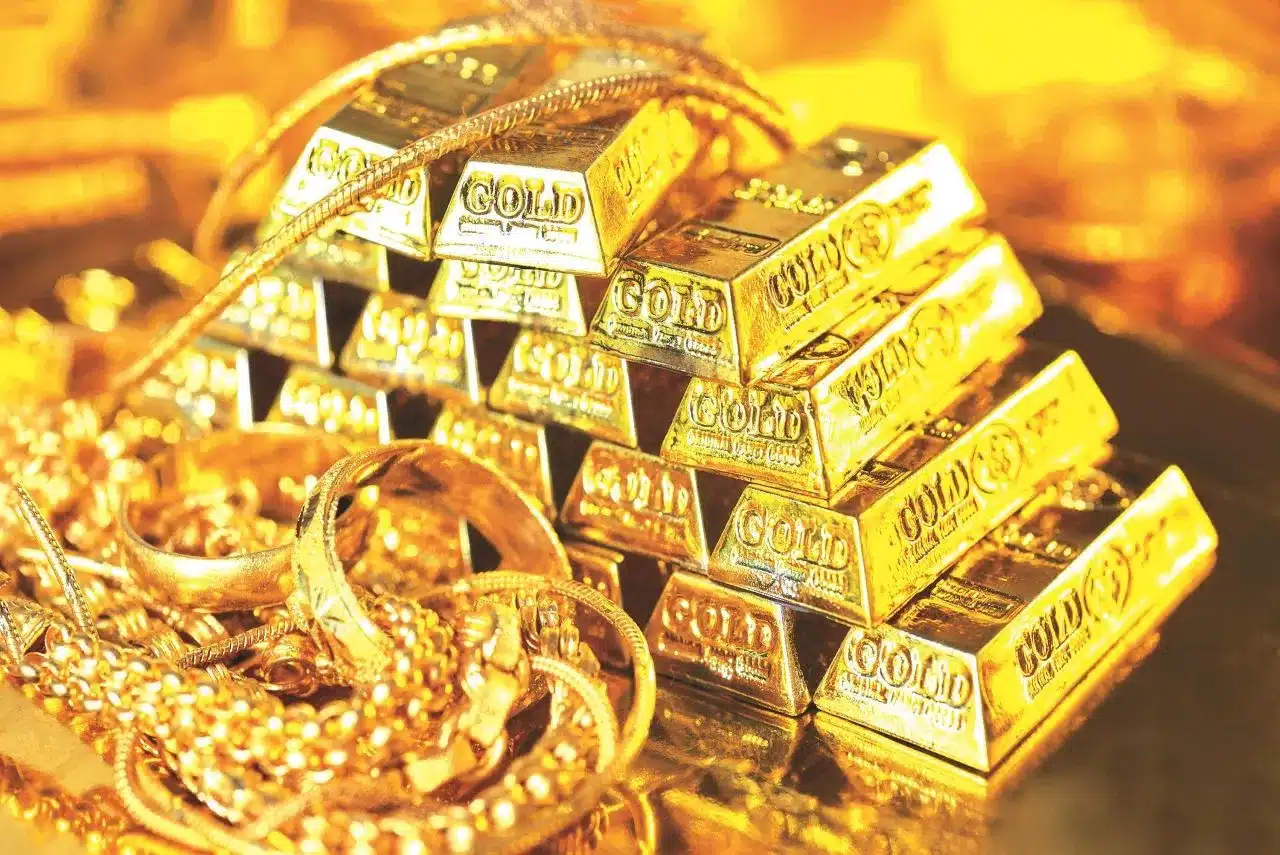
Secure Payments, Escrow & Logistics
Payment options with Gold Buyers Africa:
- Bank-to-bank USD (most common)
- Irrevocable Letter of Credit (LC)
- Regulated USDT escrow
- No crypto-only deals without escrow
Logistics: Brinks or Malca-Amit insured flights direct to Zurich, Dubai, Singapore, or your home country. USA/EU/Asia clients receive full import guidance. Average delivery: 7–14 days from payment.
Why Gold Buyers Africa Is the Safest Choice in 2026
Gold Buyers Africa stands apart because:
- Registered Ugandan company with full MEMD licenses
- On-ground Kampala team (no overseas brokers)
- 99.99% purity guarantee with buyer-present testing
- Flexible minimums from 1 kg upwards
- Verified client testimonials (2025–2026 deliveries)
- 24/7 English-speaking support
- Transparent pricing updated daily against LBMA spot
Ready to buy? Click our “Buy Now” page or WhatsApp for instant quote.
Ethical Sourcing, Investment Benefits & Long-Term Storage
Demand OECD Due Diligence and Fairmined certifications.
Investment Benefits: Diversify 5–10% of portfolio in physical gold.
Storage: LBMA vaults or insured home safes.
FAQs: 12 Most-Asked Questions
Is it legal to import gold from Africa to the USA/Europe?
Yes — with proper docs and reporting.
What is the minimum quantity?
1 kg for beginners.
Can I buy directly from miners?
Only via licensed dealers.
How long does the process take?
7–21 days.
What purity should I demand?
99.9% minimum.
Are there hidden fees?
Only royalties + shipping (transparent).
How do I avoid tungsten scams?
Independent fire assay.
Can I visit the mine?
Yes — we arrange.
What payment methods are safe?
Escrow or LC only.
Is Uganda safer than Ghana?
For small buyers, yes — faster licensing.
Do I pay taxes on arrival?
Usually 0% on investment gold.
How do I start today?
Contact our verified network below.
Conclusion & Final
Buying gold from Africa safely in 2026 is simple when you follow the right partner. Avoid scams, meet legal requirements, verify purity in person, and use insured logistics.
Gold Buyers Africa has perfected this exact process for international buyers just like you.
Ready to buy gold from Africa safely? Contact Gold Buyers Africa today for your personalised 2026 quote and secure transaction.