
1 Gram of Gold Price Today: Current Value, Trends, and How to Make Smart Investment Decisions
1 Gram of Gold Price Today: As of October 6, 2025, the price of 1 gram of gold varies globally, reflecting fluctuations driven by economic and geopolitical factors.
In Uganda, the current price is approximately 432,408 Ugandan Shillings (UGX) as of the latest data from late September 2025.
In the United States, the price per gram is about $126.34, based on a gold price of around $3,940.56 per troy ounce.
The Eurozone sees a price of approximately €107.60 per gram of 24K gold, reflecting currency exchange rates and local demand.
In Dubai, United Arab Emirates, gold prices closely track global spot rates, with 1 gram costing roughly $126 or the equivalent in AED, consistent with the global price per ounce.
India’s gold market shows the price of 24K gold at about ₹12,077 per gram, reflecting steady demand amid inflation concerns and geopolitical tensions.
Meanwhile, in Canada, the price of 1 gram of gold comes to about CAD 170, adjusted from global spot prices in U.S. dollars.
These prices underscore gold’s role as a safe-haven investment affected by major global factors such as inflation rates, central bank monetary policies, currency strengths especially of the U.S. dollar, and geopolitical uncertainties that drive investor behavior.
The gold price per troy ounce, standing near $3,940, has seen an upward trend recently due to these influences, making the per-gram price a convenient and important measure for investors worldwide.
Current Global Gold Price Per Gram in Major Currencies
Here is the current global price of 1 gram of gold in various currencies and key locations.
| Country/Region | Price per Gram | Currency |
|---|---|---|
| United States | 126.92 | USD |
| Eurozone | 108.38 | EUR |
| Uganda | 432,083 | Ugandan Shillings |
| Dubai | ~126.00 | USD / AED |
| India | 12,077 | INR |
| Canada | 177.34 | CAD |
What Affects the Price of 1 Gram of Gold?
Gold is one of the most closely watched commodities in the world, and its price fluctuates in response to various global factors.
Understanding what influences the price of 1 gram of gold is essential for buyers, investors, and even collectors. The price isn’t determined by a single factor but by a complex web of economic, geopolitical, and market-driven elements.
Let’s explore the major influencers on the price of gold.
1. Economic Indicators
Inflation: One of the most important economic factors that affects the price of gold is inflation. When the value of paper currency decreases due to inflation, the purchasing power of money declines, and gold tends to rise in price.
Gold has historically been seen as a hedge against inflation because it holds its intrinsic value when the cost of living increases. Investors often turn to gold to preserve wealth during times of high inflation.
- Currency Devaluation: When a country’s currency loses value, whether due to inflation or other factors like political instability, gold prices generally rise. For example, when the U.S. dollar weakens, gold becomes more expensive for holders of other currencies, driving up demand. Conversely, when the dollar strengthens, gold can become less attractive, and prices may fall. This inverse relationship between the value of the dollar and gold is a key reason why the price of gold is often quoted in U.S. dollars.
- Economic Policies: Government monetary policies, especially those related to interest rates, also play a significant role in gold prices. When central banks lower interest rates, it makes holding gold more attractive since it doesn’t yield interest. In times of low rates, the opportunity cost of holding gold—which doesn’t generate income like bonds or savings accounts—becomes less of a concern. On the other hand, when interest rates rise, the opportunity cost of holding gold increases, which could lead to a drop in gold demand and lower prices.
2. Global Events & Geopolitics
Geopolitical Tensions: Gold is often referred to as a “safe haven” asset, meaning it tends to perform well during periods of geopolitical instability. When tensions rise—whether due to war, civil unrest, or political uncertainty—investors seek the relative safety of gold.
For instance, during periods of international conflict or uncertainty, such as the wars in Iraq or the ongoing tensions between major powers, gold prices tend to increase as people move their money into gold to avoid volatility in stock markets or fiat currencies.
- Global Economic Crises: Economic downturns, such as the global financial crisis of 2007-2008, create uncertainty in financial markets. During these times, gold prices tend to rise as investors flock to precious metals as a safer store of value. Economic crises often lead to concerns about the stability of the banking system, and gold has been historically seen as an asset that retains value when other financial assets like stocks or bonds decline.
- Pandemics & Health Crises: The COVID-19 pandemic is a perfect example of how global health crises can affect gold prices. During the initial stages of the pandemic, markets saw a dramatic surge in gold prices as investors sought security in tangible assets. The uncertainty surrounding global economies, along with government spending and stimulus packages, triggered a flight to gold as a safeguard against the economic damage caused by the pandemic.
3. Supply & Demand Factors
Gold, like any commodity, is subject to the basic economic principle of supply and demand. However, gold’s market dynamics are unique, given its role as both a currency hedge and a precious metal used in various industries, such as jewelry, electronics, and manufacturing.
- Gold Mining & Production: The total supply of gold is heavily influenced by mining production. Over the years, as gold mining becomes more expensive, the cost of extracting gold increases. This drives the price of gold up. On the other hand, if gold production exceeds demand, prices can fall. The top gold-producing countries like China, Russia, and Australia have a direct impact on the supply side of the market. Additionally, if there are disruptions in mining due to natural disasters or political instability in mining regions, gold supply can be limited, driving prices higher.
- Recycling & Secondary Supply: Gold recycling also plays a role in meeting market demand. When gold prices are high, more people are motivated to sell or recycle their old jewelry, electronics, and other gold items, thus increasing the available supply. While recycling contributes to the supply, it’s not enough to balance out large shifts in demand, especially during times of economic uncertainty.
- Demand from Jewelry & Technology: The demand for gold is also driven by its use in jewelry, particularly in countries like India and China, where gold has significant cultural and economic value. As demand for gold jewelry rises, so does the overall price. Additionally, gold is widely used in electronics and technology due to its high conductivity and corrosion resistance. A rise in technological demand can further push up gold prices.
Learn about the cultural and economic factors behind gold demand in China and India.
4. The Role of Central Banks
Central Bank Gold Reserves: Central banks hold large reserves of gold, and their buying or selling actions have a direct impact on gold prices. When central banks purchase gold, it signals to the market that gold is considered a reliable store of value.
This can increase demand and push prices higher. Conversely, when central banks sell gold from their reserves, it can increase supply and depress prices.
For instance, if the U.S. Federal Reserve or the European Central Bank were to sell a large portion of their gold holdings, this could send a bearish signal to the market, reducing the price of gold.
- Gold as a Monetary Asset: Central banks, particularly in emerging economies, view gold as a vital asset for diversifying foreign reserves and reducing dependency on the U.S. dollar. As countries like Russia, China, and India increase their gold reserves, this can create upward pressure on the price of gold. These nations often accumulate gold during times of economic uncertainty, further reinforcing gold’s role as a financial hedge.
The price of 1 gram of gold is influenced by a wide array of factors, from economic conditions such as inflation and currency devaluation to geopolitical events and the ongoing balance of supply and demand.
Central banks, too, have a significant impact through their reserve management and buying and selling decisions.
Understanding these dynamics is key to making informed decisions about when to buy, sell, or hold gold as an investment.
As always, gold’s ability to retain value during uncertain times makes it a timeless asset that continues to attract attention from investors worldwide.

To better understand where gold is headed and how to start investing wisely, explore our detailed guides on How to Invest in Gold and Gold Price Trends in the Last Decade.
Gold Price Trends Over Time
Historical Context
Gold has a long track record as a store of value, and its pricing has reflected major shifts in the monetary and economic systems over the decades.
Prior to the 1970s, many countries maintained fixed exchange systems or gold backing of currencies (e.g. under the Bretton Woods system), which limited how freely gold’s price could move.
After the United States decoupled the dollar from gold in 1971, gold was allowed to float more freely in global markets.
Over the late 20th century, gold saw periods of wide volatility:
-
In the late 1970s and early 1980s, gold experienced significant surges due to high inflation, energy crises, and geopolitical tensions — pushing gold into the hundreds of dollars per ounce.
-
Through the 1980s and 1990s, gold underwent periods of retracement, as interest rates came down and investor interest shifted toward equities and bonds.
-
By the early 2000s, gold began a sustained upward trend, driven by global growth, increasing investment demand, and periodic financial crises.
-
The 2008–2009 global financial crisis was a turning point: gold jumped as investors sought a safe-haven from collapsing credit markets.
-
In 2011, gold reached a major peak around USD ~$1,900 per ounce (nominal) before entering a multi-year consolidation phase.
-
More recently, gold has been pushing new highs, supported by macroeconomic uncertainty, inflation pressures, and safe‑asset demand.
These historical pulses show that gold tends to rally strongly in times of systemic stress, and pause or correct when markets return to stable growth pathways.
Recent Trends (Past 12 Months)
Over the last year, gold prices have seen sizable upward movement. According to commodity trackers, gold is up approximately 45 % year-over-year (in U.S. dollar terms). Trading Economics In October 2025, gold traded at ~$3,860 per ounce, nearing record highs.
Key drivers behind this surge include:
-
Weakening U.S. dollar / interest rate expectations: As expectations grow for central banks (especially the U.S. Federal Reserve) to ease monetary policy, real yields are under pressure, making non‑yielding assets like gold more attractive.
-
Safe‑haven demand: Amid global economic uncertainty and geopolitical tensions, investors have turned toward gold as a relatively stable asset.
-
Inflation and monetary stimulus: Expectations of continued inflation and continued stimulus in major economies have added to gold’s appeal as a hedge.
-
Limited new supply / production constraints: Gold mining is capital- and time-intensive; expansions and new projects are slow, so rising demand outpaces supply gains.
Because gold is usually quoted per troy ounce, if you want to express the trend for 1 gram of gold, you’ll convert accordingly (1 troy ounce ≈ 31.1035 grams).
The steep rise in the ounce price thus implies a proportional rise in the gram price over the same period (minus minor local market spreads, premiums, and currency effects).
You might also mention monthly or quarterly turning points—for example, periods when gold pulled back briefly before resuming upward momentum—to show that the trend is not smooth but often punctuated with corrections.
Future Predictions
Looking ahead, many analysts remain cautiously bullish on gold. According to forecasts from organizations like LiteFinance, gold could climb further in 2025, with target ranges reaching USD ~$4,030 to $4,036 by year-end.
Other forecasts are more conservative, putting average 2025 gold prices in the range of $3,000 to $3,300, assuming inflation remains in check and economic growth stabilizes.
Some of the factors that may influence whether gold continues upward or faces resistance:
-
If central banks aggressively cut rates, real yields may compress further, supporting gold.
-
Alternatively, if inflation surprises upward or economic growth rebounds strongly, rates might stay elevated, putting pressure on gold.
-
Geopolitical events, currency instability, and credit market stresses remain wildcards that could drive rapid spikes in demand for gold as a safe-haven.
-
On the supply side, if mining output increases materially, or if major holders choose to sell reserves, that could cap price gains.
For your audience, you might translate forecasts into the gram price (dividing by ~31.1) and provide a localized view (adjusted for currency, local premiums, and local demand).
Combine these forecasts with caveats (that projections are never certain) and emphasize that timing, risk control, and diversification are key.
How to Buy Gold at the Best Price
Buying gold is not just about walking into a shop and making a purchase. To ensure you’re getting the best price for 1 gram of gold, you need to be informed, cautious, and strategic.
Whether you’re a first-time buyer or a seasoned investor, understanding where and how to buy gold can save you money and ensure you get the highest quality for your investment.
Where to Buy Gold
There are several reliable places where you can purchase gold, each with its own benefits:
-
Online Gold Retailers: Many reputable platforms like JM Bullion, Gold Buyers Africa, Kitco, and BullionVault allow you to buy gold online. These platforms often offer competitive pricing, real-time updates, and various payment and delivery options. Always ensure the site is secure and has positive reviews.
-
Jewelry Shops: Traditional jewelry stores are a common place to buy gold, especially in countries like India, the UAE, and many African and Asian markets. However, jewelry often includes making charges, which can increase the total cost. Still, if you’re buying for cultural or ceremonial reasons, this may be your preferred route.
-
Physical Gold Dealers & Brokers: These are specialized businesses that sell bullion in the form of coins, bars, or wafers. Ensure the dealer is certified, has transparent pricing, and provides proper documentation (like assay certificates).
-
Banks (in some countries): Some banks sell gold coins and bars directly to customers. While this offers high trust and purity assurance, pricing is often slightly higher due to service fees.
Considerations for Buying Gold
When looking to buy gold at the best price, consider the following key factors:
-
Purity Levels: Gold comes in various purities. The purest is 24 karat (99.9%), followed by 22k (91.6%) and 18k (75%), commonly used in jewelry. Investment-grade gold is typically 24k, and this should be your target if you’re buying to preserve value.
-
Dealer Fees and Premiums: Dealers charge a small premium over the market rate of gold, which includes their profit margin, refining costs, and sometimes, shipping or handling fees. Always compare prices from multiple sources before buying.
-
Authenticity & Certification: Buy only from sources that provide authentication certificates or hallmarked products. A BIS Hallmark (in India) or LBMA-certified bar (internationally) ensures the gold meets quality standards.
-
Delivery and Storage Options: For online purchases, confirm shipping methods, insurance, and delivery times. Some platforms also offer insured storage vaults for those who don’t want to take physical possession.
Buying in Small Quantities (1 Gram)
Buying 1 gram of gold offers several advantages, especially for first-time buyers and those with limited budgets:
-
Affordability: A 1-gram piece is much more affordable than larger bars, making it accessible to a broader audience.
-
Investment Flexibility: Smaller units can be bought regularly, allowing you to build your gold portfolio over time.
-
Liquidity: It’s easier to sell smaller units when needed, as there’s always demand in the local market.
-
Gifting or Saving: Many people buy 1-gram gold pieces for gifting or saving for specific occasions like weddings or religious festivals.
However, keep in mind that premiums on 1-gram gold pieces are often higher (percentage-wise) than larger bars or coins, due to higher manufacturing and packaging costs. Still, the flexibility they offer often justifies the added cost, especially for new investors.

To better understand where gold is headed and how to start investing wisely, explore our detailed guides on How to Invest in Gold and Gold Price Trends in the Last Decade.
Is Buying 1 Gram of Gold a Good Investment?
Investing in gold has long been seen as a secure and time-tested way to preserve wealth. But is buying 1 gram of gold specifically a good investment? The answer depends on your financial goals, budget, and understanding of how small-scale gold investment works.
Let’s explore the pros, cons, and alternative options.
Pros of Investing in Gold
1. Portfolio Diversification
Gold is a non-correlated asset, meaning it doesn’t move in sync with the stock market or real estate. Adding gold to your investment portfolio can help reduce risk and smooth out returns during volatile periods.
2. Long-Term Value Retention
Gold has maintained its value over centuries. Unlike paper currency or other assets that may lose value over time due to inflation or economic collapse, gold is a tangible asset that tends to hold its purchasing power in the long run.
3. Hedge Against Inflation
One of the main reasons investors turn to gold is to protect their wealth during inflationary periods. When the cost of living rises and fiat currencies lose value, gold often appreciates or remains stable, making it an effective hedge.
4. Global Acceptance
Gold is recognized and accepted worldwide. Whether you’re in India, the U.S., Africa, or Europe, gold holds value and is easily tradable, making it a truly global asset.
Cons of Small-Scale Investment (1 Gram)
1. Higher Premiums
Buying gold in small quantities, like 1 gram, often comes with a higher price per gram due to minting, packaging, and dealer markups. While it’s affordable, you end up paying more per gram compared to bulk purchases (like 10g or 100g bars).
2. Limited Liquidity in Some Markets
Though gold is highly liquid, very small units like 1g pieces may not always be in high demand for resale, especially in markets that favor larger bars or jewelry. You might face delays or lower offers when trying to sell small quantities.
3. Storage and Security Costs
Even for small amounts, storing physical gold securely—whether in a safe at home or a bank locker—can involve added costs or risks.
Gold as a Hedge Against Inflation
In uncertain times—whether due to political instability, rising inflation, or economic recession—gold acts as a safe haven. It’s one of the few assets that investors flock to when confidence in paper assets declines.
In fact, during periods of high inflation or currency devaluation, gold often outperforms traditional investments.
If you’re living in a region with unstable currency or rising consumer prices, holding gold—even in small quantities—can protect your savings from losing value.
Alternatives to Physical Gold
If the costs or risks of owning physical gold seem too high, there are alternative investment options that still give you exposure to gold:
-
Gold ETFs (Exchange-Traded Funds): These funds track the price of gold and can be bought or sold like stocks. They’re ideal for investors who want flexibility and low storage costs.
-
Gold Mutual Funds: These invest in gold mining companies or gold-backed instruments and are managed by professional fund managers.
-
Digital Gold: Offered by fintech platforms, digital gold allows you to buy fractional quantities (as low as 0.1g) and store them digitally. It combines the convenience of online access with the backing of real physical gold.
Buying 1 gram of gold can be a good entry point for new investors, a safe store of value, or even a meaningful gift. While the premiums may be higher and liquidity lower for such small quantities, the benefits of inflation protection and wealth preservation still apply.
For those looking to scale their gold investment over time or explore other options, ETFs, mutual funds, or digital gold provide more flexible alternatives without the burden of physical storage.
Gold Price Comparison: Global Variations
The price of 1 gram of gold may appear universal at first glance, but in reality, it can vary significantly from one country to another.
These differences are influenced by several factors, including local taxes, import duties, currency exchange rates, and regional demand.
Understanding these variations is essential for anyone involved in buying or investing in gold, especially if you’re comparing prices internationally or planning to buy gold abroad.
Price Variations by Country
Gold is typically priced in U.S. dollars per troy ounce on international markets. However, the local price of 1 gram of gold is determined by converting that dollar value into the local currency, and then adding any government-imposed taxes, customs duties, and dealer premiums.
This is why gold may cost more in one country than another, even if the global market price is the same.
For example:
-
India adds significant import duties and Goods and Services Tax (GST) on gold, which raises the retail price for consumers.
-
Turkey and some Middle Eastern countries offer relatively lower premiums due to a strong local gold trade and lower taxation.
-
European countries may include VAT (value-added tax) on some forms of gold, particularly gold jewelry.
Additionally, currency fluctuations play a major role. If a country’s currency weakens against the U.S. dollar, gold becomes more expensive in local terms—even if the dollar price remains stable.
Key Countries for Gold Price Monitoring
-
India: One of the world’s largest gold consumers, especially during wedding and festival seasons. Price spikes are often driven by seasonal demand and import policies.
-
China: A top gold producer and consumer. Government policy and cultural preferences heavily influence pricing and demand.
-
United States: As the base currency market for gold (USD), the U.S. influences global gold pricing. The Federal Reserve’s interest rate policies and inflation trends are key indicators to watch.
-
UAE & Saudi Arabia: Known for competitive gold prices due to minimal taxes and high purity standards.
Buying Gold Internationally
Many consumers explore international gold purchases to take advantage of lower prices or better purity. Gold can be purchased abroad through:
-
Duty-free shops (especially in UAE or Singapore)
-
Online international dealers
-
Travel purchases (carrying gold across borders)
However, buyers should be aware of:
-
Import restrictions and duties in their home country
-
Authentication risks when buying from unknown dealers
-
Currency exchange losses when converting to/from USD
In conclusion, while the global market sets the base price, local factors significantly affect the final cost of gold in each country.
Smart buyers should always compare local rates, understand applicable taxes, and factor in currency trends when making international gold purchases.
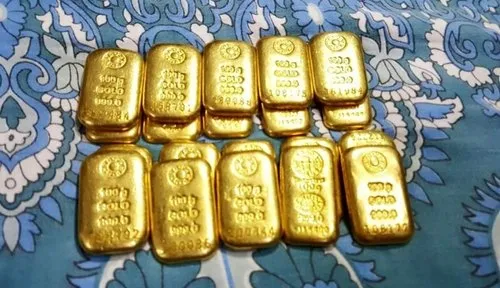
Understanding Gold Purity and Grading
When buying 1 gram of gold, understanding gold purity and grading is crucial. Purity not only affects the price but also determines the gold’s suitability for different uses—whether for investment, jewelry, or industrial purposes.
Gold Purity Explained: 24K, 22K, and 18K
Gold purity is most commonly expressed in karats (K) or as a fineness value.
-
24K Gold is 99.9% pure—the highest level of purity commercially available. It’s bright yellow, soft, and often used for investment bars and coins rather than jewelry.
-
22K Gold contains 91.6% pure gold, with the remaining 8.4% made up of metals like silver or copper. This mix makes it harder and more durable, ideal for jewelry, especially in countries like India and the UAE.
-
18K Gold is 75% pure gold and 25% alloy. It has a paler yellow tone and is more affordable than higher karats. It’s commonly used in western-style jewelry due to its balance between durability and gold content.
The higher the karat number, the greater the purity, and hence, the higher the price per gram.
Gold Grading System
In addition to karats, gold can also be graded by its fineness—a number that represents the gold content in parts per thousand:
-
999 = 99.9% pure (24K)
-
916 = 91.6% pure (22K)
-
750 = 75% pure (18K)
Gold items, especially investment-grade gold, often come with certification or hallmarking, which confirms the purity, weight, and origin.
For example, a 1-gram gold bar with a BIS hallmark (India) or LBMA certification (global standard) assures buyers of authenticity and purity.
How Purity Affects Price
Simply put: the purer the gold, the higher the price per gram.
A 1-gram 24K gold bar will cost more than a 1-gram 22K or 18K piece because it contains more actual gold by weight.
Additionally, higher purity gold is more sensitive to fluctuations in the international gold price, making it more suitable for investment purposes.
When buying, always check the karat value and certification to ensure you’re paying a fair price for the purity you’re getting.
How to Track and Monitor Gold Prices
Staying updated with the real-time price of 1 gram of gold is essential for both casual buyers and serious investors.
Gold prices can change multiple times a day due to global market activity, so having the right tools and knowledge helps you make smarter buying or selling decisions.
Online Tools & Apps for Real-Time Gold Price Tracking
Several reliable platforms and apps allow you to track gold prices in real-time:
-
Kitco (Website & App): One of the most trusted names in precious metals. Kitco provides live gold prices, historical data, market analysis, and charts.
-
Investing.com: Offers comprehensive financial tools, including live gold price tracking, technical analysis, and historical data.
App available on Android and iOS. -
TradingView: Perfect for more advanced users. Offers customizable gold price charts with technical indicators for in-depth market analysis.
-
GoldPrice.org: Focused specifically on precious metals. Users can view gold prices in various weights and currencies.
-
Local Banking Apps or Dealer Websites: Some national banks or jewelry dealers (like Malabar Gold, Tanishq, or regional gold brokers) offer live gold rates directly in their apps or websites, adjusted for local taxes and currency.
Setting Up Gold Price Alerts
If you’re planning to buy or sell gold, setting up price alerts can help you act at the right moment. Many platforms like Kitco, Investing.com, and BullionVault allow you to:
-
Create custom alerts for specific price points (e.g., “Notify me when 1 gram of gold drops below $60”)
-
Receive instant notifications via email or mobile push alerts
-
Monitor price trends without having to constantly check manually
This is especially useful for investors who are waiting for a favorable price before entering or exiting the market.
Understanding Gold Price Charts
To make informed long-term decisions, it’s helpful to learn how to read basic gold price charts:
-
Timeframes: Charts can show gold price movements over different time periods—1 day, 1 week, 1 year, or even decades. Use longer timeframes to spot trends.
-
Candlesticks vs Line Charts: Line charts are simpler; candlestick charts show more detail (like opening, closing, high, and low prices).
-
Support and Resistance Levels: These are price points where gold tends to stop falling or rising. Identifying them can help predict price movement.
By using these tools and strategies, you’ll be better equipped to buy or sell gold smartly—especially in volatile markets.
How much is 1 g of gold worth today?
As of today, 1 gram of gold is worth approximately $120.50 USD. Gold prices fluctuate daily based on global market trends, demand, inflation, and geopolitical events. Always check a reliable live gold price source like Kitco, Investing.com, or your local dealer for the most accurate and current rate before making any buying or selling decisions.
How much is 1 gram of gold in Uganda today?
Today, the price of 1 gram of gold in Uganda is approximately UGX 429,775. This value is based on the current global market price converted to Ugandan Shillings, including local currency exchange rates and market demand. Prices can vary slightly between dealers or regions, so it’s best to confirm with a trusted local gold seller or financial website before purchasing.
How much is 1g of gold now?
Right now, 1 gram of gold is valued at around $120.50 USD. This rate changes in real time based on international gold markets. If you’re planning to buy or invest, it’s important to track live updates through platforms like Kitco, TradingView, or a regional gold exchange to get the most accurate price.
How much is 1 gram of gold?
Currently, 1 gram of gold costs about $120.50 USD, depending on market conditions. The price may vary slightly by location due to taxes, currency conversion, and dealer premiums. For localized pricing, especially outside the U.S., check with your country’s official gold pricing index or trusted bullion dealers.
Conclusion
Staying informed about the price of 1 gram of gold today is more than just a habit—it’s a smart investment strategy. Whether you’re buying gold for savings, gifting, or long-term investment, understanding the factors that influence its price can help you make better financial decisions.
We’ve covered everything from the global influences on gold pricing and historical trends, to purity levels, buying tips, and trusted tools for tracking price movements.
Gold remains one of the most trusted stores of value, especially during times of economic uncertainty. By monitoring price trends, comparing global rates, and learning how to interpret price charts, you can confidently decide when and how much to invest. Even if you’re starting small with just 1 gram, it’s a step toward building a diversified and resilient portfolio.
Now is the perfect time to act.
Looking to start your investment journey or expand your portfolio?
📞 Contact us today for expert advice and real-time pricing tailored to your needs.
👉 Buy 1 Gram of Gold Today at the Best Market Rate – Safe, Certified & Trusted.
Don’t wait—gold doesn’t stay at the same price for long!