
How to buy 1kg Gold Bars: The Ultimate Guide to Investing in Precious Metals 2026
1kg gold bars stand out as a beacon of stability amid economic turbulence. As of February 2026, with gold prices surging to around $5,117 per ounce, these substantial bullion pieces offer investors a tangible hedge against inflation and market volatility.
This equates to a spot value exceeding $164,000 for a single 1kg gold bar, making it an attractive option for serious portfolios seeking long-term wealth preservation.
But what exactly is a 1kg gold bar? Weighing precisely 1 kilogram (equivalent to 32.15 troy ounces), these bars are typically minted or cast from 99.99% pure gold (often referred to as “four nines” fineness).
Unlike smaller denominations, 1kg gold bars provide economies of scale with lower premiums per ounce, appealing to high-net-worth individuals, institutions, and savvy investors looking to buy 1kg gold bars for diversification.
The appeal lies in gold’s timeless role as a safe-haven asset. In an era of geopolitical tensions, rising national debts, and fluctuating currencies, investing in 1kg gold bars offers liquidity, portability, and intrinsic value that digital assets or stocks can’t match.
Benefits over smaller bars include reduced transaction costs—fewer pieces mean simpler storage and fewer fees—and eligibility for tax-advantaged accounts like IRAs when LBMA-approved.
This comprehensive guide dives deep into everything you need to know about 1kg gold bars. From their rich history and popular brands to a step-by-step buying guide, pricing analysis, storage tips, pros and cons, and FAQs, we’ll equip you to make informed decisions.
Whether you’re a first-time buyer or seasoned collector, discover how 1kg gold bars for sale can fortify your financial future in 2026 and beyond.

History and Evolution of 1kg Gold Bars
The story of 1kg gold bars is intertwined with humanity’s fascination with gold, dating back to ancient civilizations where the metal symbolized power, wealth, and divinity.
Gold bars, in various forms, were used as currency and trade items in Mesopotamia around 3000 BCE, with early Egyptians crafting rudimentary ingots for pharaohs’ treasuries.
Fast-forward to the Roman Empire, where standardized gold bars facilitated vast trade networks across Europe and Asia.
The modern evolution accelerated during the 19th century gold rushes in California (1848) and Australia (1851), which flooded markets with raw gold, necessitating refined bars for banking and commerce.
This era marked a shift toward uniformity, but it wasn’t until the 20th century that the 1kg gold bar emerged as a global standard.
A pivotal milestone came in 1971 with the end of the Bretton Woods system, decoupling the U.S. dollar from gold and sparking bullion demand among private investors.
The 1980s saw the establishment of the London Bullion Market Association (LBMA), which set rigorous standards for purity, weight, and serial numbering, ensuring trust in 1kg gold bars.
The 1kg size itself gained traction as a metric equivalent to the imperial 32.15 troy ounces, bridging European/Asian preferences for kilograms with U.S. ounce-based systems.
Globally, adoption varies: Asia (especially India and China) favors 1kg gold bars for cultural gifting and investment, driving over 50% of physical demand, while Europe emphasizes them for vault storage.
In contrast, the U.S. leans toward smaller ounces due to retail accessibility, though institutional buyers increasingly opt for kilos amid rising gold prices.
Today, 1kg gold bars thrive amid economic volatility in the 2020s, with central banks stockpiling record amounts—over 1,000 tonnes annually—to hedge against fiat currency risks.
This contrasts with digital gold trends like ETFs, but physical bars remain irreplaceable for their tangibility. As blockchain-based gold tokens emerge, traditional 1kg bars continue to evolve, blending heritage with modern security features.
| Year | Event | Impact on 1kg Bars |
|---|---|---|
| 1800s | Gold rushes | Increased bar production and global supply |
| 1971 | End of gold standard | Boosted private bullion demand worldwide |
| 1980s | LBMA accreditation | Ensured purity, trust, and standardization |
| 2020s | Economic volatility | Surge in investment demand, central bank buying |
This timeline underscores how 1kg gold bars have adapted, remaining a cornerstone of precious metals investing.

Types and Popular Brands of 1kg Gold Bars
When exploring 1kg gold bars, understanding types and brands is crucial for making savvy purchases. Broadly, these bars fall into two categories: cast gold bars and minted gold bars.
Cast bars are produced by pouring molten gold into molds, resulting in a rustic, irregular finish that’s cost-effective—often with lower premiums (1-3% over spot).
They’re ideal for pure investors prioritizing value over aesthetics.
In contrast, minted bars are stamped from rolled sheets, offering a sleek, polished look with intricate designs, but at higher premiums (3-5%) due to advanced manufacturing.
Purity is another key factor: Most reputable 1kg gold bars boast 99.99% fineness, though some offer 99.9% for slight cost savings without compromising quality.
Always verify LBMA Good Delivery status for resale ease.
Top brands dominate the market, each with unique features:
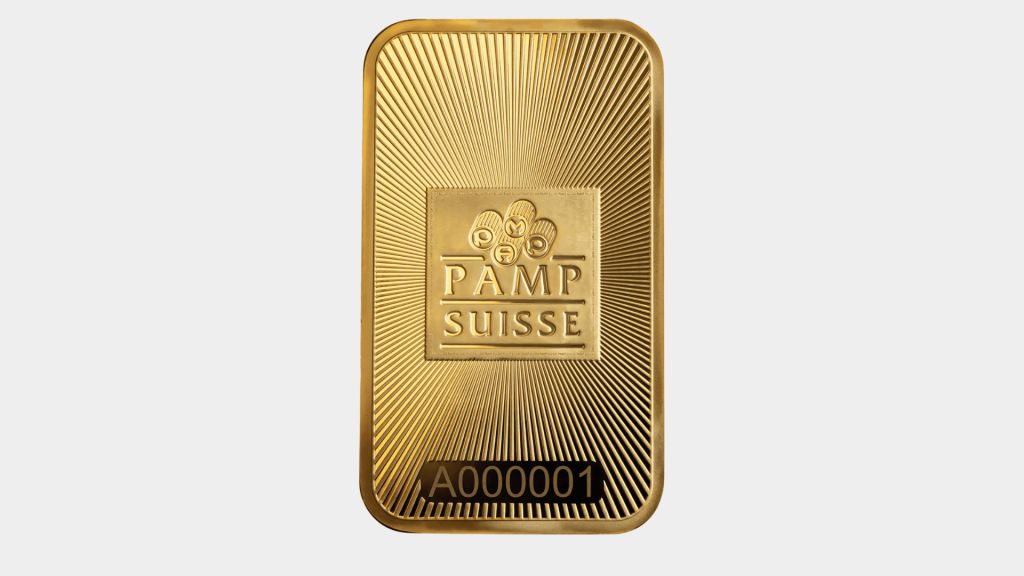
- PAMP Suisse: Renowned for Swiss craftsmanship, these bars feature assay cards, unique serial numbers, and Veriscan holograms for anti-counterfeiting. Their Fortuna design adds collectible appeal, making them premium choices for collectors.
- Perth Mint: Backed by the Australian government, these 1kg gold bars ensure sovereign guarantee and high liquidity. Known for tamper-evident packaging and kangaroo motifs, they’re favored by investors seeking security.
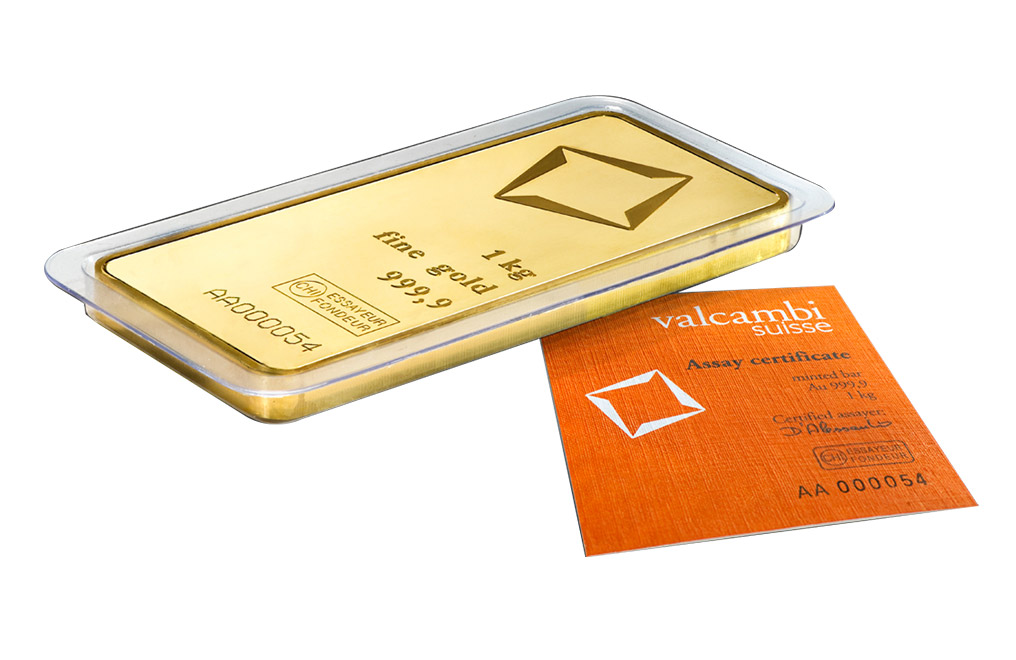
- Valcambi: Swiss precision shines here, with combi-bar options allowing breakage into smaller 1g units. Their eco-friendly refining and serial-numbered bars appeal to budget-conscious buyers.
- Other Notable Brands: APMEX offers private-label bars with competitive pricing; Metalor provides high-purity options from Singapore refineries; Johnson Matthey (now Asahi) holds vintage allure for collectors, often commanding higher resale values due to rarity.
For authenticity, look for hallmarks like serial numbers, refiner stamps, and holograms. Fake bars often lack these or have inconsistencies—always buy from accredited dealers.
Compare brands in this table for quick insights:
| Brand | Purity | Price Premium | Best For |
|---|---|---|---|
| PAMP Suisse | 99.99% | High (4-5%) | Collectors |
| Perth Mint | 99.99% | Medium (2-4%) | Investors |
| Valcambi | 99.99% | Low (1-3%) | Budget buyers |
| APMEX | 99.99% | Variable | Beginners |
| Metalor | 99.99% | Medium | Global buyers |
| Johnson Matthey | 99.99% | High | Vintage enthusiasts |
Choosing the right brand depends on your goals—whether buying 1kg gold bars online for investment or collection.
Comprehensive Buying Guide for 1kg Gold Bars
Navigating the purchase of 1kg gold bars requires diligence to ensure authenticity and value.
This step-by-step guide demystifies the process, helping you buy 1kg gold bars confidently.
1. Research Reputable Dealers:
Start with established sellers like Gold Buyers Africa, APMEX, JM Bullion, or Kitco. Check Better Business Bureau (BBB) ratings—A+ is ideal—and read customer reviews on Trustpilot. Avoid unverified online marketplaces to dodge scams.
2. Verify Authenticity:
Insist on LBMA-approved bars, which guarantee quality and facilitate resale. Look for IRA-eligibility if integrating into retirement accounts. Use tools like sigma metalytics verifiers for at-home testing.
3. Online vs. In-Person Buying:
Online buying offers convenience, live pricing, and discreet shipping, but watch for fees (2-5% premium).
Pros: Vast selection; cons: Shipping risks.In-person at coin shops or banks provides immediate inspection but limited stock and higher markups.
4. Key Factors to Consider:
-
- Premiums Over Spot Price: Typically 2-5% for 1kg gold bars; compare across dealers.
- Taxes and VAT: U.S. sales tax varies by state (e.g., exempt in Texas); international buyers face VAT (up to 20% in EU).
5. Payment Methods:
Wire transfers for large sums; credit cards add fees but offer protection.
6. Storage Options:
Decide post-purchase—home safes for accessibility, bank vaults for security, or allocated storage (e.g., via Brinks) where bars are segregated and insured.
Essential Checklist for Buyers:
- Check Current Spot Price: Use sites like Kitco for real-time gold prices.
- Read Reviews and Certifications: Ensure dealer accreditation.
- Ensure Insurance and Tracking: For shipments over $100,000.
- Compare Premiums: Shop multiple sources.
- Understand Resale Liquidity: LBMA bars sell faster.
Common Pitfalls to Avoid:
- High Markups: Don’t pay over 5% premium.
- Counterfeits: Test density and magnetism.
- Impulsive Buys: Time purchases during dips in gold market volatility.
- Storage Oversights: Uninsured home storage risks theft.
By following this guide, you’ll secure 1kg gold bars for investment at optimal terms, potentially yielding strong returns in uncertain times.

Pricing Factors and Market Analysis
Understanding 1kg gold bar prices starts with the basics: Multiply the spot gold price per ounce by 32.15 troy ounces, then add a premium.
As of February 2026, with spot at approximately $5,117 per ounce, a base 1kg gold bar spot value hovers around $164,500, plus 2-5% premium—pushing totals to $170,000+.
Key pricing factors include:
- Economic Inflation: Gold thrives as a hedge; persistent 3-5% inflation drives demand.
- Geopolitical Events: Conflicts or trade wars spike prices, as seen in 2022-2024 surges.
- Supply Chain Dynamics: Mining output (e.g., from Australia, China) and recycling rates influence availability.
- Currency Fluctuations: A weaker USD boosts gold appeal globally.
- Interest Rates: Lower Fed rates make non-yielding gold more attractive.
Historical trends from 2020-2026 show remarkable growth: Starting at ~$1,900/oz in 2020, prices climbed to highs of $5,608 in January 2026 amid global uncertainties.
A simple line chart description: From 2020 ($1,898 close) to 2021 ($1,829), a dip; then upward to 2022 (~$2,000+), accelerating to 2025 (~$4,300 average), and 2026 year-to-date ~$4,800+.
This represents over 150% growth, outpacing stocks (S&P 500 ~100% in same period) and crypto (volatile but high-risk).
Compared to alternatives: Gold offers stability vs. stocks’ dividends but lacks yield; vs. crypto, it’s less volatile but slower-growing.
Forecasts for 2026-2027 vary: Analysts like JP Morgan predict $5,000 by Q4 2026, potentially $6,000 longer-term, driven by central bank buying.
Goldman Sachs eyes $5,400, while medians hover at $4,746-5,180 amid uncertainties. With rising rates potentially cooling, expect 5-15% annual growth, favoring 1kg gold bars as a core holding.

Storage, Security, and Maintenance
Proper storage is vital for protecting your 1kg gold bars investment. Options range from personal to professional, each with pros and cons.
- Home Storage: Use UL-rated safes (e.g., Liberty or Sentry) bolted to floors. Pros: Immediate access; cons: Theft/fire risks. Cost: $500-5,000.
- Bank Safety Deposit Boxes: Secure and insured by the bank (up to FDIC limits). Pros: Affordable ($50-200/year); cons: Limited access hours.
- Professional Vaults: Services like Brinks or Loomis offer allocated storage, where your specific bars are segregated. Pros: High security, insurance up to $1B; cons: Annual fees (0.5-1% of value).
- Security tips: Install alarms, use decoys, and diversify locations. For insurance, standard homeowners’ policies cap at $1,500—opt for riders or specialized precious metals coverage from companies like Jewelers Mutual.
- Maintenance is straightforward: Avoid direct handling to prevent scratches—use cotton gloves. Store in acid-free packaging away from humidity. Clean gently with microfiber if needed, but professional assaying preserves value.
Legal aspects: In the U.S., report purchases over $10,000 via Form 8300; international buyers note customs declarations. Secure 1kg gold bars storage ensures your asset’s longevity and resale potential.
Pros, Cons, and Alternatives
Pros of 1kg Gold Bars:
- Tangible Asset: Physical ownership provides security in crises.
- Inflation Hedge: Historically preserves purchasing power.
- Liquidity: Easy to sell globally via dealers.
- Portfolio Diversification: Low correlation with stocks/bonds.
Cons:
- Storage Costs: Fees for vaults or safes add up.
- No Dividends: Unlike stocks, no passive income.
- Volatility: Short-term price swings possible.
- Opportunity Cost: Ties up capital in non-yielding asset.
Alternatives:
- Gold ETFs: Like GLD—easy trading, no storage hassles.
- Smaller Bars (100g): More affordable entry, higher liquidity for partial sales.
- Gold Coins: Collectible value (e.g., Krugerrands) with similar purity.
Weigh these based on your risk tolerance and goals.
Frequently Asked Questions (FAQs)
What is the current price of a 1kg gold bar?
As of February 2026, around $170,000+, including premium over spot ~$5,117/oz. Check live prices for accuracy.
Are 1kg gold bars a good investment in 2026?
Yes, with forecasts predicting $5,000-6,000/oz by year-end, amid economic uncertainties.
How to sell a 1kg gold bar?
Through dealers like Gold Buyers Africa, APMEX; get appraisals, sell during highs for best returns.
Is it better than gold coins?
Bars have lower premiums for pure investment; coins offer collectibility and divisibility.
Conclusion
In this comprehensive guide to 1kg gold bars, we’ve explored their enduring appeal as a premier investment vehicle in 2026.
From their rich historical evolution and standardization under LBMA guidelines to the variety of trusted brands like PAMP Suisse, Perth Mint, and Valcambi, these bars deliver exceptional purity (99.99% fineness) and value.
We’ve covered essential buying steps—researching reputable dealers, verifying authenticity, comparing premiums (typically 2-5% over spot), and choosing secure storage options—alongside current pricing dynamics (spot values around $165,000–$168,000 with retail totals often $170,000+), market drivers like inflation and geopolitical risks, and balanced pros/cons versus alternatives such as gold coins or ETFs.
With gold prices near record highs and strong forecasts pointing to continued growth, 1kg gold bars remain one of the most reliable ways to preserve and grow wealth amid global uncertainty.
Their lower per-ounce premiums, high liquidity, and tangible security make them especially suitable for serious investors.
Ready to invest? Visit Gold Buyers Africa and start building your portfolio today.