24K Wholesale Gold Bars – Authentic, Certified, Pure Gold 99.99 and Trusted 2026
As 2025 draws to a close, the gold market has delivered one of its most extraordinary performances in decades.
The spot price of gold has surged more than 70% year-to-date, marking its strongest annual gain since 1979.
Prices recently touched record highs above $4,500 per troy ounce before a modest pullback, with the metal trading around $4,470 as of January, 2026.
This remarkable rally has been fueled by a perfect storm of factors: aggressive central bank purchasing as nations diversify reserves amid de-dollarization trends, escalating geopolitical tensions—including ongoing conflicts in the Middle East, U.S.-Venezuela frictions, and broader trade uncertainties—and persistent safe-haven demand from investors facing economic volatility and expectations of further interest rate cuts.
At the heart of this surge are 24K wholesale gold bars, the purest form of investment-grade bullion.
Also known as .9999 fine gold (99.99% pure), these bars represent the gold standard for serious investors and dealers seeking maximum value retention.
Unlike lower-karat gold (such as 22K at 91.67% pure or 18K at 75% pure, often alloyed with metals like copper or silver for durability in jewelry), 24K gold contains virtually no impurities.
This ultra-high purity ensures superior liquidity, easier refining if needed, and minimal premiums erosion over time—making it the preferred choice for wealth preservation during turbulent periods like we’re seeing in 2026.
For investors and dealers looking to capitalize on these historic highs while hedging against further uncertainty, buying 24K gold bars at wholesale offers compelling advantages.
Wholesale purchases typically involve larger quantities (from 100g to kilo bars), unlocking significantly lower premiums over spot price, bulk discounts, and direct access to LBMA-approved refineries like PAMP Suisse or Perth Mint.
This means better cost efficiency for building substantial positions, whether for personal portfolios, resale, or institutional allocation.
In a year when gold has outperformed most asset classes, securing wholesale 24K bars positions you to benefit from both immediate ownership of a tangible safe-haven asset and potential continued upside into 2026.
What Are 24K Wholesale Gold Bars?
24K wholesale gold bars are investment-grade bullion products made from the purest form of gold available: 24 karat, or .9999 fine (99.99% pure).
This ultra-high purity distinguishes them from lower-karat gold, such as 22K (91.67% pure) or 18K (75% pure), which are alloyed with metals like copper or silver to increase durability for jewelry.
In contrast, 24K gold bars—often referred to as bullion—are designed purely for investment and wealth storage, not ornamental use.
Bullion prioritizes maximum gold content, liquidity, and value retention, making it ideal for portfolios during economic uncertainty.
Jewelry-grade gold, while beautiful, incurs higher fabrication costs and lower resale value due to alloys and craftsmanship.
Gold bars come in two primary production methods: cast and minted.
- Cast bars are created using a traditional process where molten gold is poured into molds and allowed to cool naturally. This results in a rustic appearance with slightly irregular surfaces, rounded edges, and unique imperfections that give each bar character. Cast bars are simpler and less expensive to produce, often favored for larger sizes like 100g, 400oz, or 1 kilo.
-
Minted bars, on the other hand, are manufactured with precision: gold is first cast into long strips, then cut into blanks and stamped under high pressure for sharp edges, polished finishes, and intricate designs. They frequently include advanced security features like serial numbers, holograms, or VERISCAN technology, and are sealed in tamper-evident assay cards certifying weight, purity, and authenticity.
The most trusted 24K gold bars come from LBMA-approved refineries (London Bullion Market Association), which adhere to strict “Good Delivery” standards for purity, weight, and markings.
This accreditation ensures global acceptance and easy resale.
Leading examples include PAMP Suisse (famous for Lady Fortuna designs), Perth Mint (Australia), Valcambi, Argor-Heraeus, and Credit Suisse.
Bars from these refineries command confidence in the market.
Wholesale 24K gold bars refer to purchases in bulk quantities—typically starting from multiple smaller bars (e.g., 10+ ounces) or larger formats like kilo bars—directly or through dealers offering volume discounts.
The key advantage is significantly lower premiums over the spot price (currently around $4,470 per ounce as of January 06, 2026).
Retail buyers pay higher markups for individual bars due to packaging, branding, and smaller production runs.
Wholesale deals reduce these costs through economies of scale: larger orders mean lower per-ounce fabrication, shipping, and dealer margins.
For serious investors or dealers, this translates to more gold acquired per dollar, enhanced liquidity for resale, and better positioning in a market where gold has surged over 70% in 2026.

Why Invest in 24K Gold Bars in 2026?
As 2026 begin on a high note for precious metals, 24K gold bars stand out as a premier investment vehicle amid one of gold’s most explosive years in modern history.
With the spot price currently at $4,468.52 per ounce as of January, 2026, gold has delivered a staggering year-to-date gain of over 70%, marking its largest annual increase since 1979.
This rally, which saw prices hit record highs above $4,500 earlier in the month, has been propelled by a confluence of macroeconomic and geopolitical forces, making pure .9999 fine gold bars an attractive option for portfolio diversification and wealth preservation.
Current trends underscore gold’s resilience and appeal. Central banks have been voracious buyers, with demand totaling around 980 tonnes in Q3 2026 alone—over 50% higher than the previous four-quarter average.
Institutions from emerging markets, particularly in Asia, are stockpiling gold as part of de-dollarization efforts, reducing reliance on U.S. Treasuries and the dollar amid trade tensions and reserve diversification strategies.
For instance, China’s pilot program allowing insurers to allocate to gold and India’s ETF assets exploding 15.5x since 2020 highlight this shift.
Gold’s role as an inflation hedge has also shone brightly, protecting against currency debasement and persistent fiscal deficits in a world of elevated debt and stubborn price pressures.
Meanwhile, ETF inflows have shattered records, with $26 billion pouring into physically backed funds in Q3 2026, pushing total assets under management to $472 billion.
These inflows reflect investor rotation from dollar-denominated assets amid Fed rate cuts and a weakening USD.
Historically, gold has proven its mettle across centuries as a universal store of value, outperforming during inflationary cycles, geopolitical instability, and financial crises.
The 2025 surge echoes the 1979-80 rally, driven by similar factors like oil shocks and dollar weakness, but today’s structural supports—such as central bank diversification and ETF resurgence—are more entrenched.
Looking to 2026, analysts project continued upside, with potential highs reaching $5,000 per ounce under scenarios of deeper Fed easing, sustained uncertainty, and robust demand.
Forecasts from firms like HSBC ($5,000 in H1 2026) and Morgan Stanley ($4,800 by Q4) suggest 5-15% gains from current levels, even after possible consolidation.
Compared to alternatives like gold coins or stocks, 24K bars offer distinct advantages.
Bars typically carry lower premiums over spot price than coins, which often include collectible markups, making them more cost-effective for bulk investments.
Liquidity is exceptional—bars from LBMA-approved refineries can be sold quickly through global dealers without the numismatic valuation hassles of coins.
Storage is straightforward and secure via professional vaults or IRAs, with lower costs per ounce for larger bars.
Unlike stocks, which face counterparty risks and market volatility, gold bars are tangible assets immune to corporate failures or dividends cuts.
In many jurisdictions, such as certain U.S. states or for investment-grade bullion in the EU, purchases incur no VAT or sales tax, enhancing after-tax returns.
For investors eyeing long-term stability in an uncertain world, 24K gold bars provide a hedge that’s both timeless and timely.

Benefits of Buying Wholesale 24K Gold Bars
In the midst of gold’s historic 2026 rally—with the spot price hovering around $4,470 per ounce as of January, 2026—opting for wholesale 24K gold bars offers savvy investors and dealers significant advantages over retail purchases.
Wholesale buying typically involves larger quantities (e.g., multiple ounces, 100g+ bars, or kilo lots), unlocking economies of scale that directly translate to cost savings and enhanced returns.
The primary benefit is lower premiums over spot price.
Retail buyers often pay 3-6% above spot for individual 1 oz bars due to higher fabrication, packaging, branding, and dealer margins on smaller transactions.
Wholesale deals, however, slash these to 1-3% or less, especially on larger bars from LBMA-approved refineries.
This means more pure .9999 gold per dollar invested—crucial when prices are at all-time highs.
Closely tied are bulk discounts, where dealers offer tiered pricing: the more you buy, the lower the per-ounce cost.
For example, purchasing 10+ ounces or a 1 kilo bar (32.15 oz) can reduce effective premiums by 1-2%, compounding savings on substantial positions amid central bank-driven demand.
Wholesale 24K bars also excel in portfolio diversification.
As a tangible asset uncorrelated with stocks or bonds, gold hedges against inflation, currency weakness, and geopolitical risks—factors propelling 2026’s 70%+ gains.
Bulk holdings allow meaningful allocation without overpaying, positioning investors for potential $5,000/oz targets in 2026.
Finally, in times of economic uncertainty, 24K gold bars serve as a reliable tangible asset.
Unlike digital investments, they offer physical ownership immune to cyberattacks or institutional failures, with global liquidity for quick resale.
Retail vs. Wholesale Premiums Comparison
| Bar Size | Retail Premium (Single Purchase) | Wholesale Premium (Bulk 10+ oz or Larger Bars) | Example Cost at $4,380 Spot (per oz) |
|---|---|---|---|
| 1 oz | 3-6% ($130-$260 over spot) | 2-4% ($90-$175 over spot) | Retail: ~$4,510-$4,640 Wholesale: ~$4,470-$4,555 |
| 10 oz | 2-4% | 1-3% | Retail: ~$44,200-$44,600 Wholesale: ~$44,000-$44,400 |
| 1 Kilo (32.15 oz) | 1.5-3% | 0.5-2% | Retail: ~$141,500-$142,500 Wholesale: ~$140,900-$141,800 |

Popular Sizes and Types of 24K Gold Bars
When investing in 24K gold bars, size matters—not just for cost and storage, but for liquidity, resale ease, and premium over spot price.
All 24K bars are refined to .9999 fine gold (99.99% purity), which is the global standard for investment bullion and prized for its universal acceptability.
Common Investment‑Grade Sizes
1‑Gram Bars
Tiny and highly affordable, 1 g bars are ideal for incremental stacking, gifting, or introducing new investors to physical gold.
Their liquidity is very high, as buyers can sell small chunks without needing to liquidate large positions.
However, they carry higher premiums per gram due to manufacturing costs and assay paperwork.
10‑Gram Bars
A sweet spot for many wholesale buyers looking for larger value than 1 g but still granular liquidity.
Ten‑gram bars also trade easily and are easier to subdivide than the traditional 1 oz, which can be an advantage in markets that favor smaller denominations.
1‑Ounce Bars (≈31.1 g)
The most popular size worldwide for both retail and wholesale investors.
One‑ounce bars balance affordability, liquidity, and modest premiums, making them a staple in diversified portfolios.
Because they are widely traded and recognized, they often resell quickly at competitive prices.
100‑Gram Bars
These bars are a “sweet spot” for larger investors who want decreased premiums per gram without the storage and liquidity considerations of a 1 kg bar.
At this weight, many refiners include clear assay details and serial numbers, enhancing confidence for bulk transactions.
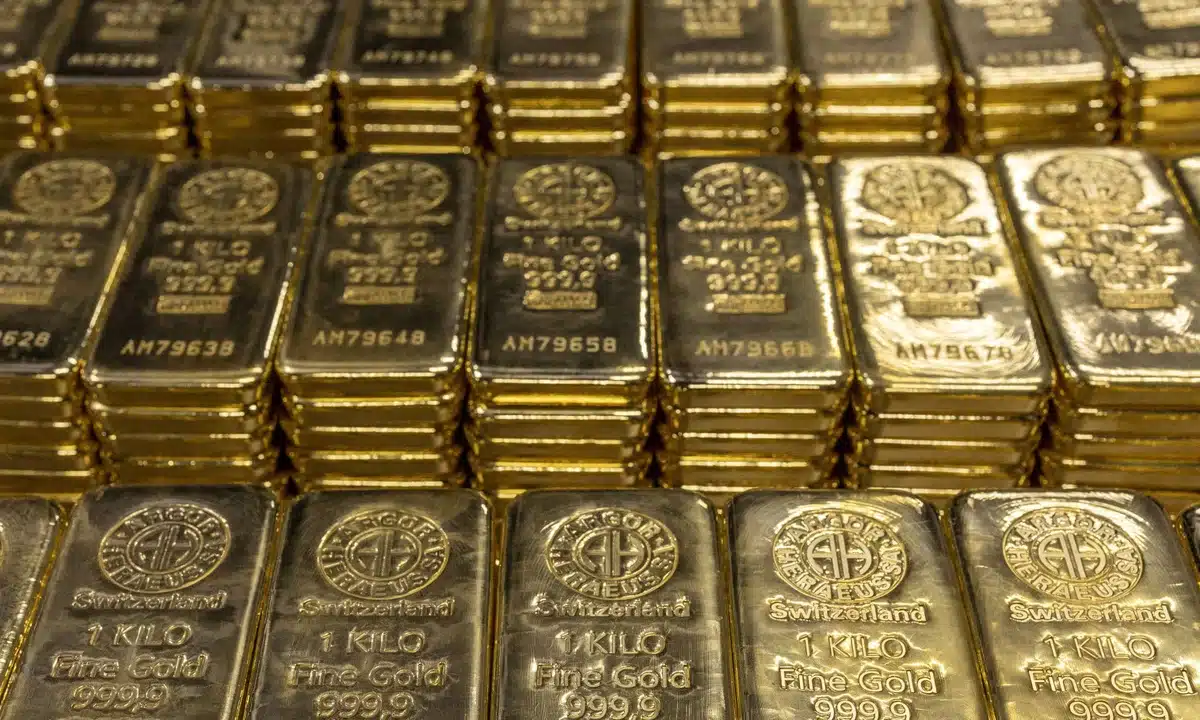
1‑Kilogram Bars
Favored by serious investors, vault holders, and dealers, 1 kg bars offer the lowest premium per gram among standard retail sizes.
However, they require significant upfront capital and secure storage solutions.
Liquidity can be lower compared to ounces or gram bars because finding buyers for such a large bar takes more time and negotiation.
Top Brands and Recognition
Leading refiners matter because they provide global trust, ease of resale, and consistent quality.
Among the most recognized brands are:
-
PAMP Suisse (Lady Fortuna series): Known for elegant designs and strong secondary‑market demand. Many come with tamper‑evident CertiPAMP packaging and holographic security elements.
-
Valcambi Suisse: Produces both traditional bars and CombiBars—large pieces that can be broken into smaller, individually stamped units without losing recognition value.
-
Argor‑Heraeus: Highly regarded for quality and security features like KINEGRAM optical elements integrated into the bar during minting.
These names, along with other LBMA‑approved refiners, are widely accepted in global markets, making them especially attractive for wholesale transactions where buyers demand reassurance on authenticity and resale potential.
Authenticity Features Investors Should Expect
When buying in volume, authentication is critical—not just to avoid counterfeits but to preserve value and ease future resale:
-
Serial Numbers: Many branded bars are individually engraved with unique identifiers linked to assay cards or certificates. This assists traceability and helps with insurance claims.
-
Assay Certificates: Most reputable mints include a certified card with each bar that confirms weight, purity, and refinery validation.
-
Tamper‑Proof Packaging: Sealed blister packs or capsule cases protect bars physically and help ensure they haven’t been swapped or altered.
Smaller bars naturally have more surface area per weight, meaning premium costs per gram are higher, but they often sell faster due to greater liquidity.
Conversely, larger bars are more cost‑efficient but require secure storage and a deeper buyer network when selling wholesale.
Overall, matching the right size, brand, and authentication standards to your investment or wholesale strategy helps maximize value, minimize risk, and enhance long‑term returns in the booming gold market of 2026.
How to Buy Wholesale 24K Gold Bars Safely (2026)
Buying 24K gold bars wholesale can be a smart way to acquire physical gold at lower premiums and maximize value, but it also comes with risks if you don’t use trustworthy sources and proper safeguards.
Here’s how to do it safely and smartly.
1. Work Only With Reputable Dealers
Start with dealers that have long‑standing reputations, transparent pricing, and verifiable credentials. Well‑known international bullion dealers include:
- Gold Buyers Africa – A regional wholesale supplier with gold sourced and refined in Africa, often at competitive rates.
-
APMEX (American Precious Metals Exchange) – Extensive inventory, live pricing, buyback programs.
-
JM Bullion – Competitive pricing and secure delivery options.
-
SD Bullion – Low premiums and fast shipping.
-
Kitco – Global bullion dealer with insured shipping and real‑time pricing.
Other respected global sources include BullionStar, Perth Mint, and Degussa, all of which supply LBMA‑certified products that move easily in the international market.
Tip: Avoid unknown sellers on marketplaces like eBay or social media, where fake bars or scams are common.
2. Vet and Compare Before Buying
Before placing a bulk order:
-
Verify licensing and registration of the dealer. Ask for proof of official credentials and check reviews on independent platforms.
-
Compare premiums (the cost above spot price) across dealers. Higher orders often unlock lower premiums.
-
Check payment terms carefully—don’t pay full amounts in cash or via informal channels. Traceable methods like bank transfer or escrow services help protect your funds.
3. Verify Authenticity & Avoid Scams
Scammers often lure buyers with “too‑good‑to‑be‑true” prices or unverifiable products. To protect yourself:
-
Assay Certificates: Every genuine 24K bar should come with an assay card confirming weight, purity (99.99%), and a unique serial number.
-
Brand and Hallmarks: Reputable refiners like PAMP, Valcambi, Heraeus, and government mints include recognizable stamps and anti‑counterfeit features.
-
Independently Test: Use simple checks like a magnet test (gold is non‑magnetic) or hire an XRF analyzer—especially for large orders.
-
Red Flags: Avoid sellers who pressure you, refuse third‑party testing, or demand full upfront payment before verification.
4. Storage and IRA Options
Once you’ve bought wholesale gold, secure storage is essential:
-
Home Safes: Good for smaller quantities; make sure they’re fireproof and insured.
-
Bank Safe Deposit Boxes: Offer high security but may limit access.
-
Professional Vaults: Many dealers (e.g., Kitco, BullionVault) offer insured, third‑party storage services with audits and documentation.
-
Gold IRAs: In the U.S., you can hold bullion in a Precious Metals IRA for tax‑advantaged retirement investing through custodians that specialize in gold IRAs.
5. Bulk Buying Practical Tips
-
Minimum Orders: Some dealers offer better pricing only above certain order sizes—ask about their wholesale minimums.
-
Shipping & Insurance: Choose insured, trackable delivery for online purchases. Confirm who bears risk and cost.
-
Documentation: Keep all assay certificates, invoices, shipping records, and contracts—it’s essential for resale, export, or legal compliance.
By carefully choosing established dealers, verifying authenticity, and using secure payment and storage options, you can acquire 24K gold bars in bulk with peace of mind and protect your investment for the long term in 2026 and beyond.
Current Pricing and Factors Affecting 24K Gold Bar Costs
As of January 2026, spot gold prices remain near historic highs, hovering around $4,450–$4,480 per troy ounce for standard bullion benchmarks—a sharp continuation of the 2026 rally that saw gold briefly exceed $4,500/oz before a short pullback on profit‑taking and trading adjustments.
Spot Price & Premiums
-
The spot price refers to the live market value of gold per ounce on exchanges and is the baseline for pricing physical bullion like 24K bars. For January, 2026, spot gold is fluctuating around ~$4,480/oz as markets digest year‑end positioning and safe‑haven flows.
-
Premiums are the additional cost above spot that dealers charge to cover refining, minting, distribution, and profit. Smaller bar sizes (e.g., 1 g or 10 g) typically carry higher per‑gram premiums, while larger bars (100 g, 1 kg) benefit from bulk efficiencies and lower markup per ounce.
Key Market Drivers in 2026
1. Central Bank Demand & Safe‑Haven Flows
Global central banks—especially in emerging markets—have continued aggressive gold purchases to diversify reserves. This sustained institutional demand tightens available supply and reinforces price support.
2. Monetary Policy & Interest Rates
Expectations of Federal Reserve rate cuts and easing monetary policy have diminished the opportunity cost of holding non‑yielding gold, encouraging investors to allocate more to bullion amid modest real yields.
3. Geopolitical Uncertainty
Ongoing geopolitical tensions and macroeconomic instability have bolstered gold’s traditional role as a safe‑haven asset, prompting flows into bullion from risk‑averse investors.
4. Supply Constraints & Mining Dynamics
Mining supply growth has been slow globally due to operational challenges and regulatory constraints, tightening the balance between demand and available metal.
Summary
In 2026, 24K gold bar costs are shaped not only by the strong spot price (~$4,480/oz) but also by dealer premiums, demand from central banks, interest rate expectations, geopolitical risk, and limited supply—creating a pricing environment driven both by fundamentals and safe‑haven sentiment as the year closes.

Current spot gold price table
Here’s a current spot gold price table across multiple weights and key currencies (based on the latest live market gold price of roughly $4,460–$4,480 per troy ounce / ~$144–$147 per gram)
| Currency | Per 1 oz (≈31.103 g) | Per 1 g | Per 1 kg (≈1,000 g) |
|---|---|---|---|
| USD | ~$4,380 | ~$144.8 | ~$144,860 |
| EUR | ~€3,700* | ~€119* | ~€119,000* |
| GBP | ~£3,380* | ~£109* | ~£109,000* |
| AED | ~15,940* | ~513* | ~513,000* |
| INR | ~₹360,600* | ~₹11,850* | ~₹11,850,000* |
| CNY | ~¥31,700* | ~¥996* | ~¥996,000* |
| UGX | ~15,656,275† | ~503,361† | ~503,360,924† |
*Approximate currency conversions based on common mid‑market FX rates applied to spot gold; local rates vary with daily FX movement and dealer pricing.
Live Uganda gold price from local market source (per ounce/gram values).
Notes
-
USD (United States Dollar): Spot gold prices continue near record levels around $4,350–$4,380/oz, reflecting year‑end market positioning and safe‑haven demand.
-
EUR & GBP: Converted roughly from USD using prevailing cross‑rates; exact live FX should be checked for precision.
-
AED (UAE Dirham): Based on approximate parity calculations with USD; the dirham is closely pegged to the dollar in foreign exchange markets.
-
INR (Indian Rupee): Local spot gold pricing often reflects both FX and domestic bullion demand (e.g., Indian futures trading showed high levels earlier in December).
-
CNY (Chinese Yuan): Approximation from USD rates; gold in China also reflects domestic demand and import quotas.
-
UGX (Ugandan Shilling): Local reported market prices for gold per ounce and per gram in UGX reflect recent live pricing (1 oz ≈ UGX 15.65 M, 1 g ≈ UGX 503k).