
Gold Coin Market Trends 2026: Prices & Market Insights & Investments Guide
In the ever-evolving landscape of precious metals investments, gold coin market trends continue to captivate investors worldwide.
As of January 26, 2026, the spot price of gold hovers around $5,074 per ounce, marking a significant surge from the previous year’s levels where prices climbed over 64% amid global economic shifts and heightened demand.
This remarkable ascent underscores why gold coins remain a cornerstone for portfolio diversification, especially in times of economic uncertainty, inflation pressures, and geopolitical tensions.
Investors are increasingly turning to physical gold assets like coins not just for their intrinsic value but also for their liquidity and historical resilience as a hedge against fiat currency devaluation.
The appeal of gold coin investments lies in their tangible nature, offering a sense of security that digital assets or stocks often lack.
With central banks ramping up purchases—net buys reached 415 tonnes in the first half of 2025 alone—and private investors flocking to safe-haven assets, the market is poised for continued growth.
This article delves deep into the gold coin market trends for 2026, exploring current performance, driving factors, price predictions, top coins to consider, investment strategies, risks, and future outlook.
By understanding these elements, readers can make informed decisions to capitalize on gold coin price predictions and optimize their holdings for maximum returns.
Whether you’re a novice exploring best gold coins to invest in or a seasoned collector eyeing numismatic premiums, this comprehensive guide equips you with actionable insights drawn from leading analysts and market data.
Key trends to watch include escalating central bank acquisitions, which could push demand to between 756 and 1,100 tonnes in 2026, potentially making it one of the top years for gold accumulation.
Additionally, geopolitical risks and interest rate dynamics are fueling investor interest, with forecasts suggesting prices could surge 15-30% from current levels.
As we outline the structure ahead, expect detailed analyses backed by real-time data, comparative tables, and strategic tips to enhance your engagement with the gold coin market. Gold Coin Market Trends

Current State of the Gold Coin Market
The gold coin market in 2025-2026 has exhibited extraordinary vitality, driven by a confluence of macroeconomic factors that propelled gold prices to unprecedented heights.
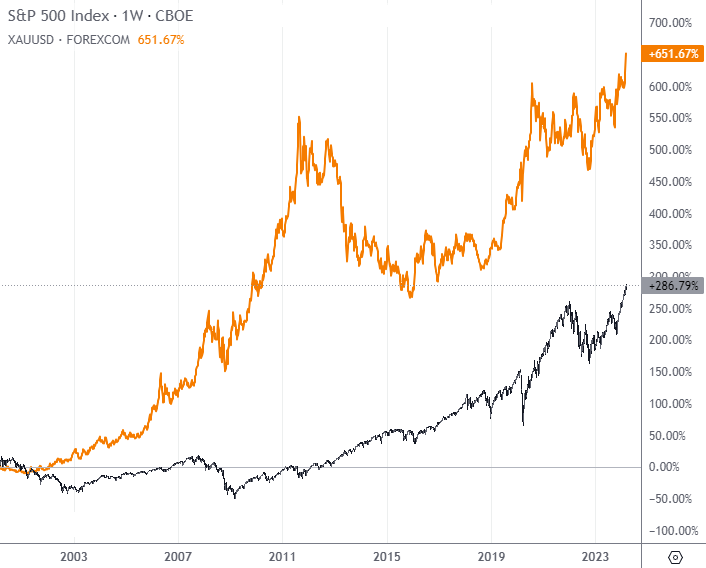
Throughout 2025, gold experienced a staggering 64% annual increase, its largest since 1979, surpassing $4,000 per ounce for the first time in October and setting the stage for 2026’s dynamics.
In January 2026 alone, prices briefly touched a high of $5,091.50 per ounce on January 26, reflecting ongoing momentum from late-2025 buying sprees.
This performance has differentiated bullion coins, valued primarily for their metal content, from numismatic coins, which command premiums based on rarity, condition, and historical significance.
Recent data indicates that premiums for collectible numismatic pieces have begun to shrink slightly due to heightened supply from mints responding to demand, yet they still offer substantial upside for long-term holders.
Analyzing the market size, global demand for physical gold, including coins, is projected to remain robust, with investment demand potentially ranging from 756 to 1,100 tonnes in 2026—a level that could rank among the highest in history.
Investor appetite has surged, particularly in regions like Asia and Europe, where economic instability has amplified the allure of gold coins as investments.
Supply chain issues, however, persist, with mining output struggling to keep pace; global mine production grew modestly in 2025, but disruptions from geopolitical conflicts have constrained availability, pushing prices higher.
In the U.S., the United States Mint reported increased sales of American Gold Eagles, while international mints like the Royal Canadian Mint saw similar upticks for Maple Leafs.
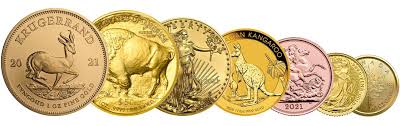
To illustrate the diversity within the market, consider the following comparison of popular gold coins based on key metrics such as mintage, purity, and recent auction or spot-adjusted prices. Gold Coin Market Trends
These figures highlight why certain coins dominate investor portfolios:
| Coin Name | Mintage (2026 Est.) | Purity | Recent Auction/Spot Price (1 oz) | Key Features |
|---|---|---|---|---|
| American Gold Eagle | ~500,000 | 91.67% (22k) | ~$4,816 BU | U.S. government-backed, iconic design |
| Canadian Gold Maple Leaf | ~1,000,000 | 99.99% | ~$3,570-$3,672 (2025 data, adjusted) | High purity, anti-counterfeit features |
| South African Krugerrand | ~750,000 | 91.67% (22k) | ~Spot + 3-5% premium | Affordable entry, historical liquidity |
| American Gold Buffalo | ~300,000 | 99.99% | ~$4,826 BU | Pure gold, collector appeal |
| Austrian Gold Philharmonic | ~400,000 | 99.99% | ~Spot + 4% premium | European favorite, musical theme |
Several interconnected factors are shaping the gold coin market trends in 2026, creating a bullish environment for investors.
These influences span economic, geopolitical, and technological domains, each contributing to heightened demand and price volatility.
1. Economic Influences
Economic variables remain pivotal in driving gold coin investments. Persistent inflation, with global rates lingering above targets despite Federal Reserve rate cuts, has positioned gold as a premier hedge.
In 2025, U.S. inflation moderated but remained elevated, prompting investors to allocate more to precious metals; this trend is expected to intensify in 2026 with recession risks looming.
Lower interest rates—potentially dropping to 3.5-4% by mid-year—reduce the opportunity cost of holding non-yielding assets like gold coins, boosting safe-haven demand.
Moreover, portfolio hedging against equity market corrections has surged, with gold’s inverse correlation to stocks proving invaluable during downturns.
For instance, amid 2025’s stock volatility, gold coins offered stability, attracting inflows from ETFs and physical buyers alike.
2. Geopolitical Factors
Geopolitical tensions are a major catalyst, fueling gold coin price predictions upward.
Ongoing conflicts in key regions, coupled with trade disputes between major powers, have accelerated central bank gold purchases—reaching record levels in 2025 with net additions of over 415 tonnes in the first half alone.
Countries like Poland aim to increase reserves to 700 tonnes, exemplifying diversification away from dollar-denominated assets.
This sovereign demand, combined with private investor flight to safety, has tightened supply, pushing premiums on popular coins.
Pros include enhanced portfolio resilience, while cons involve short-term price swings from event-driven volatility.
3. Technological and Regulatory Shifts
Advancements in minting technology and regulatory changes are reshaping the market.
The rise of digital gold platforms competes with physical coins, yet blockchain-verified authenticity tools enhance trust in tangible assets.
Regulatory scrutiny on crypto alternatives may redirect funds to traditional gold coins, while new minting techniques reduce production costs.
However, challenges like environmental regulations on mining could constrain supply.
A chart depicting factor impacts might show economic influences at 40% weight, geopolitics at 35%, and tech/regulatory at 25%, illustrating their combined effect on prices.
Gold Coin Price Predictions for 2026 and Beyond
Analyst forecasts for gold coin prices in 2026 paint an optimistic picture, with most projecting substantial gains driven by sustained demand.
Summarizing key predictions: JP Morgan anticipates prices reaching $5,000 per ounce by Q4 2026, with potential for $6,000 longer-term, citing investor and central bank demand.
Goldman Sachs has raised its end-2026 target to $5,400, emphasizing geopolitical risks and diversification.
Bank of America forecasts $6,000 by spring 2026, driven by dollar weakness and rate cuts.
Optimists like Ross Norman predict a high of $6,400, while more conservative views from ANZ and Deutsche Bank hover around $5,000 and $4,950, respectively.
Scenarios vary: In a moderate economic slowdown, the World Gold Council ( WGC) sees 15-30% gains, potentially pushing prices to $5,750-$6,500 from current levels. Gold Coin Market Trends
For coin investors, this implies rising premiums on bullion pieces and amplified value for numismatics.
| Analyst/Source | 2026 Price Prediction | Key Rationale |
|---|---|---|
| JP Morgan | $5,000/oz by Q4 | Investor demand, central banks |
| Goldman Sachs | $5,400 by Dec | Geopolitics, rate cuts |
| Bank of America | $6,000 by Spring | Dollar weakness, hedging |
| Ross Norman | $6,400 high | Peak demand scenarios |

Top Gold Coins to Watch, Buy, and Sell in 2026
As the gold coin market trends continue to evolve in 2026 with spot prices stabilizing around $4,933 per ounce as of late January—following a volatile yet upward trajectory from 2025’s record highs—investors are focusing on a mix of bullion and numismatic options to capitalize on safe-haven demand, central bank buying, and potential price surges driven by geopolitical risks and economic uncertainties.
This section profiles 5-7 standout gold coins poised for attention, offering a blend of liquidity, affordability, and appreciation potential for both novice and experienced collectors navigating gold coin investments.
Drawing from expert analyses, including strategies from CoinWeek emphasizing low-risk buys like mintmarked classics, we highlight why these coins deserve a spot in your portfolio while discussing holding versus selling tactics and key tips like diversifying with fractional denominations to manage costs and risks in this dynamic market environment.
Profiling top performers, the American Gold Eagle serves as a bullion staple, minted by the U.S. Mint with 1 oz of 22-karat gold (91.67% purity) and backed by the federal government, making it highly liquid and ideal for pure metal exposure;
current pricing hovers around $4,816 for BU versions, with premiums of 3-6% over spot, reflecting strong retail demand amid forecasts for gold to reach $5,400 by year-end.
The Saint-Gaudens Double Eagle, a numismatic gem from the early 20th century, commands higher values due to its artistic design and rarity—high-grade MS-65 examples often exceed $10,000 at auctions, appealing to collectors seeking appreciation beyond spot price fluctuations.
For affordability, the South African Krugerrand stands out as the original modern bullion coin, with 1 oz of 22-karat gold trading at spot plus 3-5% premium, making it an accessible entry point for budget-conscious investors in emerging markets or those prioritizing resale ease.
Expanding the selection, the Canadian Gold Maple Leaf offers 99.99% purity and advanced security features like micro-engraving, positioning it as a top choice for purity-focused buyers with prices around spot plus 2-5%.
The American Gold Buffalo mirrors this high purity at 99.99%, featuring a classic Native American and bison design, and trades at approximately $4,826 for 1 oz BU coins, blending bullion reliability with collector appeal.
Rounding out the list, the Austrian Gold Philharmonic provides European elegance with 99.99% purity and musical-themed artwork, often at spot plus 4% premium, while the British Gold Britannia adds variety with its symbolic imagery and similar high-purity specs, both benefiting from global recognition and tax advantages in certain jurisdictions.
CoinWeek strategies recommend focusing on mintmarked classics for low-risk plays, such as mid-19th century Liberty Head Quarter Eagles or Half Eagles, which offer untapped upside due to historical scarcity and stable premiums even as spot prices rise—advising buyers to target certified pieces from reputable graders to ensure authenticity and value retention.
Holding for Appreciation
Opting to hold gold coins for long-term appreciation aligns well with 2026’s bullish outlook, where structural demand from central banks (projected at over 755 tonnes) and inflation hedging could drive 15-30% gains in moderate scenarios.
Numismatic options like the Saint-Gaudens thrive here, as rarity amplifies returns over time—hold in secure vaults to compound value without selling pressure, especially during market dips when premiums may expand.
Selling Amid Highs
Conversely, selling amid price highs maximizes short-term profits; monitor indicators like RSI overbought levels or spot approaching $5,000+ targets to exit bullion staples like the Krugerrand, locking in gains before corrections.
Use auction platforms for numismatics to capture peak premiums, but time sales strategically to avoid tax implications.
Investment tips include diversifying with fractional coins (e.g., 1/10 oz Eagles) to spread risk and lower entry barriers, combining bullion for stability with numismatics for growth—always verify via dealers like JM Bullion and track via apps for optimal decisions in volatile gold coin price trends.

Investment Strategies for Gold Coins in a Volatile Market
Navigating the gold coin market in 2026 requires thoughtful strategies tailored to the asset’s inherent volatility, where prices can swing sharply due to macroeconomic shifts, geopolitical events, or changes in investor sentiment—yet the long-term trend remains bullish with forecasts pointing to sustained gains amid central bank demand and diversification trends.
Effective approaches combine disciplined buying, risk management, and opportunistic selling to maximize returns while protecting capital in this environment of elevated prices around $5,085 per ounce and potential for further upside to $5,400 or beyond per analysts like Goldman Sachs.
Beginner Tips
For those new to gold coin investments, the key is to start small and prioritize safety to build confidence without overexposure.
Begin by allocating only a modest portion of your portfolio—typically 5-10%—to physical gold coins, starting with affordable 1/10 oz or 1/4 oz fractional pieces from reputable mints like the American Gold Eagle or Canadian Gold Maple Leaf; these allow entry at lower total costs while providing the same purity and liquidity benefits as full-ounce coins.
Focus on verifying authenticity rigorously: always purchase from established, authorized dealers such as those recommended by the U.S. Mint, APMEX, JM Bullion, or local reputable bullion shops with strong customer reviews and guarantees.
Look for coins with original mint packaging, certificates of authenticity, or third-party grading from services like PCGS or NGC to minimize counterfeit risks—common fakes often use tungsten cores or poor detailing.
Use simple home verification tools like a precision scale to check weight and dimensions against official specs, a magnet test (genuine gold is non-magnetic), or a sigma metal verifier for density confirmation.
Store your holdings securely in a home safe, bank deposit box, or insured professional vault to avoid theft or damage.
Educate yourself gradually by tracking spot prices via reliable sources like Kitco or the World Gold Council, and avoid impulse buys during hype—patience in a volatile market prevents costly mistakes and sets the foundation for long-term success in gold coin market trends.
Advanced Tactics
Seasoned investors can leverage sophisticated methods to enhance returns and mitigate downside in the volatile gold coin market.
One powerful approach is hedging with ETFs: pair physical coin holdings with gold-backed exchange-traded funds like SPDR Gold Shares (GLD) or iShares Gold Trust (IAU), which track spot prices closely without storage hassles.
This creates a balanced position—physical coins offer tangible ownership and potential numismatic premiums for appreciation, while ETFs provide quick liquidity and act as a counterbalance during sharp corrections, helping offset losses if physical premiums compress temporarily.
Allocate 30-50% of your gold exposure to ETFs for tactical hedging, especially during periods of rising interest rates or equity rallies that might pressure gold short-term.
Another key tactic is timing buys on dips: monitor technical indicators such as RSI oversold levels, support zones around recent lows (e.g., pullbacks to $4,800-$4,900), or fundamental catalysts like temporary ETF outflows for entry points.
Dollar-cost averaging—spreading purchases over weeks or months—smooths volatility, while opportunistic larger buys during 5-10% corrections capitalize on the bullish structural outlook from central bank buying and inflation hedging.
Combine these with stop-loss discipline on paper positions and regular portfolio rebalancing to maintain risk control, turning market swings into profit opportunities rather than threats. Gold Coin Market Trends
Sales Boosters
To flip gold coins profitably in 2026’s upward-trending yet volatile environment, focus on strategic timing and optimal channels.
Sell during strength—when spot prices approach analyst targets like $5,400 or premiums expand on popular bullion pieces due to heightened demand—rather than panic-selling dips.
For numismatic coins, target auction houses or specialized platforms for higher realized values on graded rarities.
Use reputable online dealers, local coin shows, or peer-to-peer marketplaces with escrow for quick, secure transactions while monitoring buyback premiums to maximize net proceeds.
Track market sentiment via news and price alerts to exit at peaks.
Explore dealer for current deals now—whether buying low or selling high—to stay ahead in this dynamic market and lock in gains before potential consolidations.

Risks, Challenges, and Future Outlook
While the gold coin market trends in 2026 present compelling opportunities for appreciation and portfolio diversification, investors must carefully weigh several inherent risks and challenges associated with physical gold coin investments.
Price volatility stands out as a primary concern: even in a structurally bullish environment, gold remains sensitive to short-term shifts in investor sentiment, ETF flows, interest rate expectations, and macroeconomic surprises.
For instance, modest profit-taking after 2025’s explosive rally, reversals in institutional inflows, or unexpected easing of geopolitical tensions could trigger sharp but temporary pullbacks—sometimes amplified by thin liquidity or overbought conditions—leading to corrections of 5-20% in bearish scenarios as outlined by analysts like the World Gold Council.
This volatility underscores that gold coins, while resilient long-term, are not immune to near-term fluctuations that can test patience and require disciplined timing.
Additional practical challenges include storage costs and security risks.
Holding physical gold coins demands secure solutions—whether a high-quality home safe, bank safe deposit box, or professional vault services—which incur ongoing fees, insurance premiums, and potential logistical hassles.
Without proper measures, theft, loss, or damage could erode investment value entirely, making secure, insured storage essential yet costly for larger holdings.
Counterfeiting represents another serious threat: sophisticated fakes using tungsten or other dense metals to mimic genuine coins have become more prevalent, emphasizing the need to purchase exclusively from reputable dealers, verify authenticity with tools like sigma testers or third-party certifications, and avoid suspiciously low-premium offers.
Regulatory changes add further uncertainty. Shifts in taxation on precious metals, import/export restrictions, environmental regulations impacting mining supply, or evolving rules around gold ownership and reporting in various jurisdictions could influence liquidity, premiums, or overall accessibility—particularly in regions with tightening financial oversight or trade policies.
Despite these drawbacks, the positives provide strong balance and support a favorable long-term outlook.
Gold coins benefit from structural tailwinds like sustained central bank diversification (projected at 755+ tonnes in 2026), robust bar and coin demand exceeding 1,200 tonnes annually, persistent inflation hedging needs, and gold’s proven role as a safe-haven amid geopolitical and economic uncertainty.
Many forecasts anticipate moderate to significant gains—ranging from consolidation around $4,000-$5,000 to surges of 15-30% in slowdown scenarios—reinforcing gold’s position as a core diversification asset with enduring growth potential.
By mitigating risks through informed sourcing, secure storage, and strategic allocation, investors can harness these advantages for lasting portfolio resilience and wealth preservation in an unpredictable global landscape. Gold Coin Market Trends

Why Buy gold coins in Africa with Gold Buyers Africa
1. Access to Ethically-Sourced African Gold Coins
Gold Buyers Africa specializes in gold products sourced ethically from top African gold regions — including Uganda, South Africa, Ghana, Kenya, Congo, and Mali — helping you invest in coins that are traceable and responsibly mined.
2. Certified Purity & Authenticity
When purchasing gold coins through us, you get assay certificates and documentation verifying the purity (often 24K) and weight of the coins. This level of certification is important for resale and international acceptance.
3. Competitive Pricing
By sourcing coins directly from local mines and markets, we offer pricing that’s aligned with global gold rates and often more competitive than many international dealers — potentially giving you better value than buying through intermediaries abroad.
4. Secure, Transparent Transactions
We support secure payment processes, including escrow options, and handle export documentation and compliance (like AML/KYC), which reduces risk and gives peace of mind for international buyers.
5. Insured Shipping & Compliance Support
Your gold coins is shipped securely (with insurance) to major global destinations, with help navigating export rules and permits — making the purchase smooth and legally compliant even if you’re overseas.
6. Risk Mitigation Compared to Informal Markets
Africa’s gold trade has risks with unverified sellers and scams online — but working with a licensed, transparent company like Gold Buyers Africa helps protect your investment by providing proper paperwork, compliance checks, and reputable sourcing.
Frequently Asked Questions
Is 2026 a good year to buy gold coins?
Yes—experts widely view 2026 as favorable for gold coin investments due to strong demand forecasts, central bank buying averaging 60+ tonnes monthly, and projected price gains of 9–20% or more from current levels. Buying during any short-term dips could enhance long-term returns.
What are the best gold coins to buy in 2026?
Top choices include the American Gold Eagle (government-backed liquidity), Canadian Gold Maple Leaf (high purity and security features), South African Krugerrand (affordable entry), and American Gold Buffalo (pure .9999 gold). Focus on reputable mints for authenticity and resale ease.
Will gold prices keep rising in 2026?
Most analysts expect continued upside driven by investor diversification, ETF inflows, and geopolitical risks, though short-term corrections are possible. Structural trends point to higher averages, with many targets exceeding $5,000/oz by year-end.
How should beginners start investing in gold coins?
Begin small with fractional or 1 oz bullion coins from trusted dealers, prioritize storage security (vaults or insured safes), and diversify across a few proven types to balance cost, liquidity, and potential appreciation.
Conclusion
The gold coin market trends in 2026 paint a compelling bullish picture, with spot prices already climbing to around $5,085 per ounce as of late January amid relentless safe-haven demand from central banks, institutional investors, and retail buyers.
Key drivers—persistent inflation hedging, ongoing geopolitical uncertainties, expected Federal Reserve rate cuts, and record physical bar and coin demand projected to exceed 1,200 tonnes annually—continue to support upward momentum.
Leading forecasts reinforce this outlook: Goldman Sachs targets $5,400/oz by year-end, JP Morgan anticipates averages near $5,055/oz in Q4 with potential toward $5,400 into 2027, and other analysts see room for $5,000–$6,000 in optimistic scenarios fueled by diversification trends.
These structural forces suggest gold coins will remain a premier asset for portfolio protection and appreciation throughout 2026 and beyond, outperforming in volatile environments while offering liquidity and tangible security unmatched by many alternatives.
Don’t wait for the next leg higher—invest now in high-quality gold coins before prices push toward $5,400 or beyond, locking in value amid rising global uncertainty.
Consult us Today, verify authenticity, and consider diversifying with popular bullion options like American Gold Eagles or Canadian Maple Leafs to capitalize on this sustained rally.