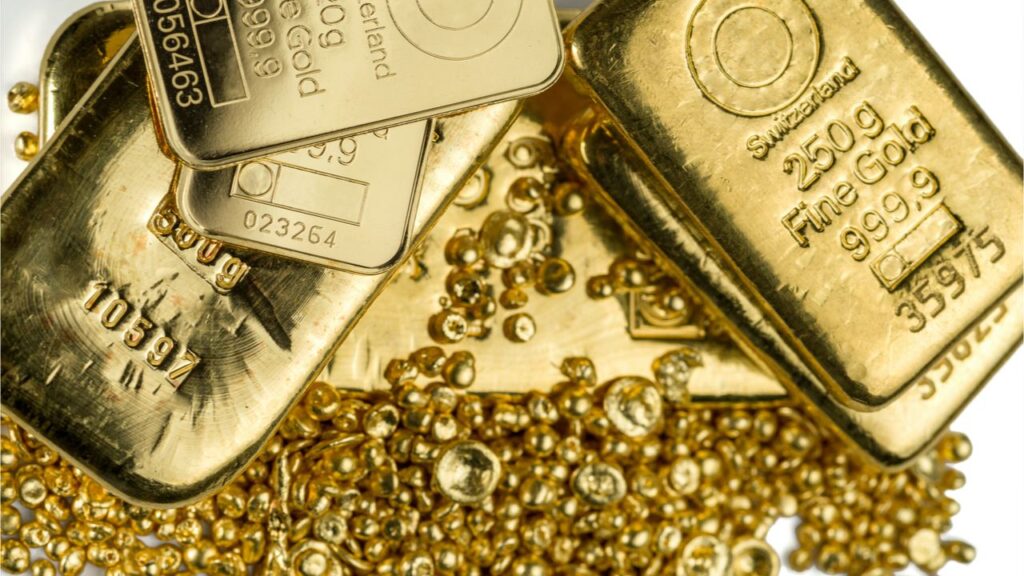
Gold Demand Forecast 2026: Record Trends, Prices & Opportunities
Discover the 2026 gold demand forecast after 2025’s record 5,002 tonnes. Strong investment & central bank buying ahead. Learn Africa impacts & maximize sales with Gold Buyers Africa — Uganda’s top gold buyer. Get expert insights now.
In 2025, global gold demand shattered records. Total demand (including OTC) hit 5,002.3 tonnes for the first time ever — up 1% year-over-year — while the market value soared to an unprecedented US$555 billion (+45% y/y).
The LBMA gold price set 53 new all-time highs, pushing the annual average to US$3,431/oz (+44%).
This explosive growth came despite record-high prices, driven by massive investment demand surges and steady central bank buying.
Looking ahead, the gold demand forecast 2026 points to continued strength: robust ETF inflows, solid bar-and-coin purchases, and elevated central bank activity amid ongoing geopolitical tensions and potential rate cuts.
Gold Buyers Africa breaks down what this means for African sellers ready to capitalize on rising demand.
Whether you’re a miner in Uganda, a jeweler in Kenya, or an investor holding physical gold, understanding these gold demand trends can help you decide when to sell for maximum returns.
High global demand equals stronger local prices — and Gold Buyers Africa is here to help you lock in the best payouts.
In this guide, we review 2025’s historic performance, deliver the latest gold demand forecast 2026, explore Africa-specific impacts, and share practical sell-or-hold strategies.
Read on to turn gold demand 2026 insights into real cash for your business or family.
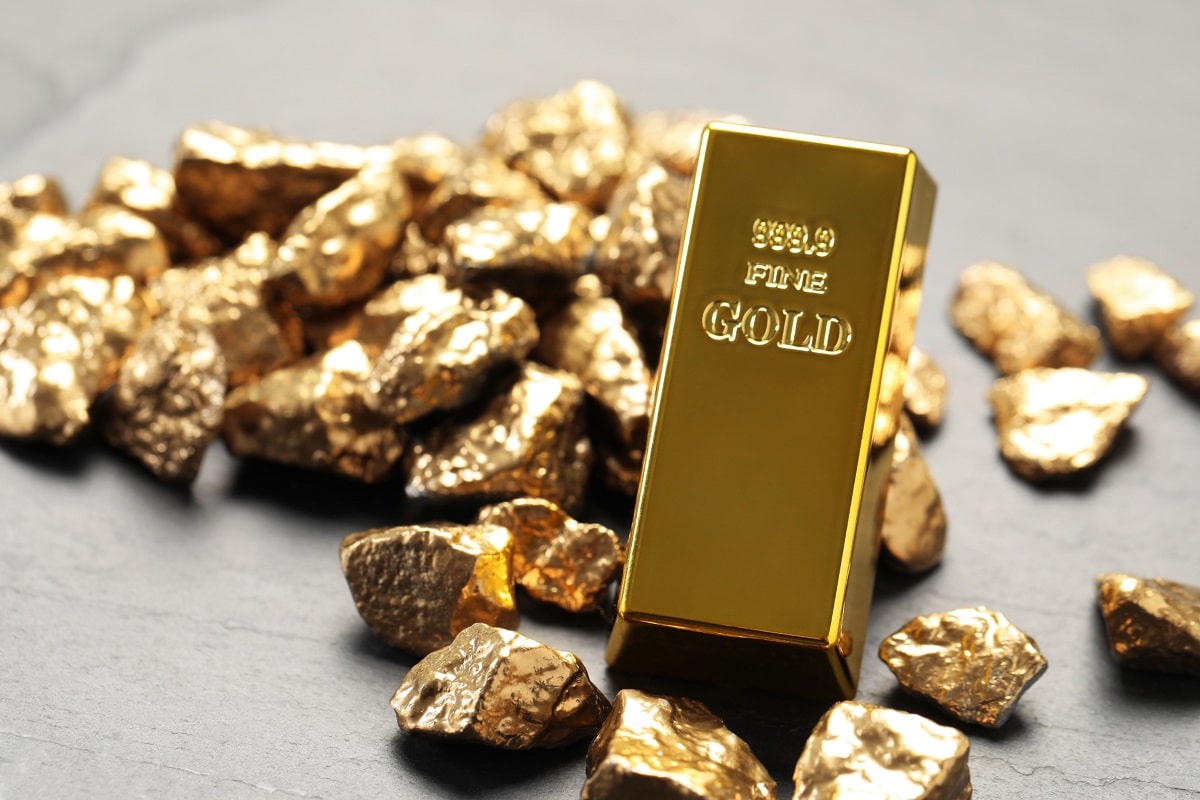
Section 1: Key Drivers of Global Gold Demand
Four main pillars drive gold demand worldwide. Understanding them helps explain why 2025 broke records and why 2026 looks strong.
1. Jewellery (price-sensitive, down in high-price eras):
This is the largest consumer category but highly elastic. When prices spike, buyers in price-sensitive markets delay purchases or opt for lighter pieces.
Example: In 2025, high prices reduced tonnage demand, yet value still hit records because consumers viewed gold jewellery as both adornment and investment.
Simple example — a family in India or Uganda buying a 22-carat necklace sees it as a dowry asset that holds value even if prices rise further.
2. Investment (ETFs, bars/coins — safe-haven surge):
This category exploded in 2025 as investors fled uncertainty. ETFs offered easy exposure, while physical bars and coins appealed to those wanting tangible ownership.
Safe-haven buying kicked in during geopolitical flares and inflation worries. Example: Retail investors in Europe and Asia piled into 1kg gold bars as banks cut rates, turning gold into a “digital cash” alternative.
3. Central banks (diversification from USD):
Emerging-market central banks continued diversifying reserves away from the US dollar. Gold provides a non-yielding but inflation-proof store of value with no counterparty risk.
Example: Countries like China, India, and now African nations added tonnes to reserves to hedge currency swings and boost credibility.
4. Technology (electronics & AI):
Gold’s conductivity makes it essential in semiconductors, connectors, and emerging AI applications. Demand here stays stable even at high prices because substitution is difficult.
Example: AI data centers and 5G devices use tiny amounts of gold in bonding wire — small per unit but massive at global scale.
In emerging markets like Uganda, jewellery and local investment play bigger roles than in the West. Families treat gold as portable wealth and cultural heritage, while small investors buy coins during harvest seasons.
This local tilt means African sellers often benefit more directly from global price spikes.
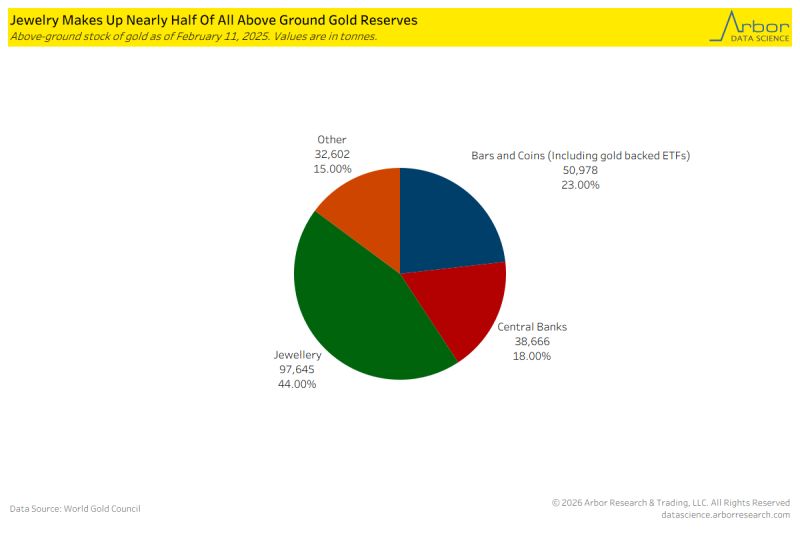
Section 2: 2025 Review — A Record-Breaking Year
2025 will be remembered as gold’s breakthrough year.
Here’s the official World Gold Council breakdown:
- Total demand: 5,002.3 tonnes (+1% y/y, including OTC)
- Investment: 2,175.3 tonnes (+84%)
- ETFs: 801.2 tonnes
- Bars & coins: 1,374.1 tonnes (bars alone up 24% to 1,068.2 tonnes)
- Jewellery: 1,638.0 tonnes (-19%) — but value hit a record US$172 billion (+18%)
- Central banks: 863.3 tonnes (still elevated, though -21% from 2024 peak)
- Technology: 322.8 tonnes (-1%)
Key drivers included geopolitics (trade tensions, conflicts), inflation hedging, and lower real rates. The price rally delivered 53 new all-time highs, with the Q4 average reaching a record US$4,135/oz.
Year-over-year comparison table:
| Category | 2024 (tonnes) | 2025 (tonnes) | Change |
|---|---|---|---|
| Total Demand (ex OTC) | 4,630.6 | 4,999.4 | +8% |
| Investment | 1,185.4 | 2,175.3 | +84% |
| Jewellery | 2,026.6 | 1,638.0 | -19% |
| Central Banks | 1,092.4 | 863.3 | -21% |
| Technology | 326.2 | 322.8 | -1% |
Africa’s export boom mirrored the global surge. Uganda’s gold exports exploded to approximately $6.4 billion in 2025 (up fivefold since 2019), making gold the country’s top export commodity.
This boom created thousands of jobs but also highlighted the need for better local value capture — exactly where trusted buyers like Gold Buyers Africa step in.
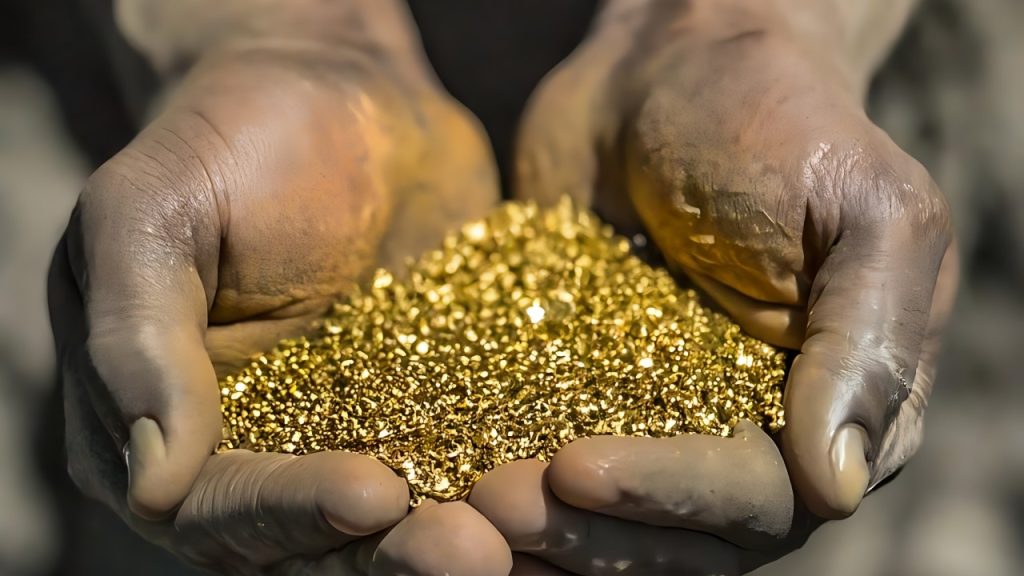
Section 3: Gold Demand Forecast 2026 — Detailed Outlook
The core of any gold demand forecast 2026 comes from the World Gold Council: investment demand stays strong while central bank buying remains elevated.
WGC expectations:
- Investment (ETFs + bars/coins): Remains the star performer. Robust bar-and-coin demand continues as safe-haven flows persist; ETFs see another year of inflows.
- Central banks: Close to 2025 levels — around 850 tonnes expected. Buying stays geographically broad.
- Jewellery: Stays weak in tonnage due to high prices, but value remains resilient.
- Technology: Stable, supported by AI growth.
Main drivers for the gold demand forecast 2026:
- Ongoing geopolitics (trade tensions, regional conflicts)
- Potential lower real rates and a softer US dollar
Price implications: Gold already crossed US$5,000/oz in early 2026. Analysts see continued highs or rangebound trading near these levels, with upside potential to $5,500+ in risk-off scenarios.
Three scenarios (based on WGC Gold Outlook 2026):
- Base case (strong demand): Consensus macro holds — gold stays rangebound but supported by steady ETF and central bank buying.
- Upside (more uncertainty): Deeper slowdown or geopolitical shocks → gold surges 15–30%. Massive ETF inflows and flight-to-safety.
- Downside (profit-taking): Strong reflation and higher rates → mild correction of 5–20%, with some ETF outflows.
Projected demand table 2026 (WGC-based estimates):
| Category | 2025 Actual | 2026 Projected | Outlook |
|---|---|---|---|
| Investment | 2,175t | 2,000–2,400t | Strong (ETFs + bars/coins) |
| Central Banks | 863t | ~850t | Elevated & broad |
| Jewellery | 1,638t | ~1,500–1,600t | Weak tonnage, solid value |
| Technology | 323t | ~320–330t | Stable |
| Total (ex OTC) | 5,000t | Strong growth | Continued record territory |
Local angle: African central banks (including Uganda’s new reserve program targeting 100kg by mid-2026) will keep buying. This domestic purchasing directly boosts local prices and creates opportunities for sellers.

Section 4: Africa-Specific Gold Demand Trends & 2026 Impact
While global reports from the World Gold Council focus on broad trends, East Africa’s unique dynamics often get overlooked.
In Uganda, Kenya, and Tanzania — key players in the region’s gold ecosystem — gold demand blends cultural, investment, and institutional factors, amplified by record-high prices in 2025 and into 2026.
1. Jewellery and investment shifts in Uganda, Kenya, and Tanzania:
High prices suppressed jewellery volumes across East Africa, mirroring the global -19% drop in 2025. In price-sensitive markets, consumers delayed big purchases or chose lighter pieces, yet value held strong due to gold’s perceived status as both adornment and hedge.
In Uganda and Tanzania, cultural demand for gold jewellery (weddings, dowries, festivals) remains resilient — families view it as portable wealth amid inflation.
Investment in physical bars and coins surged locally, as individuals sought safe-haven protection from currency volatility and geopolitical risks.
Kenya saw similar patterns, with urban investors shifting toward gold amid economic pressures. Overall, while tonnage softened, East African consumers and small investors treated gold more as an asset than pure luxury, boosting local premiums during global highs.
2. Central bank buying programs (Uganda example):
African central banks are joining the global diversification wave. Uganda’s Bank of Uganda launched its Domestic Gold Purchase Programme in March 2026, targeting at least 100 kg of locally produced gold by June to build reserves and cushion against external shocks.
The bank buys from licensed dealers and miners, refining to international standards for reserve addition. This initiative, valued at around $160 million at current prices, supports forex stability and keeps more value domestic.
Kenya’s central bank has signaled plans to start gold purchases as an “extra buffer,” while Tanzania’s Bank of Tanzania has been actively buying (over 19 tonnes by early 2026 under its program). These moves align with broader African trends, reducing USD reliance and supporting gold demand regionally.
3. Mining supply vs. demand balance:
Uganda’s gold exports exploded in 2025, reaching approximately $5.8–$6.4 billion (up 76% from 2024), driven by higher global prices rather than massive production growth.
The country acts as a regional hub, refining and exporting gold from domestic artisanal sources plus neighbors like DRC and South Sudan. Domestic output remains modest, but new large-scale projects (e.g., the $250 million Wagagai mine) signal future supply increases.
Demand outpaces local supply in value terms, with exports far exceeding retained benefits (net gain often just $200 million after imports). This imbalance highlights traceability needs — central bank programs aim to formalize supply chains and capture more economic value locally.
4. Opportunities for local sellers amid global highs:
With spot gold near $5,000–$5,200/oz in March 2026 and sustained investment plus central bank interest, East African sellers face premium pricing windows.
Volatility from geopolitics or rate shifts could create peaks — now is ideal for converting holdings to cash. Miners, jewelers, and investors benefit from rising local demand and formal channels.
Our on-ground teams in Kampala and across East Africa help buyers lock in top prices before any 2026 volatility. At Gold Buyers Africa, we provide transparent, competitive offers tied to daily international benchmarks, ensuring you maximize returns in this strong market.
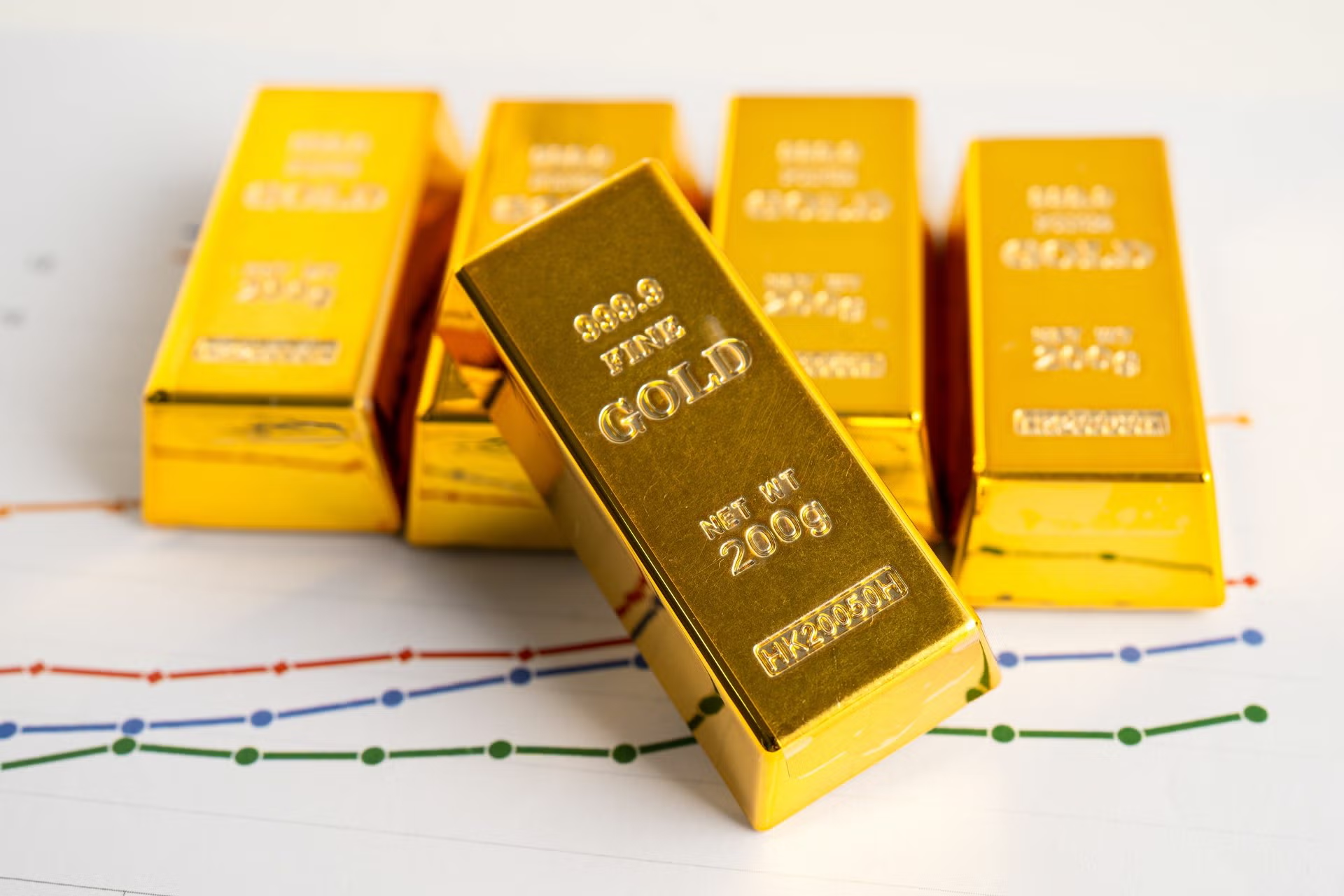
Section 5: What This Means for You — Sell or Hold Strategy
The gold demand forecast 2026 remains overwhelmingly positive, with the World Gold Council highlighting continued strong investment demand (ETFs, bars, and coins), elevated central bank buying near 850 tonnes, and resilient value in jewellery despite softer volumes.
Geopolitical risks, potential lower real interest rates, and diversification trends support this outlook, even as prices hover around $5,000–$5,200/oz in March 2026 (recent spot prices near $5,020–$5,120/oz after January highs above $5,000).
High global demand = strong prices right now. This creates one of the best windows in years to realize gains from your gold holdings.
With Uganda’s gold exports surging to approximately $6.4 billion in 2025 (making it the top export) and the Bank of Uganda launching its domestic gold purchase program in March 2026 (targeting at least 100 kg by June), local prices benefit directly from both international momentum and growing national reserves.
Practical sell-or-hold advice for Ugandan sellers:
- Sell portions now (e.g., 30–50% of your holdings) to lock in near-record prices. Use proceeds for business expansion, family needs, or debt reduction while gold remains a strong hedge.
- Hold the balance as a long-term safe-haven — analysts like J.P. Morgan see potential toward $5,000–$6,000+/oz by year-end 2026 in bullish scenarios driven by uncertainty and inflows.
- Key risks to watch: Short-term volatility from stronger USD, delayed rate cuts, or profit-taking could cause 5–15% pullbacks. Avoid panic selling; time sales around peaks.
Diversify timing — sell incrementally if prices climb further, or accelerate if risks mount. Monitor daily LBMA prices and local premiums.
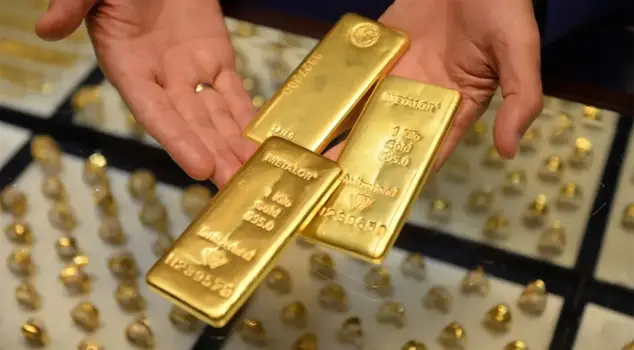
Why Gold Buyers Africa is Your Partner in 2026
As Uganda’s leading gold buyer, we make selling simple, secure, and profitable:
- Fair market rates updated daily, closely tied to international spot with competitive local premiums.
- Instant payment via mobile money (MTN/Airtel), bank transfer, or cash — no waiting days for funds.
- Fully licensed and insured operations with transparent, certified weighing and testing.
- No hidden fees — what you see is what you get, every time.
Real impact from our clients:
- “In early 2026, I bought 3kg at peak prices and received full payment instantly via Bank payment — better service than any dealer in Kampala!” — Michael O., artisanal miner from Mubende.
- “Gold Buyers Africa handled our 8kg batch professionally with zero deductions. We got 98% of spot value the same day — highly recommend!” — Grace N., jeweler in Dubai.
- In 2025, we facilitated payouts to over 600 sellers, helping convert record-high prices into real cash for families and businesses across East Africa.
Don’t let volatility catch you off-guard. Whether you’re ready to sell a small amount or a larger holding, Gold Buyers Africa ensures maximum value with trust and speed.
Ready to capitalize on today’s strong gold demand? Contact Gold Buyers Africa now for a free, no-obligation valuation. Visit our Kampala office, call/WhatsApp us or submit details via our quick online form. Uganda’s trusted gold buyer is here to help you sell smart and secure your payout today!
Key Takeaways
Here are the most important points from this comprehensive guide to the gold demand forecast 2026:
- Global gold demand reached a record 5,002 tonnes in 2025 (including OTC), with a market value of US$555 billion — the first time ever surpassing 5,000 tonnes.
- Investment demand surged 84% to 2,175 tonnes in 2025, driven by ETFs (801 tonnes) and bars/coins (1,068 tonnes), making it the dominant driver.
- Jewellery demand fell 19% in volume but hit record value due to high prices; central bank purchases remained elevated at 863 tonnes.
- For 2026, the World Gold Council expects continued strength: robust investment (ETFs + bars/coins), central bank buying near 850 tonnes, and resilient value despite weaker jewellery tonnage.
- Key drivers include geopolitics, potential lower real rates, US dollar pressure, and safe-haven appeal — supporting rangebound to upside price scenarios (potential 15–30% gains in high-uncertainty cases).
- In East Africa, Uganda’s gold exports hit approximately $6.4 billion in 2025 (up fivefold since 2019), with the Bank of Uganda’s new program targeting 100 kg by mid-2026 to build reserves and retain more value locally.
- High gold demand creates peak pricing opportunities — now is often ideal for sellers to lock in gains, especially with volatility risks ahead.
- Gold Buyers Africa helps Ugandan and East African sellers maximize returns with fair rates, instant payments, and transparent service.
These takeaways make the article scannable for Google featured snippets and People Also Ask boxes.
FAQ: Gold Demand Forecast 2026 – Common Questions Answered
Will gold demand keep rising in 2026?
Yes — the World Gold Council forecasts sustained strong demand, led by investment and central bank buying, despite high prices. Total demand could remain in record territory.
What is the gold demand forecast for 2026 according to the World Gold Council?
Investment stays robust, central banks near 850 tonnes, jewellery weak in volume but value-resilient, technology stable — overall positive outlook driven by geopolitics and lower real rates.
How high could gold prices go in 2026?
Analysts see rangebound to upside: base case steady, moderate gains 5–15%, or surges 15–30% in risk-off scenarios. Some forecasts point to $5,400–$6,300/oz by year-end.
Why did gold demand hit a record in 2025?
Investment exploded (+84% to 2,175 tonnes) amid safe-haven flows, 53 price highs, and inflation hedging, pushing total demand to 5,002 tonnes.
Is jewellery demand recovering in 2026?
Likely not in volume — high prices continue to suppress purchases in price-sensitive markets like East Africa and India, though value holds due to cultural importance.
How are African central banks affecting gold demand?
They’re diversifying reserves; Uganda’s program targets 100 kg by mid-2026, Kenya and Tanzania are active — supporting local prices and reducing USD reliance.
Should I sell my gold now in Uganda?
High demand equals strong prices — selling portions now locks in gains. Watch volatility; use trusted buyers like Gold Buyers Africa for best rates.
What risks could lower gold demand in 2026?
Stronger USD, delayed rate cuts, profit-taking, or reduced uncertainty could cause mild corrections (5–20% downside in reflation scenarios).
How has Uganda’s gold export boom impacted local sellers?
Exports reached $6.4 billion in 2025, boosting prices — but formal channels help sellers capture more value amid global highs.
Where can I sell gold in Kampala at fair prices?
Gold Buyers Africa offers daily updated rates, instant payments, licensed operations, and no hidden fees — contact us for a free valuation.
Author Bio
Written by the team at Gold Buyers Africa — East Africa’s leading gold purchaser. With years of on-the-ground experience in Kampala and across Uganda, Kenya, and Tanzania, our experts help miners, jewelers, and investors navigate gold markets.
We provide transparent, competitive buying with instant cash payouts. Trust Gold Buyers Africa for fair deals in a volatile world — contact us today to sell your gold securely.