What Is Gold Dust | Top Uses, Value & How to Buy Safely in 2025
Gold dust—the fine, glittering particles left behind during mining—has fascinated humans for centuries.
Once considered little more than a byproduct, today it holds significant value across multiple industries.
From being crafted into unique jewelry pieces to its role in luxury skincare and even as an investment asset, gold dust is no longer just a relic of panning rivers in the gold rush era.
In this guide, we’ll explore everything about gold dust, including its origins, practical uses, market value, and how to buy or sell it safely without falling victim to scams.
This comprehensive guide covers what gold dust is, its benefits, and how you can invest or trade it wisely.
Table of Contents

What Is Gold Dust?
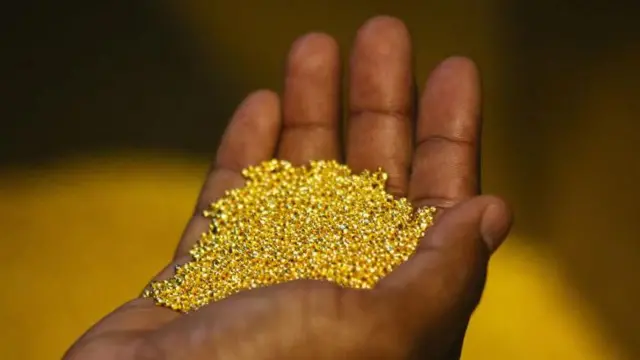
Gold dust refers to the tiny, fine particles of gold that are naturally released during mining or processing. Often shimmering and almost powder-like, gold dust is a form of fine gold that can range in size from microscopic flakes to visible granules.
These particles are highly valued due to their purity and versatility, making them a sought-after commodity in industries ranging from jewelry to luxury goods.
Gold dust can exist in several forms.
- Natural gold dust is collected directly from riverbeds, mining sluices, or panning operations and may contain traces of other minerals. It requires careful cleaning and refinement before being used for investment or industrial purposes.
- Refined gold dust, on the other hand, has been processed to remove impurities, resulting in near 99.99% purity, making it ideal for high-end jewelry, edible gold applications, and investment-grade products.
- Edible Gold Dust – Specially processed for use in culinary arts, desserts, and beverages. Edible gold dust is safe for consumption and adds a luxurious touch to food and drinks.
The properties of gold dust make it unique compared to larger gold forms. Its small particle size allows it to be easily molded into decorative items, mixed into cosmetics, or incorporated into fine art.
In the culinary world, edible gold particles derived from gold dust are used to decorate desserts, chocolates, and beverages, providing a luxurious finishing touch.
In addition, gold dust serves as a valuable investment asset. Investors often buy fine gold particles as a more accessible entry point compared to larger bars or coins, allowing for incremental accumulation of wealth.
The purity, market demand, and versatility of gold dust make it a key player in the modern gold market, bridging the gap between raw mining outputs and refined, market-ready gold products.
Key Properties of Gold Dust:
-
Extremely fine particles or gold particles that shimmer under light.
-
High malleability, allowing it to be molded or mixed in jewelry and cosmetic applications.
-
Retains intrinsic value based on gold purity and weight.
-
Often sold by gram or ounce, with prices influenced by global gold markets.
Gold dust bridges the gap between raw mineral wealth and refined investment-grade gold.
Whether for crafting unique jewelry, culinary delights, or accumulating wealth, understanding the forms and properties of gold dust is essential for anyone interested in this valuable resource.
Historical Significance of Gold Dust
Gold dust has played a crucial role in shaping human history, influencing economies, trade, and exploration for centuries.
Its allure was not just in its glittering appearance but also in its intrinsic value, which made it a cornerstone of wealth accumulation.
During the gold rush era, prospectors scoured rivers and streams in search of tiny flecks of gold dust. Notable examples include:
-
The 1849 California Gold Rush – Thousands of miners traveled to California, panning for gold dust in rivers and streams, hoping to strike it rich. This event accelerated settlement and economic development in the region.
-
Australian Gold Rushes – In the 1850s, regions like Victoria saw a surge of miners collecting gold dust, which fueled migration and local economies.
Gold dust was also a key commodity along historic trade routes. Traders would transport fine gold to markets in Asia, Europe, and Africa, often as a medium of exchange or to craft jewelry and religious artifacts.
In many societies, gold dust in mining symbolized wealth, prestige, and power.
Key Historical Highlights:
-
Gold dust was easier to transport and trade than large nuggets or mined gold bars.
-
It served as a currency in local economies before the advent of modern coinage.
-
Mining techniques, such as panning and sluicing, were developed specifically to extract fine gold particles efficiently.
-
The pursuit of gold dust spurred exploration, migration, and even conflict, leaving lasting cultural and economic impacts.

Gold dust’s historical significance extends beyond wealth—it shaped civilizations, influenced global trade, and inspired human ingenuity in mining and metallurgy. Its legacy continues today in both investment and luxury markets.
Modern Uses of Gold Dust
Gold dust is no longer just a historical relic—it has found a wide range of applications in today’s luxury, industrial, and investment markets.
Its fine particles and inherent value make it highly versatile, appearing in jewelry, cosmetics, gourmet cuisine, and even high-tech industries.
Jewelry and Design
Gold dust in jewelry allows artisans to create intricate designs and unique textures that are impossible with traditional gold bars or nuggets.
Fine gold particles can be embedded in rings, pendants, or necklaces, adding a luxurious shimmer.
Designers often combine gold dust with other precious metals to produce bespoke jewelry pieces that appeal to high-end consumers.

Cosmetics and Skincare
Gold dust has become increasingly popular in cosmetics and skincare.
Many luxury brands incorporate fine gold particles into face masks, creams, and serums, claiming anti-aging, brightening, and collagen-boosting effects.
While some benefits are cosmetic, the shimmering effect of gold dust adds a touch of opulence that attracts premium consumers.

Culinary Arts
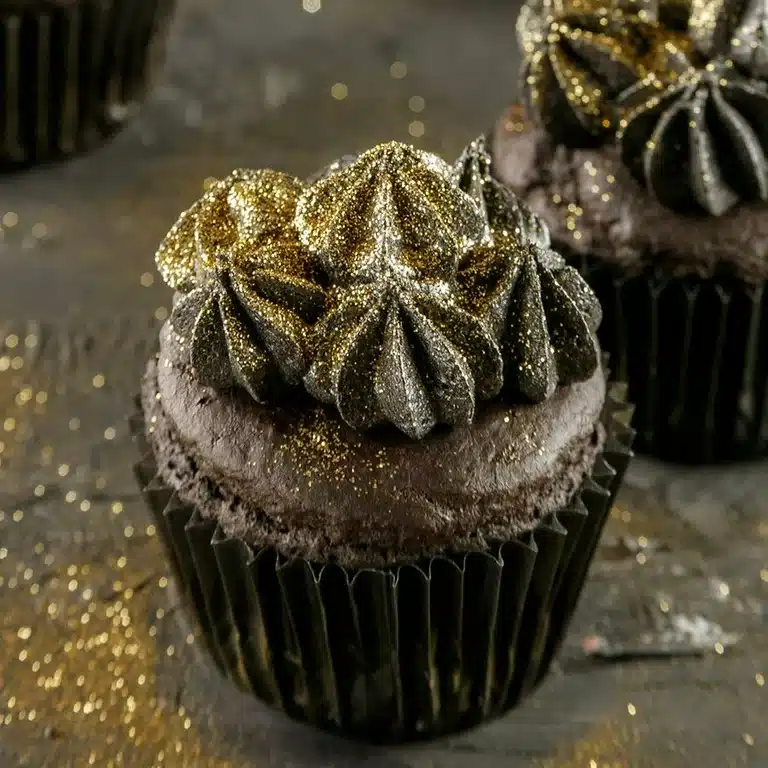
Edible gold dust is widely used in gourmet cooking, cocktails, and desserts to create a luxurious dining experience.
From gold-topped chocolates to sparkling beverages, edible gold dust elevates the visual appeal and perceived value of culinary creations.
It is safe for consumption and typically made from 22K–24K gold to ensure purity.
Electronics and Industry
Beyond luxury and aesthetics, gold dust is essential in electronics and industrial applications.
Its excellent conductivity makes it valuable for circuit boards, connectors, and microchips.
Even tiny quantities of gold dust can significantly enhance performance and durability in high-tech devices.

Gold dust’s versatility makes it a highly sought-after commodity across multiple sectors.
From dazzling jewelry and skincare innovations to gourmet cuisine and advanced electronics, its applications continue to expand, solidifying its value in both commercial and investment contexts.
Gold Dust vs. Gold Nuggets: Key Differences
| Feature | Gold Dust | Gold Nuggets |
|---|---|---|
| Form | Fine particles or powder-like form of gold | Solid, naturally occurring pieces of gold |
| Size | Tiny grains, often less than 1mm | Larger chunks, can range from a few grams to several kilograms |
| Purity | Often mixed with impurities; requires refining | Naturally higher purity but still may need refinement |
| Appearance | Shiny, fine, sand-like texture | Solid, irregularly shaped metallic pieces |
| Extraction | Collected from alluvial deposits, riverbeds, and crushing ore | Found in riverbeds, streams, and hard rock mining |
| Market Value | Lower price compared to nuggets due to refining needs | Higher value because of rarity and natural form |
| Investment Use | Commonly refined into bars or coins for trade | Valued by collectors, jewelers, and investors for uniqueness |
| Rarity | More abundant and widely available | Rarer and considered more precious |
| Storage & Handling | Easy to store in sealed containers but harder to verify purity | Easier to verify authenticity, often sold with certificates |
How Much Is Gold Dust Worth?
As of September 2025, gold dust prices range from $50 to $70 per gram for 24K purity, depending on market trends, location, and dealer premiums.
This valuation reflects the fine gold content and the current global gold market conditions.
Key Pricing Factors
The value of gold dust is influenced by several factors:
-
Purity: Higher purity gold dust commands a premium. For instance, 24K gold dust is more valuable than 18K or 22K due to its higher gold content.
-
Weight: Larger quantities may be priced lower per gram due to reduced dealer premiums.
-
Market Rates: Fluctuations in the global gold market directly impact gold dust prices.
-
Dealer Premiums: Additional costs added by dealers for refining, packaging, and profit margins.
Recent Price Trends
-
August 2025: The average gold price per gram was approximately $108.50 USD .
-
May 2025: Spot gold prices reached $3,447.95 per ounce, equating to about $111.50 per gram .
Price Comparison Table
| Purity | Price per Gram (USD) |
|---|---|
| 24K | $108.50 |
| 22K | $99.50 |
| 18K | $83.10 |
Note: Prices are approximate and can vary based on market conditions and dealer premiums.
Understanding these factors can help buyers and investors assess the value of gold dust and make informed purchasing decisions.
How to Buy Gold Dust Safely
Buying gold dust can be a lucrative investment, but it requires caution to avoid scams and counterfeit products.
Whether you are a first-time buyer or an experienced investor, following best practices ensures that your purchase is secure and authentic.
1. Research Reputable Sellers
When looking to buy gold dust or find gold dust for sale, start by identifying licensed and certified dealers. Key indicators of reputable sellers include:
-
Membership in recognized industry organizations or certifications (e.g., LBMA-certified refineries).
-
Positive reviews from verified buyers.
-
Transparent business practices, including clear pricing, payment options, and delivery terms.
2. Verify Purity and Certification
Gold dust should always come with assay certificates or hallmarks confirming its purity.
These documents guarantee the gold content and make it easier to resell or trade in the future. Avoid sellers who cannot provide certification.
3. Watch Out for Red Flags
Be cautious of offers that seem too good to be true. Common warning signs include:
-
Prices significantly below the current market value.
-
Lack of detailed product descriptions or photos.
-
No information on storage, shipment, or insurance.
-
Sellers refusing to provide proof of origin or certification.
4. Compare Prices and Terms
Even reputable dealers may have different premiums, shipping fees, and payment options. Compare multiple sources before committing to a purchase.
This ensures you get fair pricing and reduces the risk of overpaying.
5. Consider Secure Payment and Delivery Methods
Use secure payment methods, such as bank transfers, verified online platforms, or insured escrow services.
For physical delivery, ensure that shipments are insured and tracked, or consider using professional storage solutions for larger quantities.
6. Trusted Platforms and Dealers
While specific recommendations should be verified independently, buyers often rely on well-established bullion dealers, online marketplaces with strong reputations, and certified local suppliers like Gold Buyers Africa.
Cross-check credentials and customer feedback before finalizing a transaction.
Call to Action:
Before purchasing, take the time to research the current gold dust price, compare offers, and verify certifications.
Investing in verified and trusted sources will protect your wealth and ensure a safe, profitable experience when buying gold dust.
How to Sell Gold Dust Profitably
Selling gold dust can be highly profitable if you follow the right strategies and deal with trusted buyers.
Since gold dust is less refined compared to gold bars or nuggets, maximizing profit depends on verification, refining, and choosing the right marketplace.
1. Verify Purity and Weight
-
Testing Purity (Karat/Assay): Always test your gold dust at a licensed refinery or laboratory. The purity is expressed in karats or percentages (24K = 99.99% pure).
-
Weigh Accurately: Use a digital gold scale for precise measurement. Even small weight differences can significantly impact your selling price.
✅ Tip: Buyers pay more for gold dust that comes with authentic assay certificates.
2. Refine Before Selling (Optional but Profitable)
-
Raw gold dust often contains impurities like sand, quartz, or other minerals.
-
Refining increases purity, which allows you to sell at a premium price closer to the global spot rate.
-
Partner with trusted refineries (such as those in Uganda, Ghana, or Dubai) for cost-effective refining.
3. Choose the Right Selling Platform
-
Direct to Licensed Buyers/Dealers: Companies like Gold Buyers Africa offer secure and fair trade.
-
Jewelry & Gold Traders: Jewelers often buy small quantities of refined gold dust for production.
-
International Buyers: Exporting gold dust can be profitable if you comply with customs and export regulations.
✅ Always check licenses to avoid fraud.
4. Monitor Global Gold Prices
-
Track the daily gold price per gram, ounce, and kilo.
-
Gold dust prices are usually slightly lower than refined bars, but timing your sale during market highs ensures maximum profit.
-
Example: Selling during global price surges (like in 2025 trends) can boost your margins.
5. Negotiate Smartly
-
Don’t rush into the first offer. Compare multiple buyers.
-
Understand deductions for refining, taxes, and export costs.
-
Always sign written contracts to secure payments.
6. Legal and Export Compliance
-
Obtain the required permits from your local mining or energy ministry.
-
Ensure export licenses if selling internationally.
-
Work with registered clearing agents to handle shipping and customs clearance.
7. Build Long-Term Buyer Relationships
-
Consistent supply + transparent dealings = higher repeat sales.
-
Trusted buyers often offer better rates for long-term partnerships.
Example of a Profitable Selling Path:
-
Collect and weigh 500g of gold dust.
-
Verify purity → 92% (22K).
-
Refine to 99.99% (24K).
-
Approach a licensed buyer like Gold Buyers Africa.
-
Negotiate based on current spot price minus minimal refining costs.
-
Export legally to a buyer in Dubai or India for a higher premium.
Pro Tip: Always sell through licensed and reputable dealers such as Gold Buyers Africa, who offer secure transactions, fair pricing, and international connections.
Gold Dust Investment Tips
Investing in gold dust can be a profitable venture if handled with the right knowledge and strategies. Since gold dust is usually less refined than bars or coins, buyers and sellers must pay attention to purity, authenticity, and market timing.
Below are some expert tips to maximize your returns:
1. Verify Purity and Certification
Always check the purity of gold dust before buying. Certified assay reports ensure you are purchasing genuine and high-quality gold dust. Reputable dealers like Gold Buyers Africa provide documentation to guarantee authenticity.
2. Buy from Licensed Dealers
Avoid risks by working only with licensed and verified gold exporters. Unregulated markets may offer lower prices but carry a higher chance of fraud.
3. Understand Market Prices
Keep track of the global gold price per gram and ounce. Since gold dust is sold by weight, aligning your purchases or sales with favorable market trends can greatly improve profitability.
4. Focus on Liquidity
While gold dust is easier to transport than nuggets or bars, not all markets accept it directly. Look for buyers in established hubs like Uganda, Dubai, or Switzerland where refining and resale are easier.
5. Diversify Your Gold Portfolio
Don’t rely solely on gold dust. Combining it with refined gold bars, coins, or even jewelry spreads risk and balances short-term and long-term investment potential.
6. Minimize Transaction Costs
Choose buyers who offer fair premiums and low commission fees. Platforms like Gold Buyers Africa provide transparent pricing to help you keep more profit.
Pro Tip: Treat gold dust as both a trading commodity and a long-term hedge against inflation. Secure storage and proper documentation can significantly boost resale value.

Why Choose Gold Buyers Africa for Buying Gold Dust
Gold Buyers Africa is a trusted, government-registered gold dealer based in Kampala, Uganda, specializing in sourcing and delivering authentic, high-purity gold dust directly from reputable African mines.
Here’s why investors, jewelers, and collectors prefer partnering with us:
99.99% Purity Guarantee
We offer 24K gold dust with assay certificates confirming purity, ensuring you receive the highest quality product for your investment.
Transparent Pricing & Secure Transactions
Our pricing is competitive and transparent, with no hidden fees. We provide multiple secure payment options, including bank transfers, escrow services, and Letters of Credit, to facilitate safe transactions.
Comprehensive Export Documentation
We handle all necessary export paperwork, including export permits, customs declarations, certificates of origin, assay certificates, and insured shipping documents, ensuring a smooth and compliant export process.
Ethical Sourcing & Compliance
We are committed to ethical sourcing practices, ensuring that all gold dust is obtained legally and responsibly, adhering to international standards and regulations.
Personalized Guidance for First-Time Buyers
Our experienced team offers personalized support, guiding you through every step of the purchasing process, from initial inquiry to final delivery, ensuring a seamless and informed experience.
Environmental and Ethical Considerations
As demand for gold dust continues to grow, so does the importance of ethical sourcing and sustainable gold mining.
Traditional gold mining can have significant environmental impacts, including deforestation, water pollution, and the use of hazardous chemicals like mercury and cyanide.
These practices not only harm ecosystems but can also negatively affect local communities.
Ethical Gold Dust
Investors and consumers are increasingly seeking ethical gold dust—gold sourced through transparent, responsible methods that prioritize worker safety, fair wages, and community welfare.
Many certified refineries and suppliers now offer gold dust that complies with international ethical standards, including Fairtrade Gold certification.
Sustainable Gold Mining
Sustainable mining practices aim to minimize environmental damage by:
-
Reducing water and chemical usage in ore processing.
-
Implementing land rehabilitation programs post-mining.
-
Ensuring energy-efficient extraction and refining processes.
According to the World Gold Council, responsible gold sourcing not only mitigates environmental harm but also ensures that gold products—including gold dust—meet investor and consumer expectations for sustainability and ethics.
Why It Matters:
Purchasing ethically sourced gold dust allows buyers to support environmentally responsible practices and socially fair operations, aligning investments with personal values while maintaining the intrinsic value of their holdings.
By prioritizing ethical and sustainable options, buyers can enjoy the beauty and value of gold dust while promoting a positive impact on the planet and communities involved in gold production.
Frequently Asked Questions (FAQs)
Q1: What is gold dust made of?
Gold dust consists of pure gold particles, often refined to 99.9% purity, though natural dust may contain trace minerals.
Q2: Is gold dust safe for skin?
Yes, gold dust is safe for skincare only if it is certified for cosmetic use. Non-certified dust can cause irritation.
Q3: How is gold dust mined?
Gold dust is extracted through placer mining in rivers or streams, or recovered from refining processes in gold production facilities.
Q4: Can I invest in gold dust?
Yes, gold dust is a legitimate investment, valued by weight and purity, and can be sold or stored as part of a diversified portfolio.
Q5: Is edible gold dust safe to consume?
Absolutely. Edible gold dust is made from 22K–24K gold and is certified safe for culinary use in desserts, drinks, and other gourmet dishes.
Q6: Where can I buy gold dust safely?
Purchase from licensed and reputable dealers who provide assay certificates, transparent pricing, and verified customer reviews. Avoid offers that seem unusually cheap or lack proper documentation.
SEO Keywords / LSI: gold dust FAQs, buy gold dust, gold dust for sale, edible gold dust, ethical gold dust
Conclusion
Gold dust is a versatile and valuable commodity with applications spanning jewelry, cosmetics, culinary arts, and investment. Understanding its properties, market value, and ethical sourcing is essential for buyers and investors seeking both beauty and financial growth. From its historical significance in gold rushes to modern uses in luxury and technology, gold dust remains a sought-after resource worldwide.
For safe and profitable transactions, always purchase from licensed and trusted dealers, ensuring proper certification and fair pricing.
Call-to-Action:
Explore more about gold dust uses and investment opportunities with Gold Buyers Africa, your trusted partner for genuine, certified gold dust and expert guidance in the gold market.