
Invest in African Gold: High Returns, Ethical Mining, and Emerging Market Opportunities 2026
Africa produces nearly 25% of the world’s gold, making it one of the most lucrative regions for investors seeking growth amid rising global gold prices.
In recent years, soaring demand, coupled with political stability in key mining countries, has amplified the continent’s allure for both seasoned and novice investors.
As the world grapples with economic uncertainty, investing in African gold is emerging as a strategic way to protect wealth, diversify portfolios, and tap into an expanding market.
Investing in African gold is timely not just because of favorable market conditions, but also due to the continent’s economic trajectory.
Countries like South Africa, Ghana, and Mali are experiencing steady growth in mining production, supported by robust regulatory frameworks and foreign investment incentives.
This makes African gold an attractive option for investors seeking high returns while hedging against inflation and currency fluctuations.
Beyond economics, the geopolitical stability of key regions ensures that investments are less susceptible to abrupt disruptions, offering a relatively secure gateway into emerging markets.
From a personal finance perspective, African gold presents multiple advantages.
It allows investors to diversify away from traditional asset classes, mitigating risk while capitalizing on the growth potential of emerging economies.
Additionally, gold has historically served as a safe haven during times of financial turbulence, making it a reliable tool for wealth preservation.
In essence, choosing to invest in African gold is more than a financial decision—it’s a strategic move that blends high returns, portfolio diversification, and access to one of the world’s fastest-growing markets.
For investors seeking opportunities that balance risk with substantial reward, African gold stands out as a timely and compelling option.

Understanding African Gold Markets
Africa’s gold markets are both vast and varied, shaped by centuries of mining history and evolving economic dynamics.
Today, the continent remains a cornerstone of global gold supply, producing roughly 650–700 metric tons annually, accounting for about 18–27% of global gold production depending on the data year.
Key Gold‑Producing Countries
Ghana stands as Africa’s top gold producer, with output around 130 metric tons in 2024, and projections suggesting continued growth into 2025.
Ghana’s mines—like Obuasi, Tarkwa, and Ahafo—are operated by international majors such as Newmont, Gold Fields Ltd., and AngloGold Ashanti, and the sector contributes significantly to export earnings and employment.
South Africa is historically the continent’s gold leader.
Its famed Witwatersrand Basin has produced more gold than any other region in history, but modern output has declined from its mid‑20th‑century peak.
Recent figures point to around 90–100 metric tons per year, with iconic deep mines like Mponeng and South Deep still operational.
Mali and Tanzania round out important producers.
Mali’s output has fluctuated around 50–70 metric tons annually, with major sites like Loulo‑Gounkoto and Syama.
Political shifts and regulatory disputes have affected production momentum.
Tanzania’s gold mining—centered on Geita, North Mara, and Bulyanhulu—adds roughly 45–50 metric tons annually.
Beyond these, countries such as Burkina Faso, Sudan, Zimbabwe, Côte d’Ivoire, and emerging producers like Uganda also contribute to the African gold mosaic.
Types of Gold Investments
Investors can access Africa’s gold markets in several ways:
-
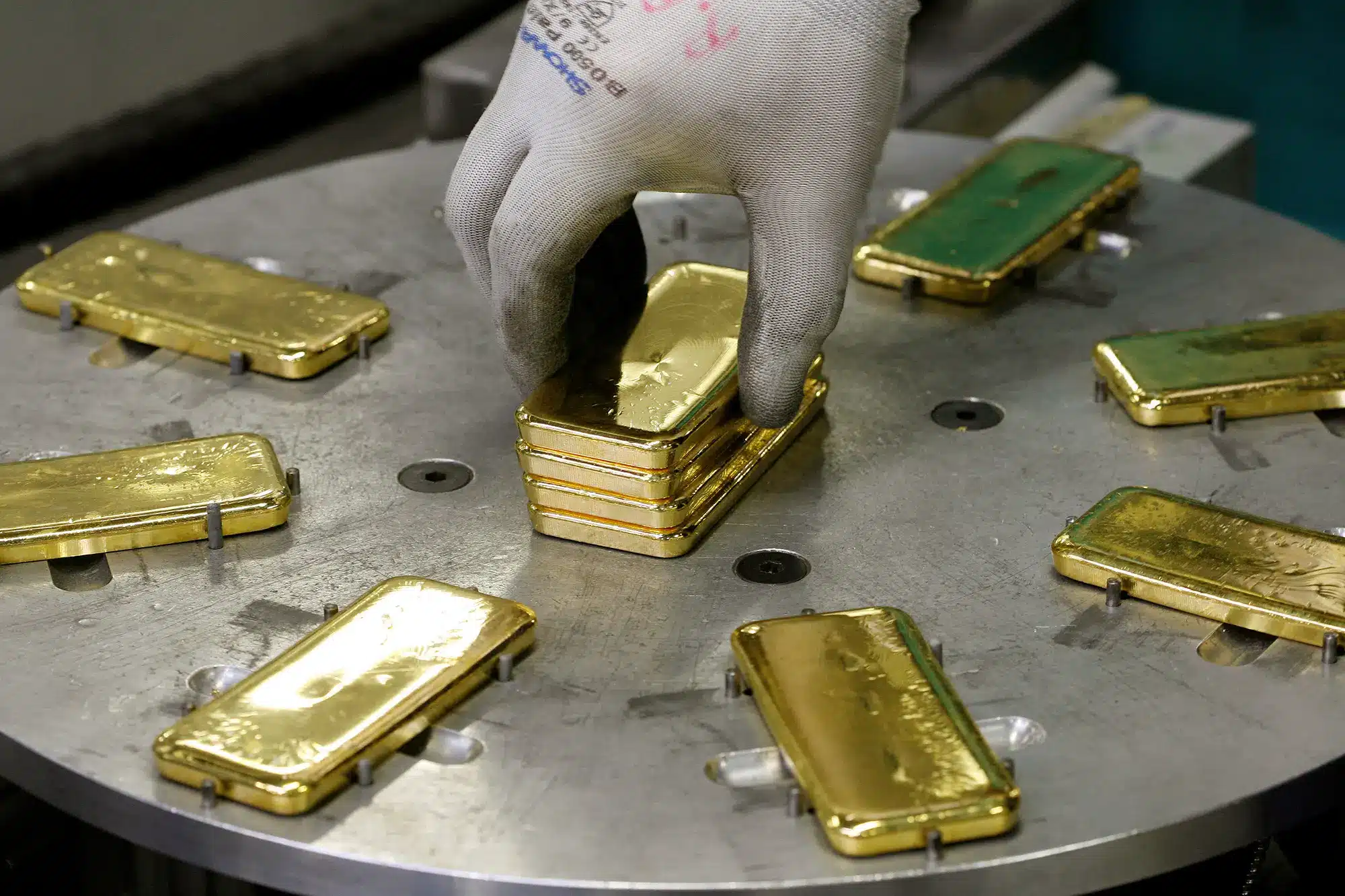
Physical Gold: Buying gold bars, coins, or bullion sourced from African producers can be an effective inflation hedge and store of value. This may involve local dealers or international markets.
-
Mining Stocks: Shares in individual companies with African exposure—such as Gold Fields Ltd., AngloGold Ashanti, Barrick Gold, or Newmont—offer equity participation in production growth and price leverage.
-
ETFs: Exchange‑traded funds such as the VanEck Vectors Gold Miners ETF (GDX) provide diversified exposure to global gold mining stocks, including firms with significant African operations.
Different vehicles suit different risk tolerances. Physical gold tends to preserve wealth, while equities and ETFs offer upside tied to operational performance and commodity pricing.
Market Trends and Drivers
Global economic factors deeply influence African gold markets:
-
Inflation & Monetary Policy: Gold often gains as a hedge against inflation and currency depreciation. Rising inflation in key economies can spur increased gold demand.
-
U.S. Dollar Strength: A weaker dollar typically supports higher gold prices (since gold is dollar‑priced), benefiting African producers.
-
Technological Demand: While gold is less tied to electronics than metals like copper, demand from technology and jewellery markets remains a price support factor.
Counterbalancing these are risks like geopolitical uncertainty, regulatory shifts (e.g., mining codes in Mali or trading reforms in Ghana), and environmental and governance challenges.
Historical and Economic Context
Gold mining in Africa dates back centuries but surged with discoveries like the Witwatersrand Basin in South Africa in the late 19th century, which drove Johannesburg’s rise and positioned the region as a global gold hub.
Economically, gold often plays an outsized role in national GDP and export revenues.
In Ghana, it accounts for a major share of exports, supporting fiscal balances and foreign exchange inflows.
Across West Africa and southern Africa, gold mining underpins employment, infrastructure development, and foreign investment, though sustainability and equitable benefit distribution remain ongoing challenges.

Benefits of Investing in African Gold
Investing in African gold offers compelling advantages—from strong return potential to meaningful socio‑economic impact.
Below is a comprehensive look at why African gold should be on investors’ radar.
1. High ROI Potential
Historical performance vs. traditional markets:
Gold has shown resilience and strong returns over decades, increasingly outperforming many developed market assets during times of economic stress.
Recently, gold prices have surged on the back of global uncertainty and inflation pressures, significantly boosting the profitability of gold producers and investors alike.
Africa’s status as a major producer—accounting for about 27% of global gold output—positions investors to benefit directly from rising prices and production growth.
Gold mining equities and growth:
Stocks of companies with African operations—such as Barrick Gold, AngloGold Ashanti, and Newmont—have delivered notable returns, driven by operational expansions and higher gold prices.
Many of these companies reported strong cash flows and increased dividends in recent quarters, reflecting healthier balance sheets and improved profitability.
Comparative edge:
While US and European equities often offer steady long‑term returns, gold and gold mining equities can outperform during inflationary cycles or currency depreciation episodes, thanks to gold’s safe‑haven appeal and direct linkage to commodity price trends.
2. Diversification and Risk Management
Hedge against volatility:
Gold typically behaves differently from stocks and bonds, providing diversification benefits.
When equity markets falter, gold often holds or increases in value, reducing portfolio risk during turbulent periods.
This “uncorrelated asset” characteristic makes gold especially attractive when traditional markets are flat or declining.
Protection against currency risks:
Since gold is priced in US dollars but sold globally, it can protect investors against local currency depreciation—an important consideration for investors in emerging markets.
African currencies have seen pressure in recent years, making gold a more stable store of value in local contexts.
| Investment Type | Diversification Strength | Liquidity | Risk |
|---|---|---|---|
| Physical Gold | High | Medium | Low–Med |
| Mining Stocks | Medium | High | Med–High |
| ETFs (e.g., GDX) | High | Very High | Medium |
3. Socio‑Economic and Ethical Investment Angles
Supporting local economies:
Gold mining significantly contributes to GDP, employment, and foreign exchange earnings in many African countries.
For instance, gold mining contributes a notable percentage of GDP and creates jobs, especially in regions where alternative industries may be limited.
Sustainable and ethical investment trends:
Investors increasingly seek opportunities that align with environmental, social, and governance (ESG) principles.
Many mining firms have responded by investing in renewable energy (e.g., solar projects at mining sites) and improving safety and environmental standards, making gold investments more socially responsible than in the past.
Community impact:
Gold mining often spurs local business growth—transport, services, and infrastructure expand as mining operations grow.
Technological transfers and training opportunities also build local expertise and capacity.
4. Case Studies: Success Stories
Barrick Gold:
Operating in countries such as Mali and Tanzania, Barrick has navigated complex regulatory environments and signed agreements to stabilize and resume operations after disputes, demonstrating resilience and investor confidence in African gold assets.
AngloGold Ashanti:
Recent expansions and production increases across key African sites have translated to significant revenue growth, illustrating how strategic investment and operational focus in Africa can yield strong financial results.
5. Risks and How to Mitigate Them
No investment is without risks.
In Africa, political instability, regulatory changes, infrastructure challenges, and illegal mining can affect returns.
However, these can be mitigated by due diligence, diversified investment vehicles (such as ETFs), and partnering with reputable firms.
Pros and Cons at a Glance
| Pros | Cons |
|---|---|
| High potential returns | Political/regulatory risk |
| Diversification benefits | Gold price volatility |
| Inflation hedge | No income (physical gold) |
| Supports economic development | Operational costs |
Conclusion
Investing in African gold presents a blend of financial opportunity and impactful investment.
With strong return potential, diversification benefits, and growing emphasis on ethical and sustainable practices, African gold is not just a commodity—it’s a strategic choice for forward‑thinking investors.
Risks and Challenges of Investing in African Gold
Investing in African gold offers attractive returns and diversification, but it comes with significant risks that investors must understand and actively manage.
These risks span political instability, regulatory uncertainty, environmental and ethical concerns, financial pitfalls, and operational challenges.
1. Political and Regulatory Risks
One of the foremost challenges in African gold investment is political instability and unpredictable regulatory environments.
In several regions—such as parts of Sudan, Zimbabwe, Mali, and the Democratic Republic of Congo—ongoing conflict, weak governance, and shifting policies can disrupt mining operations and investment returns.
Security threats from armed groups, sudden changes in mining codes, or abrupt suspension of permits can stall projects, as seen in Mali where artisanal mining permits were suspended following fatal accidents and political decisions.
Regulatory complexity adds another layer of risk.
Mining laws, export rules, and tax regimes vary widely across countries and are often subject to abrupt change without clear advance notice.
These shifts can alter profit margins or render previously viable investments less attractive.
Additionally, enforcement of regulations is often uneven, compounding uncertainty for foreign investors.
2. Environmental and Ethical Issues
Gold extraction—especially artisanal and small‑scale mining (ASM)—poses significant environmental challenges.
Practices like mercury and cyanide use contaminate water sources and soil, lead to deforestation, and threaten biodiversity.
In Senegal’s Kedougou region and other ASM hotspots, mercury pollution far exceeds safe levels, posing serious health risks to communities and ecosystems.
Ethical concerns also include exploitative labor, unsafe working conditions, displacement of local communities, and conflict minerals.
Some historical mining operations have led to land disputes and accusations of human rights violations, highlighting the importance of responsible investment practices.
To mitigate these risks, investors should seek ethical certifications and traceability standards (such as Fairmined or Fairtrade gold) that help avoid the pitfalls of conflict gold and promote sustainable practices.
These frameworks provide verification that gold was sourced responsibly and transparently, aligning investment with global ESG (environmental, social, governance) expectations.
3. Financial Pitfalls
Currency risk is a major financial challenge.
Gold is typically priced in US dollars, while mining operations and local costs are denominated in local currencies, which can experience sharp devaluations.
This mismatch can erode local profits and complicate repatriation of earnings.
High transaction costs and logistical hurdles—including secure storage, transport, insurance, and export licensing—can eat into investor returns, especially for physical gold holdings.
Additionally, the gold market is susceptible to global price volatility, influenced by interest rates, geopolitical tensions, and macroeconomic trends.
Scams and fraud remain real threats in informal markets. Fake gold bars, forged certificates, and unverified brokers can lead to substantial losses.
One documented case involved a large loss by an investor due to a fraudulent scheme involving unverified gold assets.
4. Mitigation Strategies
To manage these risks, investors should adopt robust due diligence and risk assessment processes:
-
Research legal and regulatory environments thoroughly with local legal consultants familiar with mining laws.
-
Use verified brokers and certified dealers to avoid scams and ensure legitimacy.
-
Diversify holdings across investment vehicles (physical gold, stocks, ETFs) and countries to spread risk.
-
Prioritize ESG compliance and traceability, using certified gold initiatives like Fairmined or other internationally recognized standards.
-
Engage local expertise and community stakeholders to build sustainable operations and reduce conflict potential.
Conclusion
While African gold investment carries meaningful risks—spanning political, environmental, financial, and ethical domains—these can be effectively managed through informed strategies, ethical standards, and meticulous planning.
With the right approach, investors can navigate challenges and unlock the long‑term potential of this dynamic market.

How to Invest in African Gold: Step‑by‑Step Guide
Investing in African gold can be a rewarding strategy for diversification, inflation hedging, and long‑term wealth building—but it requires careful planning, proper tools, and an understanding of legal and tax implications.
Below is a step‑by‑step guide to help you navigate the process effectively.
1. Research Phase
Before investing, arm yourself with reliable information:
-
Global & regional gold data: Use authoritative sources like the World Gold Council to understand gold price trends, demand drivers, and market fundamentals. Their Goldhub platform offers comprehensive reports on supply, demand, and investor behavior.
-
Commodity broker platforms: Consider platforms like IG Index or regional brokers that offer access to gold commodities and related derivatives. These platforms often provide real‑time prices, historical charts, and risk‑management tools.
-
Local market insights: Follow updates specific to African gold markets, including regulatory changes, export policies, and geopolitical developments that can impact supply and pricing. This can reduce surprises when investing in physical or digital gold.
2. Choosing Your Investment Vehicle
There are several ways to invest in African gold, each with its pros and cons:
a. Physical Gold
Buying gold bars or coins gives you direct ownership of a tangible asset.
Popular formats include 24K bars and recognized coins like Krugerrands or other bullion products.
-
Pros: Direct ownership, hedge against inflation, no counterparty risk.
-
Cons: Requires secure storage and insurance; higher premiums and transaction costs.
b. Vaulted or Stored Gold
With providers such as BullionVault and other custodial services, you can buy gold that is stored securely (e.g., in Johannesburg or international vaults).
You own the gold without physically handling it.
-
Pros: Reduced theft risk, insured storage, easier to trade than home‑held gold.
-
Cons: Storage and service fees apply.
c. Gold ETFs & Digital Gold
ETFs like NewGold ETF (listed on exchanges such as the Johannesburg or Nigerian stock exchanges) offer exposure to gold prices without physical handling.
Additionally, digital bullion platforms let you own tokenized gold backed 1:1 by physical bullion stored in audited vaults.
-
Pros: Highly liquid, low entry amounts, transparent and regulated.
-
Cons: Ownership is indirect, and some platforms may charge custody or management fees.
d. Mining Stocks & Funds
Buying shares in African‑focused mining companies (e.g., AngloGold Ashanti, Gold Fields) or diversified gold funds can provide leveraged exposure to gold production growth.
-
Pros: Potential for dividends and greater capital upside; exposure to operational success.
-
Cons: Stock prices depend on company performance and operational risks, not just gold price trends.
3. Legal & Tax Considerations
a. Regulations & Export Laws
Each African country has its own rules governing gold export, licensing, and documentation.
For example, export royalties and withholding taxes can apply, and compliance with Know Your Customer (KYC) and anti‑money‑laundering (AML) laws is mandatory if you trade through formal channels.
b. Tax Obligations
For international investors (e.g., US or EU residents), understanding your capital gains tax status is crucial.
Gold ETF gains, mining stock dividends, and physical gold profits can have different tax treatments depending on your home country’s tax code.
Seeking advice from a tax professional is strongly recommended.
4. Building & Managing Your Portfolio
a. Allocation Tips
A common rule of thumb is to allocate 5–10% of your overall portfolio to gold, depending on your risk tolerance and financial goals.
Younger investors may start at the lower end, while those seeking stronger hedges against inflation might lean higher.
b. Rebalancing Strategies
Revisit your gold allocation annually or during significant market movements.
If gold has outperformed and now represents a larger share than planned, consider trimming and reallocating funds into other assets (e.g., equities or bonds).
This disciplined approach helps maintain your intended risk profile.
5. Frequently Asked Questions (FAQs)
Q: Is African gold safe to invest in?
A: Yes, but like all investments, it carries risk. Choosing regulated platforms, reputable dealers, and diversified instruments (ETFs, mining stocks) can reduce exposure to counterfeits and market irregularities.
Q: What’s the minimum investment amount?
A: It varies. ETFs and digital gold platforms may allow very low entry amounts (even fractions of an ounce), whereas physical gold investments often require larger capital due to premium and storage costs.
Q: Can I store gold in Africa?
A: Yes. Options range from home safes and bank safety deposit boxes to professional insured vault services in major hubs like Johannesburg. Each has different cost and security profiles.
Conclusion
Investing in African gold can be rewarding if approached systematically.
Start with solid research, choose the investment vehicle that best fits your goals, navigate legal and tax requirements wisely, and build a diversified portfolio with proper allocation and rebalancing.
With careful planning, African gold can serve as a powerful component of a resilient investment strategy.

Future Outlook and Expert Tips
The future of African gold investment looks promising as global demand patterns and structural shifts reshape markets.
Continued strong interest from Asian buyers—particularly central banks and institutional investors in China, India, and Southeast Asia—is poised to support gold prices over the coming years, even amid cyclical volatility.
Gold’s role as a strategic asset has strengthened, with diversified demand less tied to traditional macro factors and more anchored in geopolitical risks and sustained official sector purchases.
This suggests upside potential into 2026 and beyond if uncertainty persists globally.
At the same time, the broader energy transition and clean‑tech boom could indirectly benefit African mining sectors.
While gold itself isn’t a core battery metal, increased investment in critical minerals—many co‑located with gold deposits—can enhance infrastructure and funding flow into mining regions.
Africa’s mining economies are exploring ways to leverage this commodity boom to boost revenue and attract long‑term capital.
Expert Insights
According to PwC’s SA Mine 2025 report, Africa’s mining industry is undergoing a strategic recalibration, balancing short‑term volatility with long‑term transformation.
PwC highlights that gold has performed well amid broader market challenges, and the sector is positioning itself for sustainable growth through innovation and adaptation—even as it embraces renewable energy and regulatory reforms.
PwC leaders emphasize the importance of agility and disciplined execution to navigate ongoing uncertainties and capitalize on global demand trends.
“The sector’s ability to adapt—through innovation, collaboration and disciplined execution—will be critical as it navigates ongoing volatility and positions itself for long‑term, sustainable growth,” notes PwC’s resource tax leader.
Advanced Investment Strategies
1. Futures Contracts:
Gold futures allow investors to speculate on price movements or hedge physical holdings.
Futures markets can offer leverage and liquidity, but they carry higher risk and require careful risk management.
2. Crypto‑Gold Hybrids:
A growing niche blends blockchain with bullion via tokenized gold.
These digital assets represent real gold stored in secure vaults, enabling fractional ownership and faster, borderless trading—a way to combine gold’s stability with digital finance accessibility.
3. Strategic Allocation:
Seasoned investors may use options and hedging strategies to manage downside risk, or pair gold with other commodities and equities for a diversified, resilient portfolio in uncertain markets.

Why Invest in African Gold with Gold Buyers Africa
1. Access to Verified African Gold
Gold Buyers Africa specializes in sourcing gold directly from reputable African mines and certified suppliers.
This ensures that investors avoid conflict or unethically sourced gold, giving confidence that every purchase meets international standards like Fairmined or Fairtrade certifications.
2. Expert Market Knowledge
Gold Buyers Africa has deep insight into the African gold markets, including top-producing countries like Ghana, South Africa, Mali, and Tanzania.
We provide up-to-date market intelligence, guidance on production trends, and investment strategies tailored to African gold opportunities.
3. Secure Transactions and Storage
Investors can access safe and insured storage options, including vaults in Johannesburg and other major hubs.
We ensures secure handling, transport, and insurance, reducing the risks associated with physical gold ownership.
4. Diversified Investment Options
Whether you prefer physical gold bars, bullion coins, ETFs, or tokenized gold, we offers a variety of investment vehicles.
This flexibility allows investors to choose the format that best fits their portfolio strategy, liquidity needs, and risk tolerance.
5. Transparent Pricing and Low Premiums
We emphasizes fair, transparent pricing based on real-time market values, minimizing hidden costs and ensuring competitive premiums compared to informal or unverified sellers.
6. Ethical and Sustainable Investing
Investing through Gold Buyers Africa aligns with ESG principles, as the company prioritizes environmental sustainability, safe labor practices, and positive local economic impact.
This approach makes gold investments socially responsible, appealing to ethically minded investors.
7. Personalized Support and Guidance
From portfolio planning to regulatory compliance, we offers personalized guidance, helping investors navigate legal, tax, and market complexities.
This support is especially valuable for international investors unfamiliar with African gold markets.
In summary: Choosing Gold Buyers Africa provides secure, ethical, and well-informed access to African gold, combining market expertise, flexible investment options, and responsible sourcing.
It’s a practical pathway for investors seeking high returns, portfolio diversification, and exposure to one of the world’s fastest-growing gold markets.
Frequently Asked Questions
Is African gold a safe investment?
Yes, but like all investments, it carries risks such as political instability, price volatility, and regulatory changes. Choosing reputable brokers, certified gold, or ETFs reduces risk.
What is the minimum investment amount?
It depends on the vehicle. ETFs and digital gold platforms allow fractional ownership, sometimes under $100, while physical gold requires larger capital due to premiums and storage fees.
How can I invest in African gold?
Options include buying physical gold (bars, coins), investing in mining stocks (e.g., Gold Fields, AngloGold Ashanti), ETFs, or digital/tokenized gold platforms.
Which African countries produce the most gold?
Top producers include Ghana, South Africa, Mali, and Tanzania, accounting for the majority of Africa’s gold output.
Can I store African gold safely?
Yes. Options include professional vault services (e.g., Johannesburg), bank safety deposit boxes, or secure storage provided by brokers like BullionVault.
Do I need to pay taxes on African gold investments?
Yes. Taxes vary by country and investment type (capital gains, dividends, or profits from sale). Consult a tax professional familiar with international investments.
What are the main risks?
Risks include political/regulatory instability, currency fluctuations, environmental/ethical issues, market volatility, and scams in unregulated markets.
How do I avoid buying “conflict gold”?
Buy certified gold with labels like Fairmined or Fairtrade, or work with reputable brokers and ETFs that guarantee ethical sourcing.
How much of my portfolio should be in gold?
Financial advisors often recommend 5–10% of your total portfolio in gold for diversification and as an inflation hedge.
Can African gold investments offer high returns?
Yes. Historical data shows gold and African mining stocks can outperform during inflationary periods or market volatility, but returns vary and are influenced by global demand and local production efficiency.
Conclusion
Now is an opportune moment to invest in African gold.
With rising global demand, especially from Asia, and Africa’s position as a major producer, gold presents a compelling opportunity for high returns, portfolio diversification, and wealth preservation.
Key producing countries such as Ghana, South Africa, Mali, and Tanzania offer both historical stability and growth potential, while the variety of investment vehicles—from physical gold to mining stocks and ETFs—allows investors to tailor strategies to their risk tolerance and financial goals.
Investing in African gold also provides a chance to make ethically responsible choices.
By sourcing certified gold and partnering with reputable brokers like Gold Buyers Africa, investors can support sustainable mining practices, contribute to local economies, and avoid exposure to conflict or illicit gold.
For those ready to explore this market, consulting with professional advisors or visiting trusted platforms ensures informed decision-making and compliance with legal and tax requirements.
African gold is not only a financial asset but a long-term strategic investment.
By approaching it thoughtfully and responsibly, investors can capture growth, mitigate risk, and participate in one of the world’s most dynamic and ethically conscious commodity markets.